TRANS- · Basic Design I
IND101 Basic Design I (Basic Design 1)
“TRANS- A Basic Design Primer in Becoming Intimate” was the autumn-semester basic design studio of the first year of the Department of Interior Architecture. The studio was run jointly by a team of eight: Büşra Balaban Öztürk, Burçin Savaş, Gonca Hande Şahin, Hasan Gökbora, Özgür Kavurmacıoğlu, Pelin Alkan Gökmen, Sıla Bozdeveci and V. Şafak Uysal. I taught part of the students in a sub-group I ran together with Burçin Savaş; the student works on this page belong to this sub-group only. The semester’s work appeared in the department’s 2023–2024 yearbook (Istanbul Bilgi University Faculty of Architecture 2023–2024 Yearbook); the theoretical framework below was developed from the studio text in that yearbook.
theoretical framework
The interior is both a container of objects (traditionally the domain of industrial design) and something contained by a building, that is, by the architectural object. Starting from this dual position, TRANS- focused on the inner workings between bodies, objects and enclosures and on the transitions between them. Moving back and forth between part–whole relationships and between micro and macro scales, it treated the object not as a self-enclosed entity but as a hybrid arrangement emerging within a field of forces, a “field of objecthood”.
Inspired by the way interior architecture always works through “the given”, design was defined as an invention based on analysis: an invention situated within natural, man-made and social ecosystems.
The assignments were set up as a successive series on rule-based design, pattern generation and transformation, revolving around three operational themes of system-building: translation, generation and growth. Intimacy was placed at the centre, as a way of standing at the threshold of fields thought of in binary oppositions. The semester therefore proceeded as a dual inquiry approaching every dimension of design as “both/and”: analogue/digital, concrete/abstract, production/representation, bodily/cognitive. Each assignment built on the previous one; the student’s command over their own process was valued as much as the product arrived at.
- the object and its fieldseries 1 · individual
- from part to patternseries 2 · pairs
- from relief to 3D patternseries 3 · group
series 1: the object and the field of objecthood
In the first series, which began with “The Genie in a Bottle” and “The Growing Drawing” and ended with “A Forensic Reconstruction”, each student worked on an object with its own particular container or box.
- Quick drawings: students responded to a series of instructions and questions with agile drawings, without overthinking. Orientation, front and side elevations, inside/outside, containing/contained, part/whole, open/closed forms, moving parts, construction lines and interactions with the body were taken into account.
- The drawing surface was interpreted as a field activated by a “given” that constantly changes and is finally emptied completely.
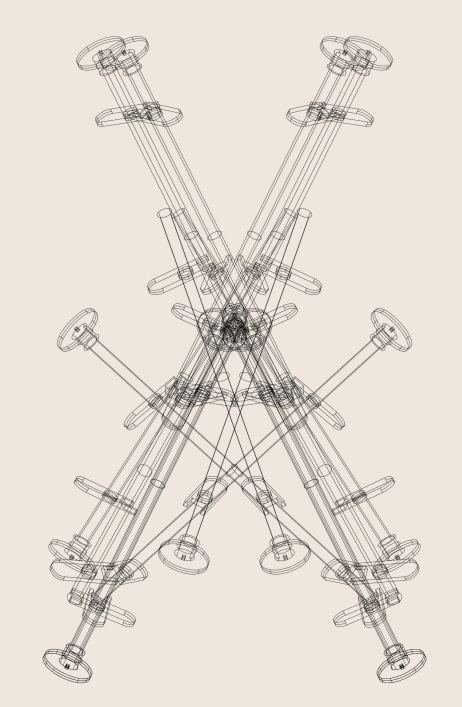
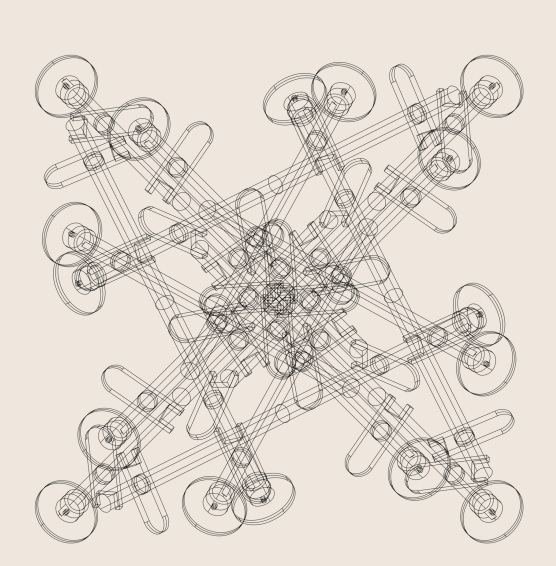
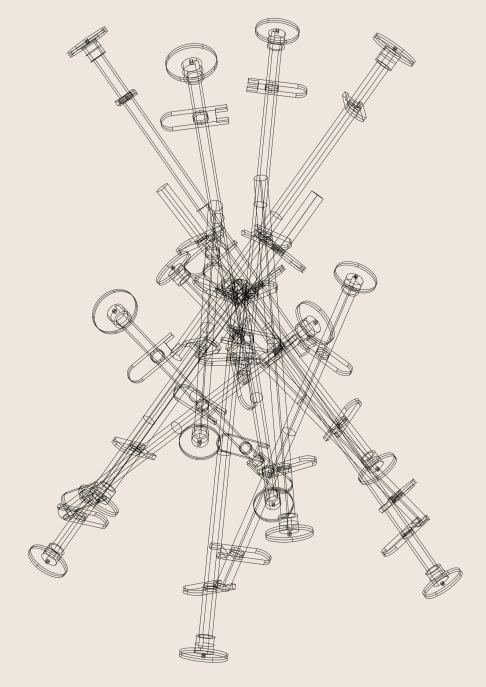
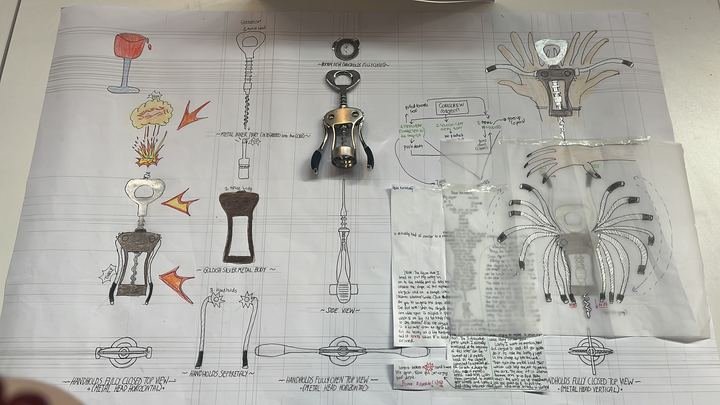
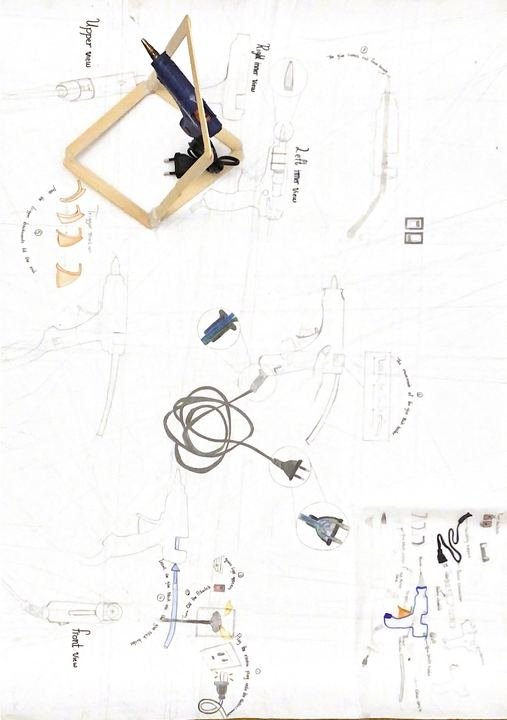
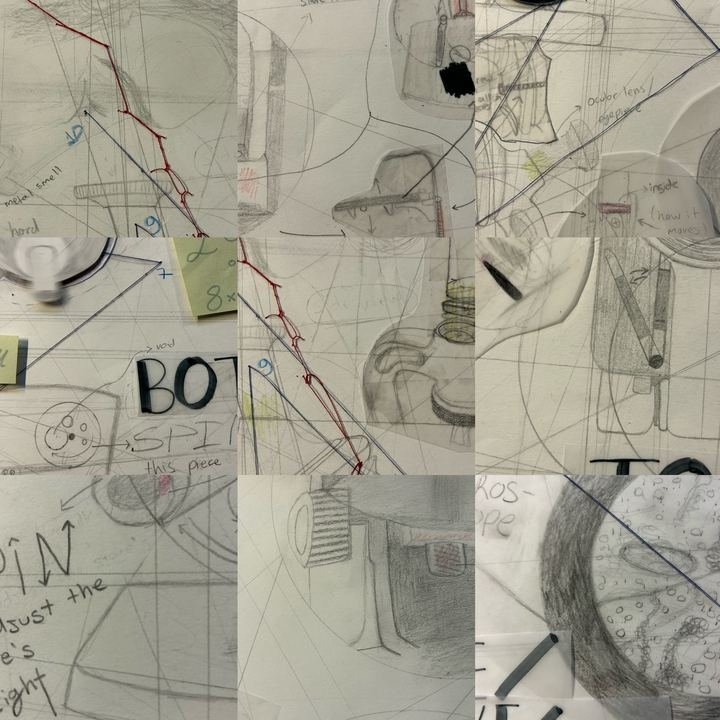
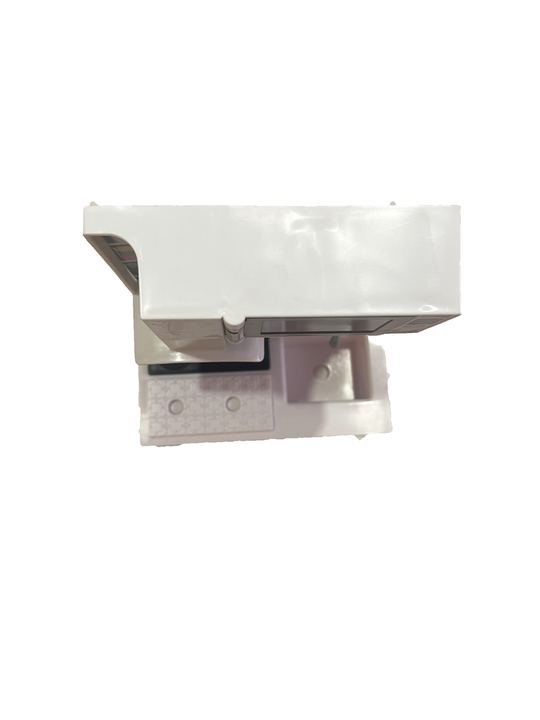
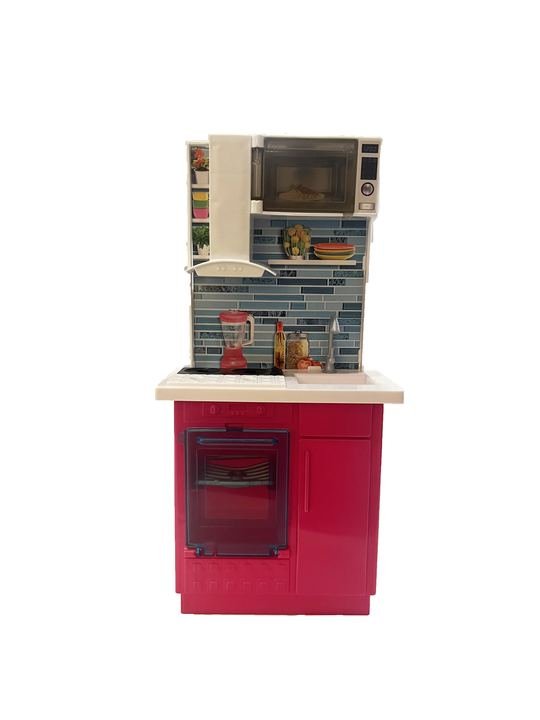
- Forensic reconstruction: students set out the object’s “field of objecthood” in a single analytical reconstruction; the field of forces the object carries and shapes, and its map of relations, were made visible. How an object can define the void around it and how it can organise a sequence of movement from 3D to 2D (and vice versa) were also discussed.
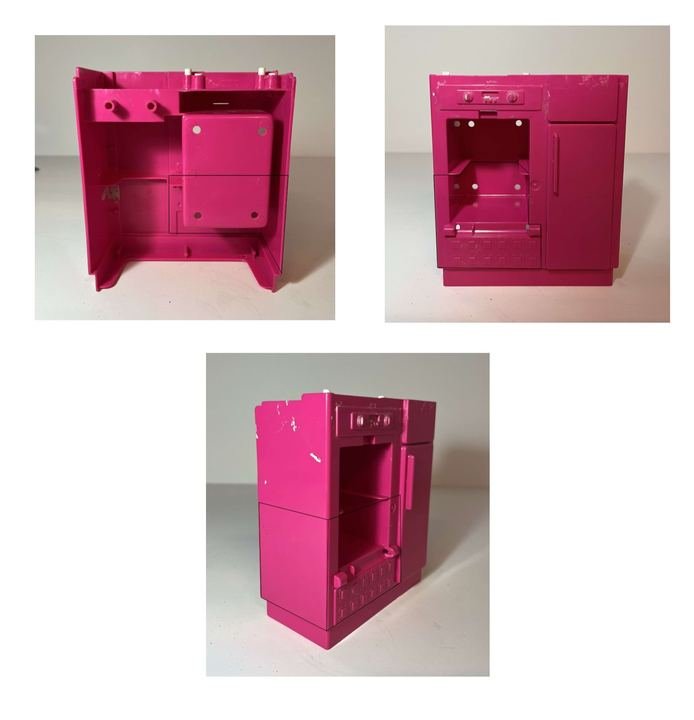
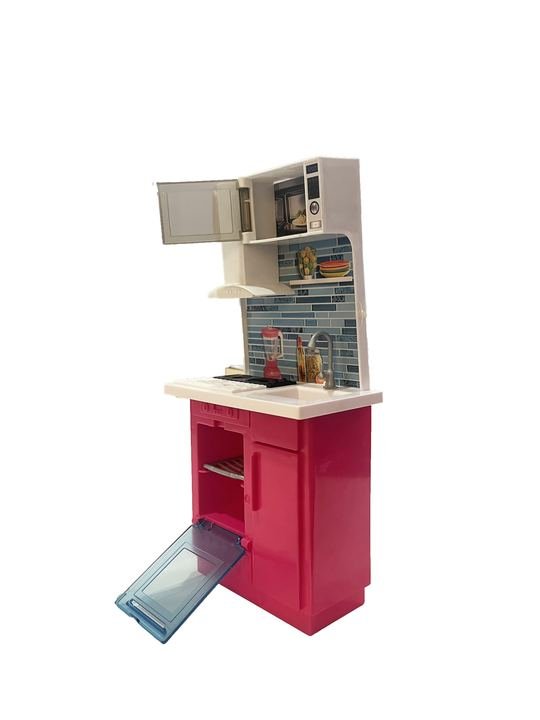
- Submission: a photograph of the object and analogue and digital versions of the forensic reconstruction.
student works 11
Ayda Parlakdağ

Batoul Al Zein


Berjin Sida Gün


Cansu Kahveci


Elham Ghazi

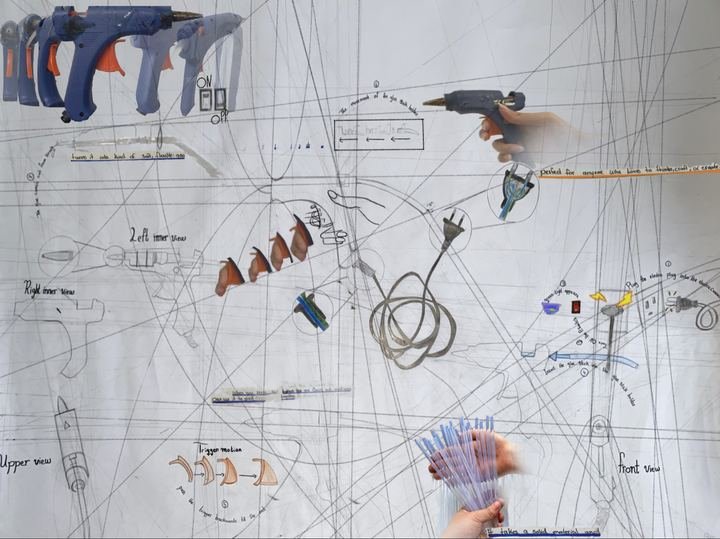
İremnur Tekdemir


Kenan Yavuztürk
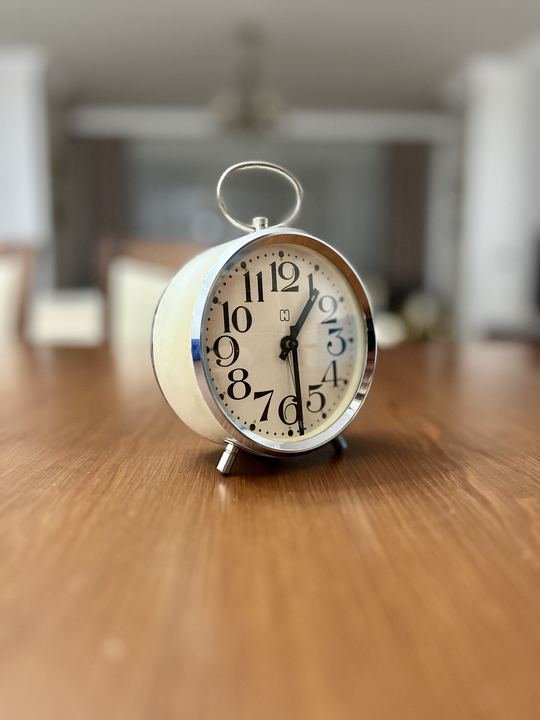
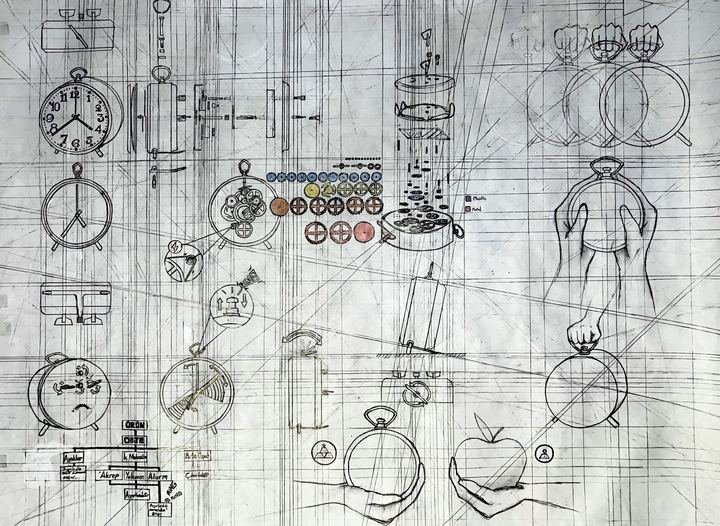

Khadeejah Suleyman


Nehir Bay


Nisa Nur Horozoğlu


Selme Abdalla Alsharif


series 2: from the archaeology of the part to the pattern
In the second series, which began with “Archaeologies of the Part” and ended with “From the Seed to the Pattern”, students worked in pairs on the same objects.
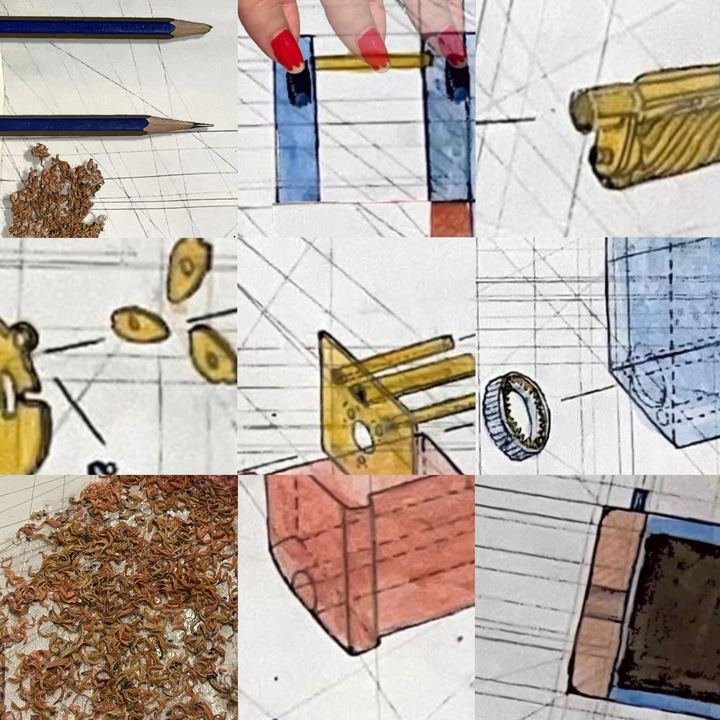
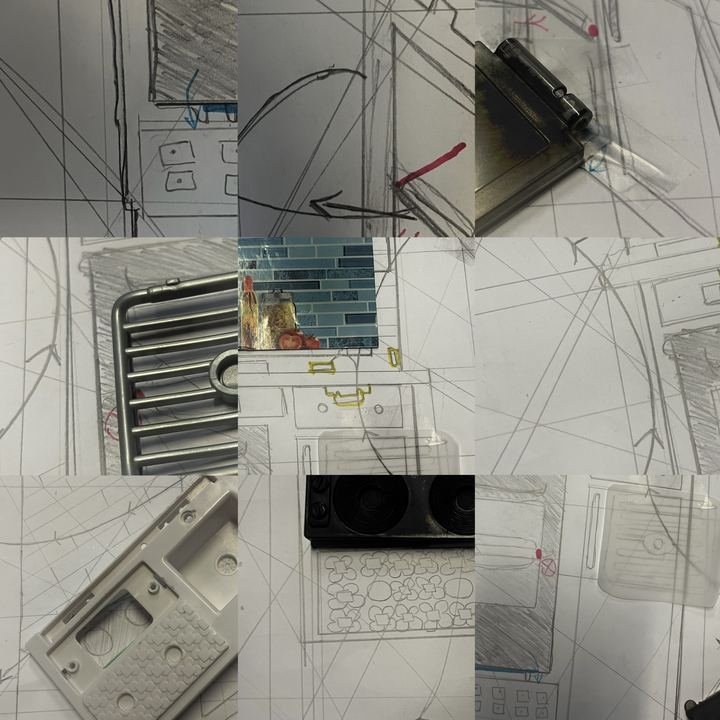
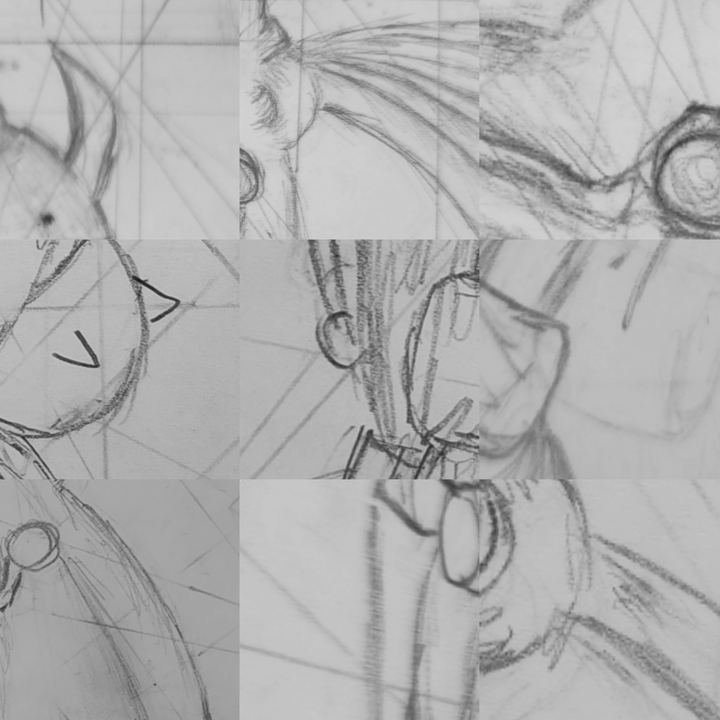
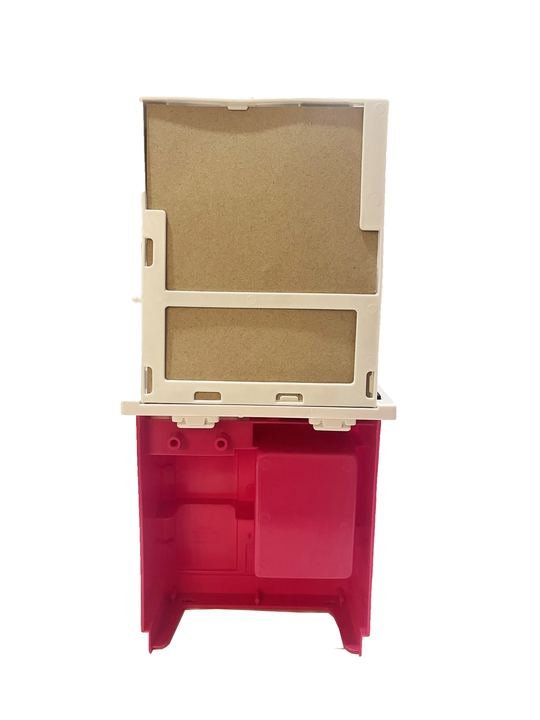
- Archaeologies of the part: the object was dismantled down to its smallest separable parts; its structural relationships and joining principles were examined. In parallel, close-up photographs of the object were taken.
- A new whole: all the images obtained were organised in a nine-square layout expected to form a new whole of its own.
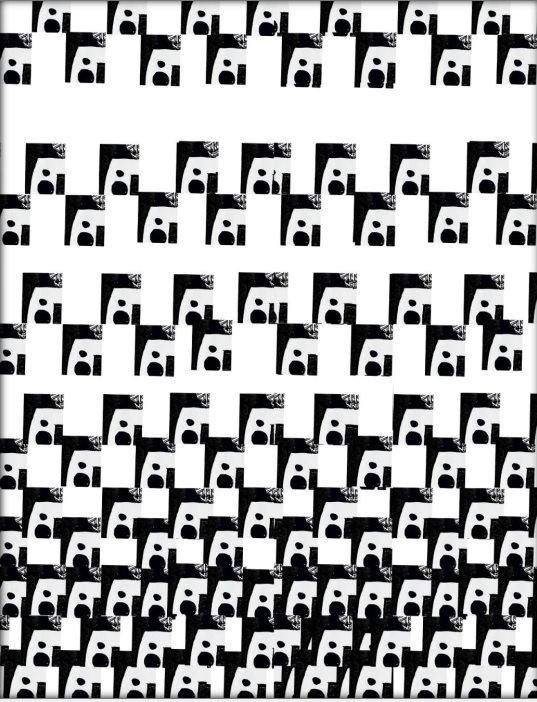
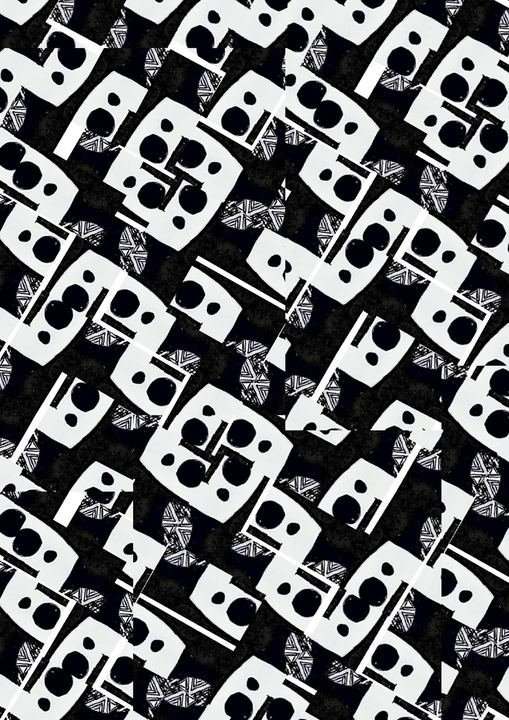
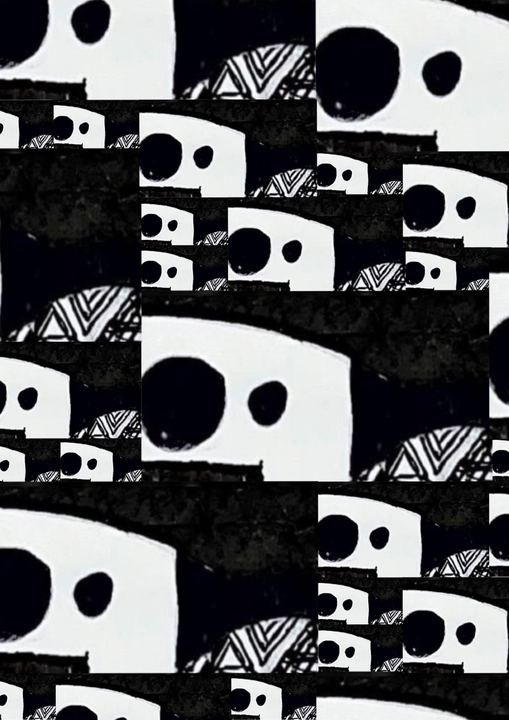
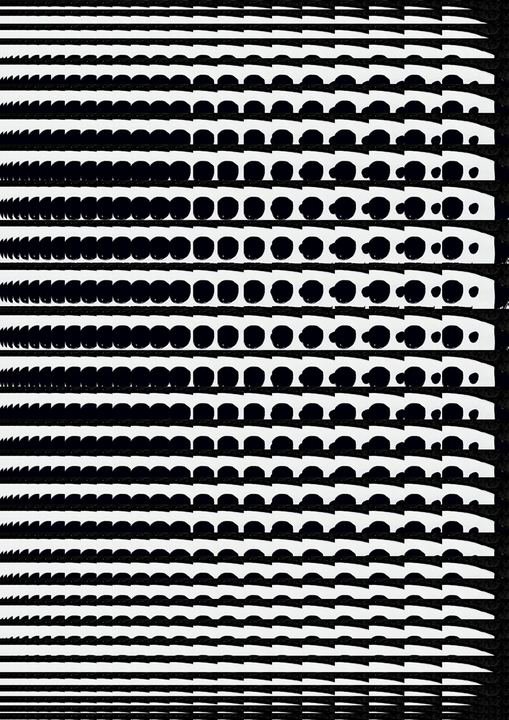
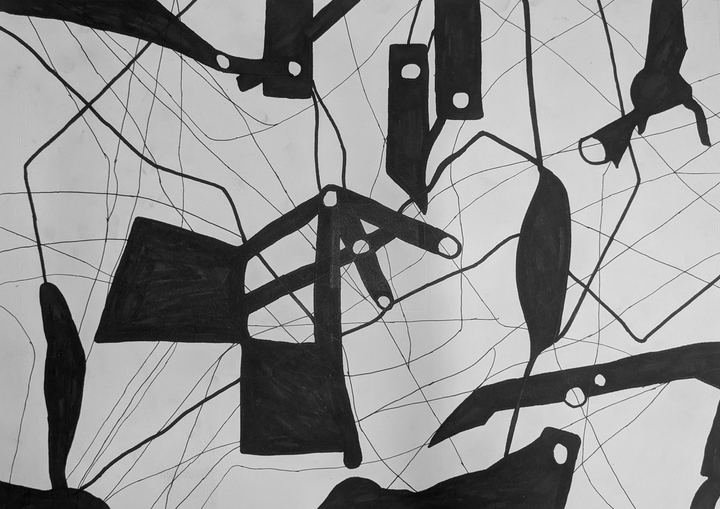
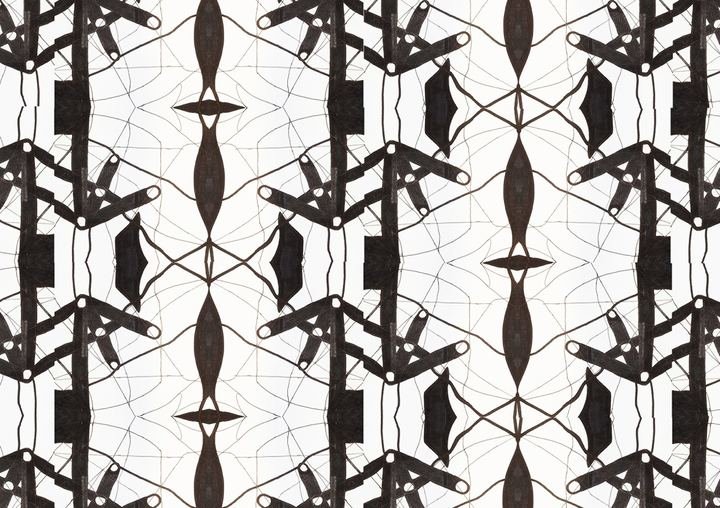
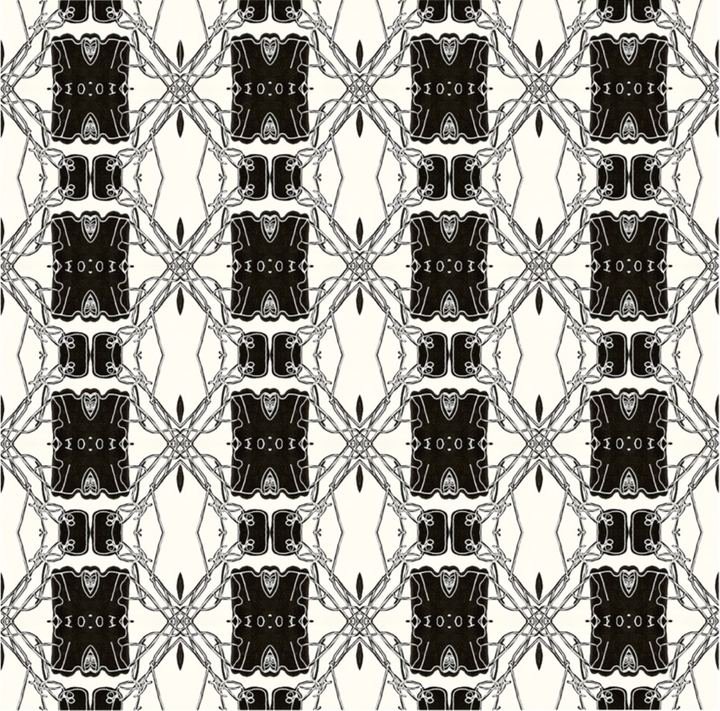
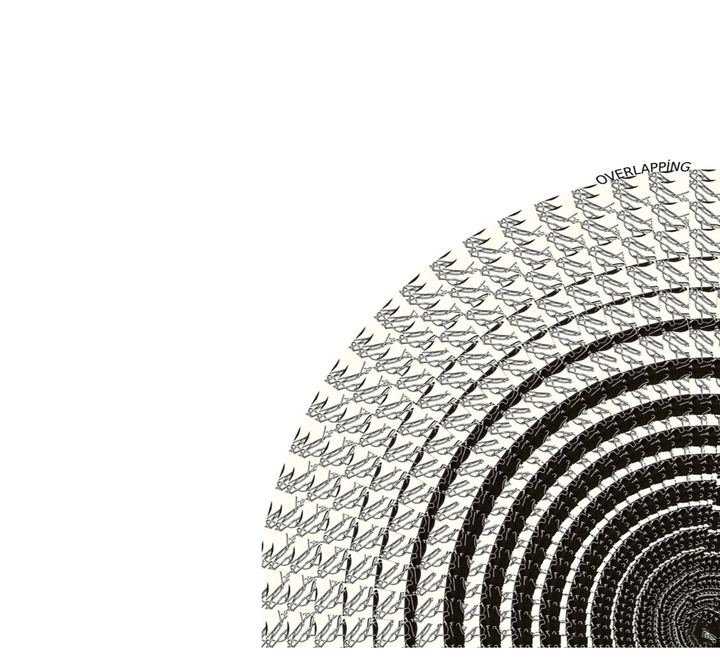
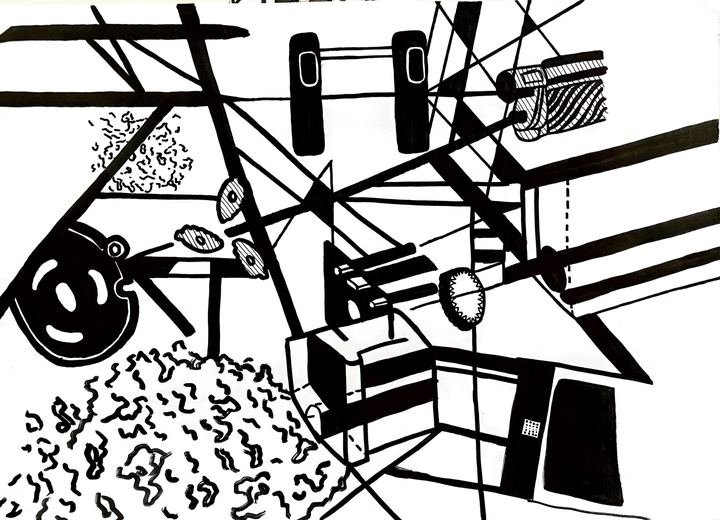
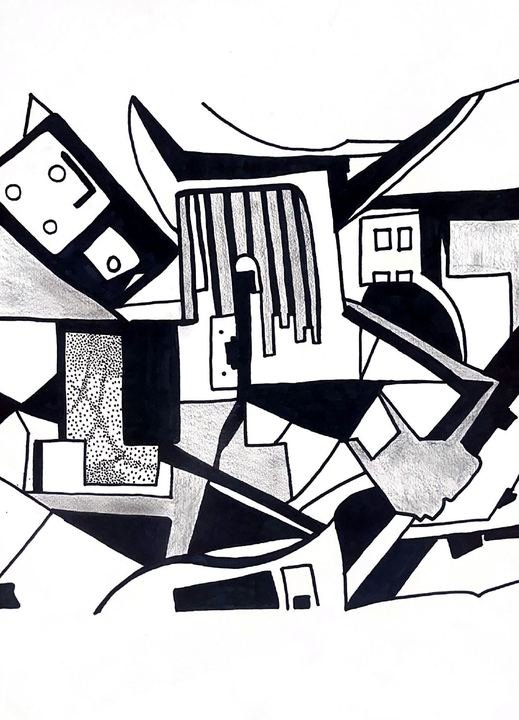
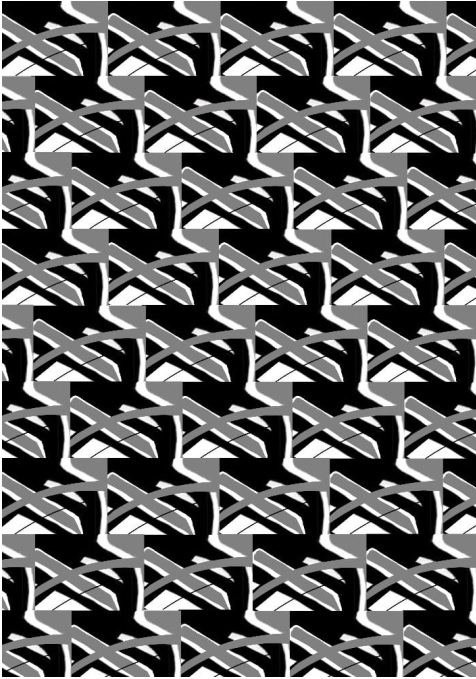
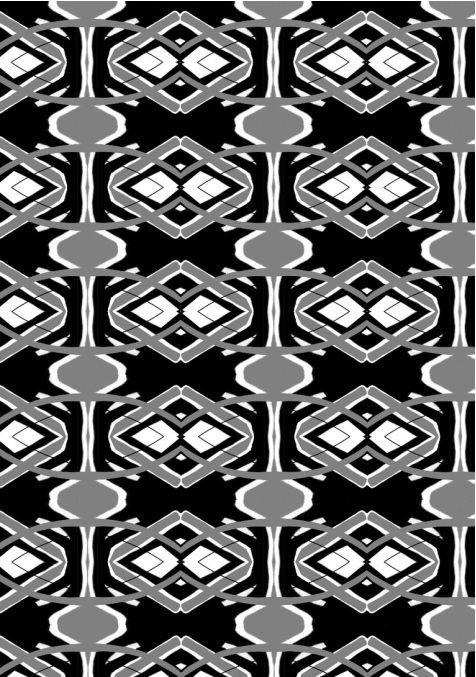
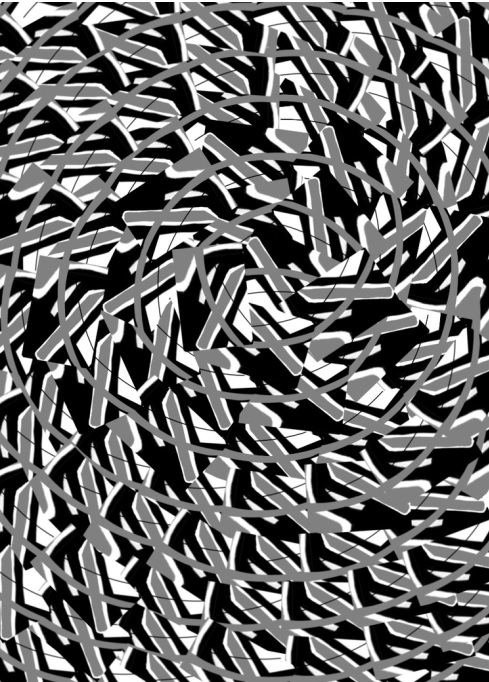
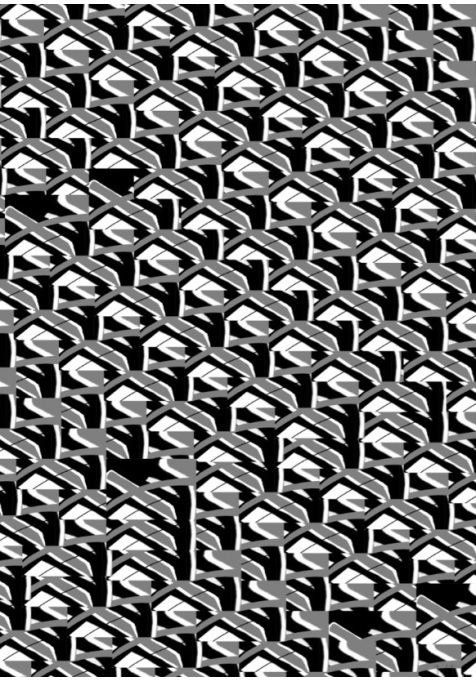
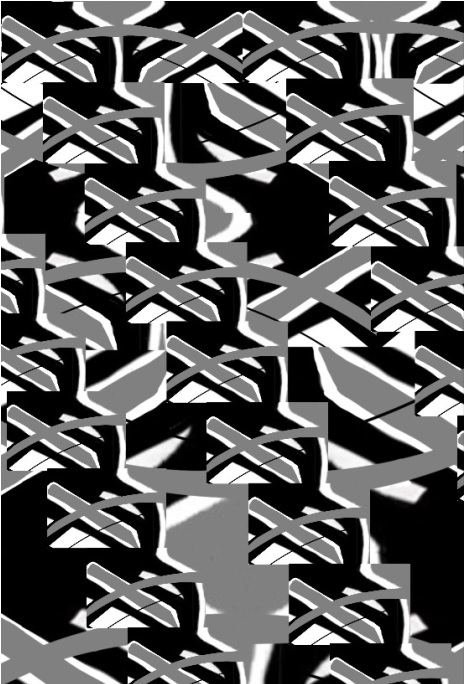
- From the whole to the seed: the new layout was abstracted into black-and-white geometric elements and forms; it arrived at a single unit, the seed, carrying the most characteristic dynamics of the composition as well as of the object and the forensic reconstruction.
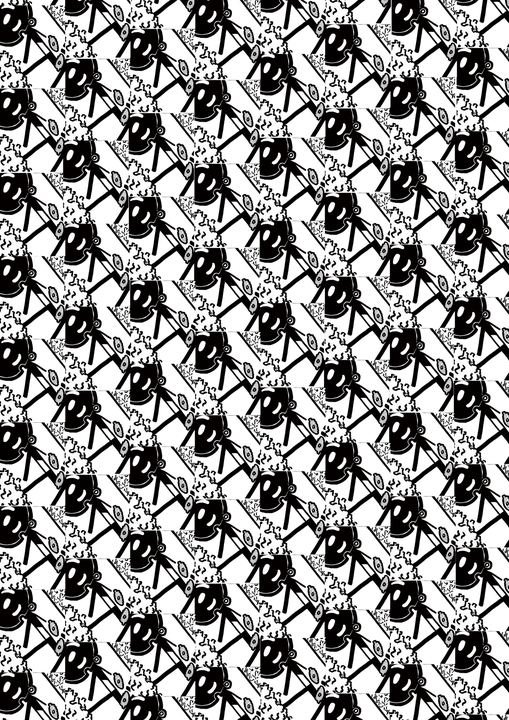
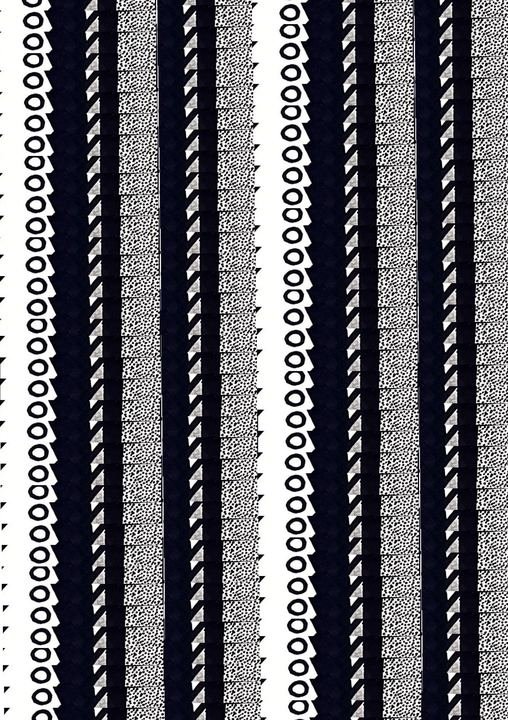
- Pattern studies: through Euclidean transformations such as translation, reflection, rotation and scaling, and through overlap, the seed became a system for generating and regenerating an entirely new 2D pattern (pattern generation / regeneration).
student works 11
Ahmet Yiğit Özan, Kenan Yavuztürk
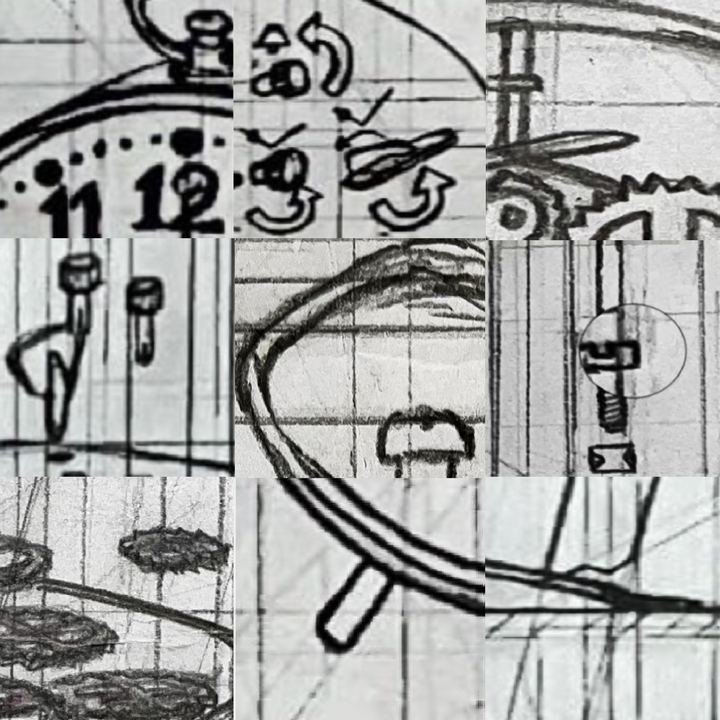


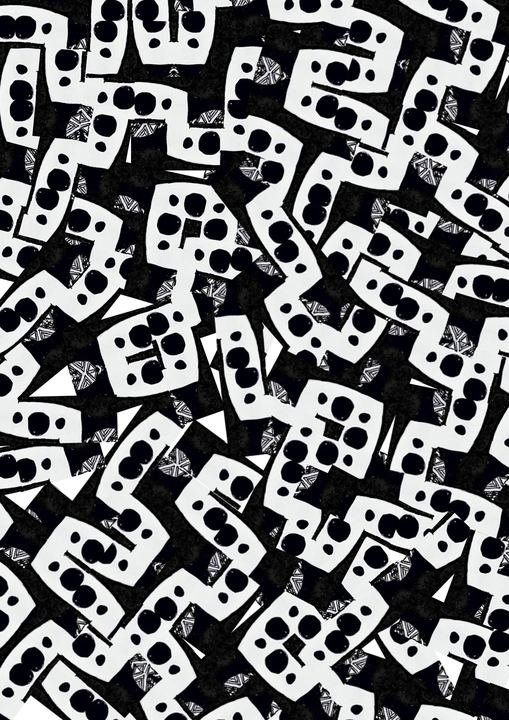

Ayda Parlakdağ, Kerem


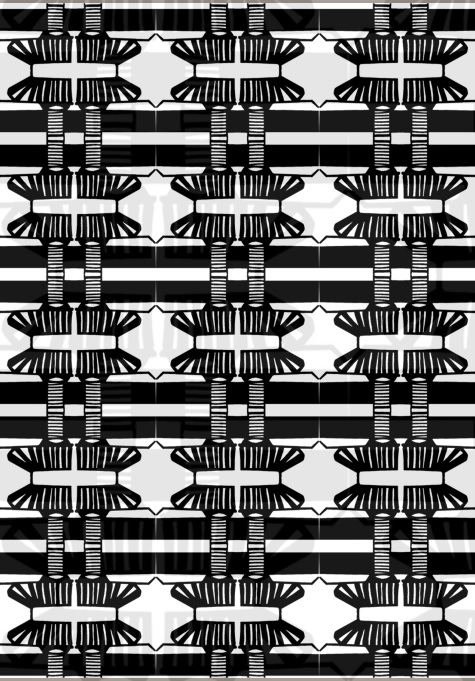


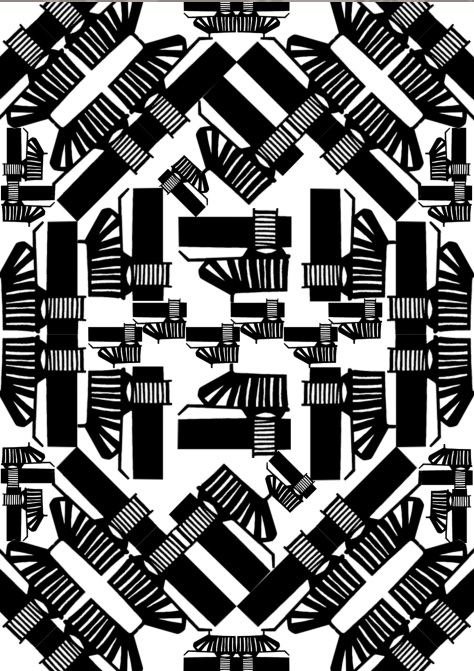
Batoul Al Zein, Khadeejah Suleyman


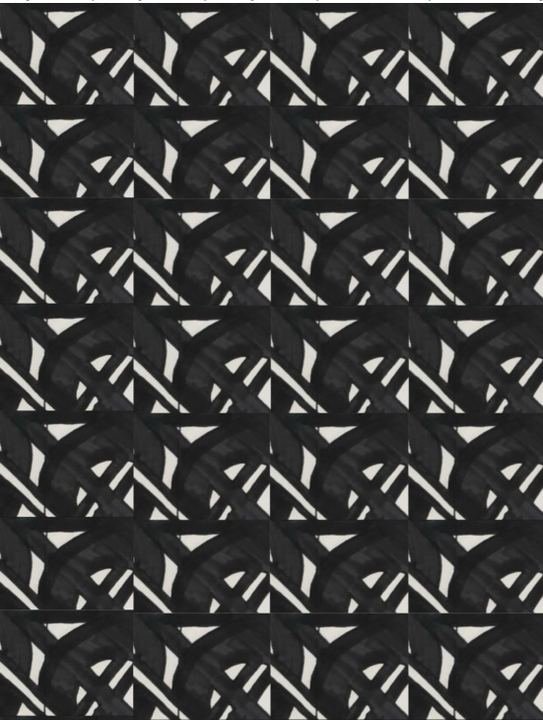


Berjin Sida Gün, Sarp Akın



Cansu Kahveci, Dide Eda Şen





Ceren, Nehir Bay


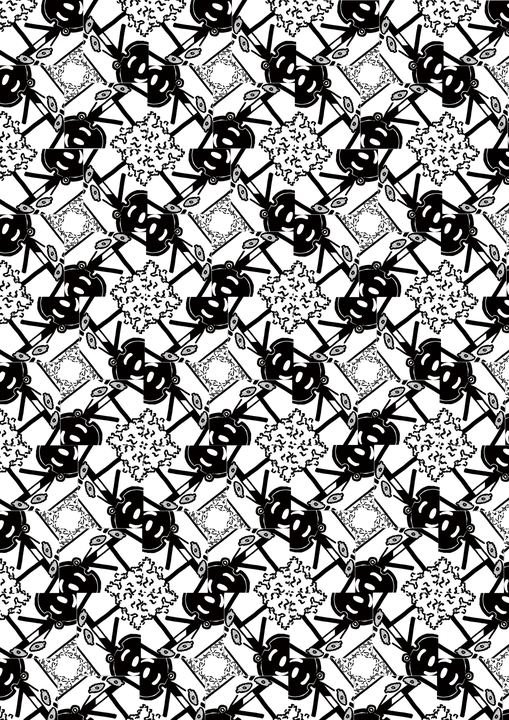
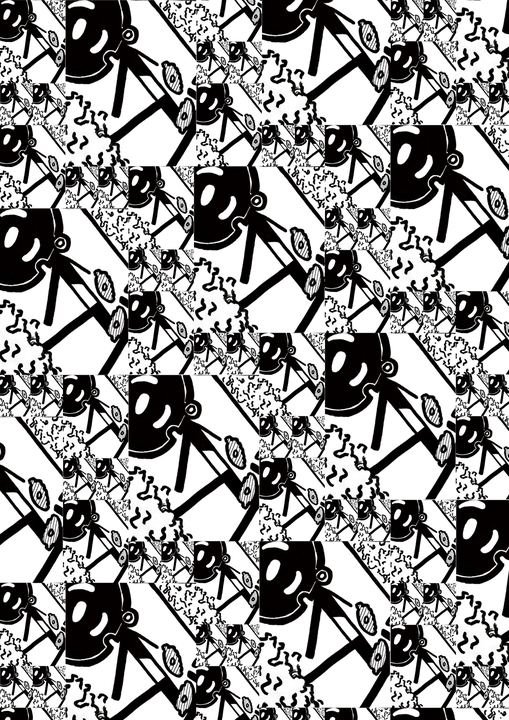


Elham Ghazi, Lidya


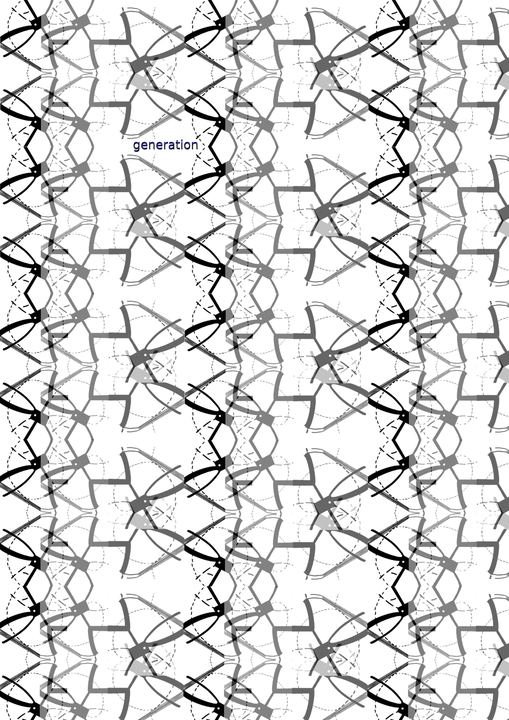

İdal Şit, Zeynep Ece Şeker


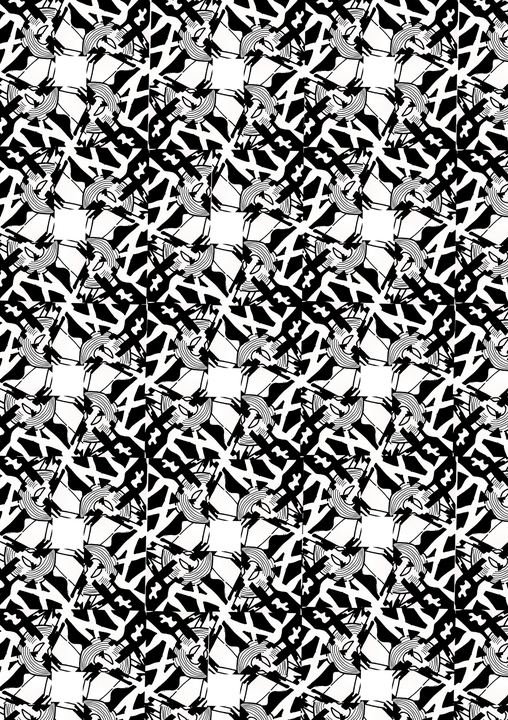


İremnur Tekdemir, Selin Yağmur


Irmak Darıdereli, Nisa Nur Horozoğlu


Kaan, Selme Abdalla Alsharif



series 3: from relief to three-dimensional pattern
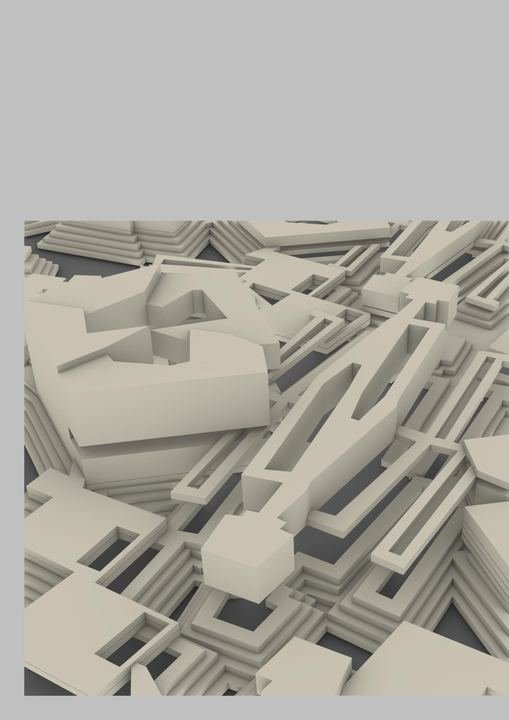
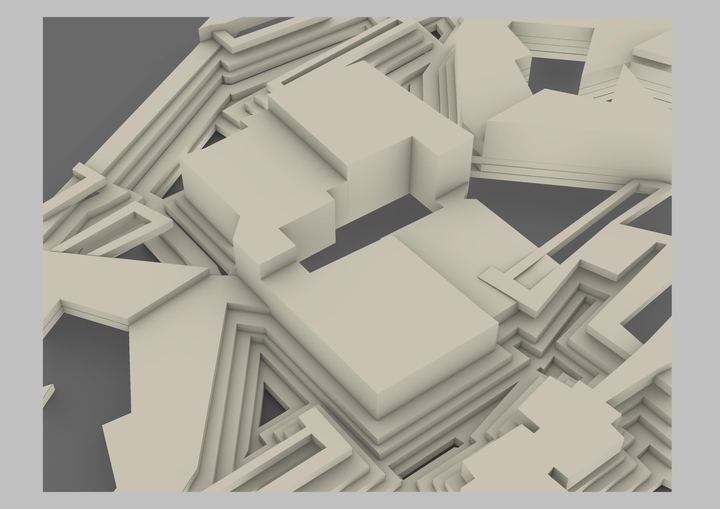
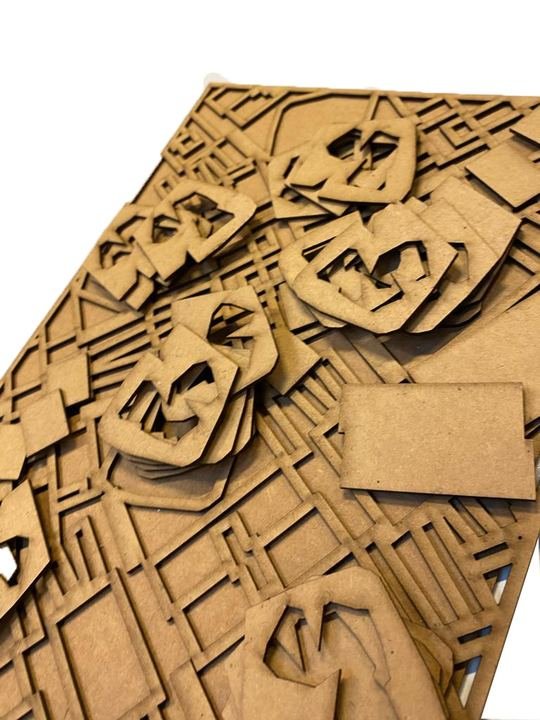
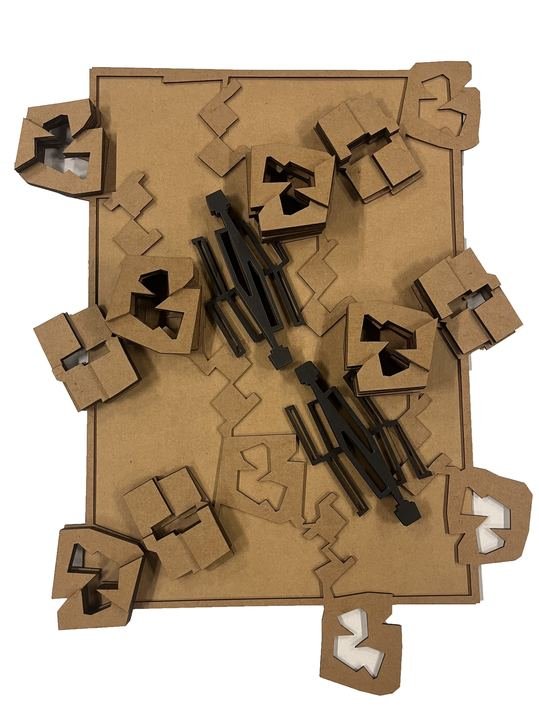
In the final series, which began with “Projective Transformations” and ended with “A 3D Pattern”, students worked in groups of three to four.
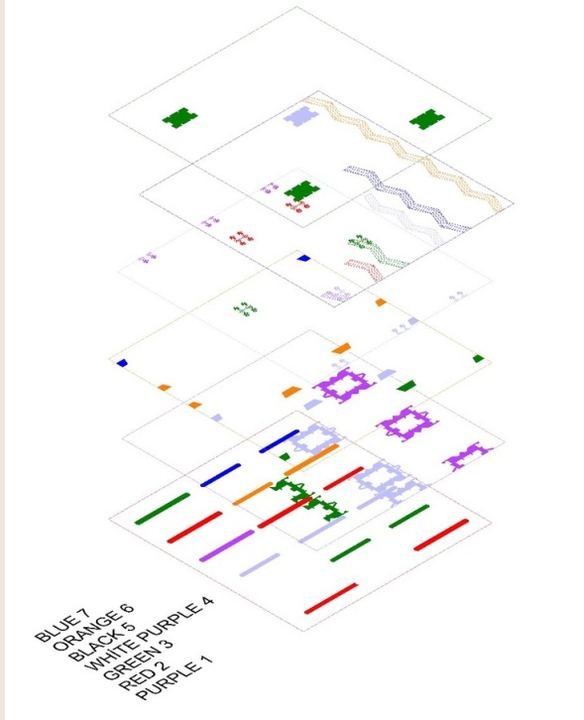
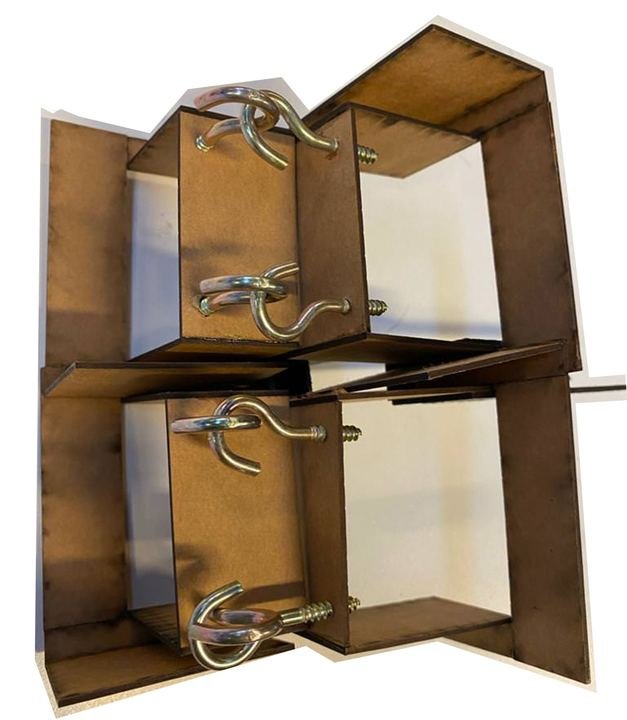
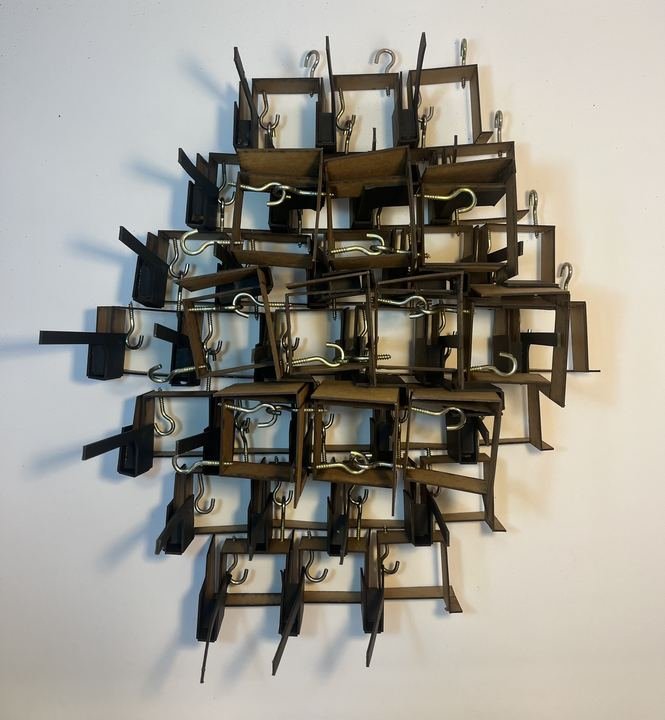
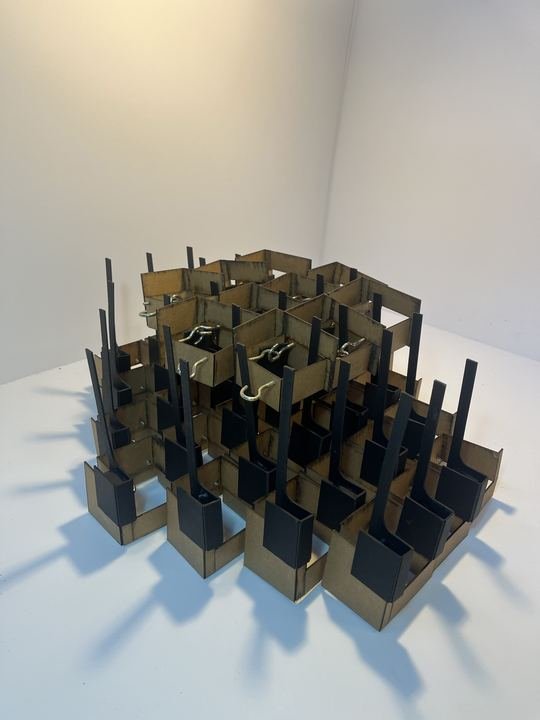
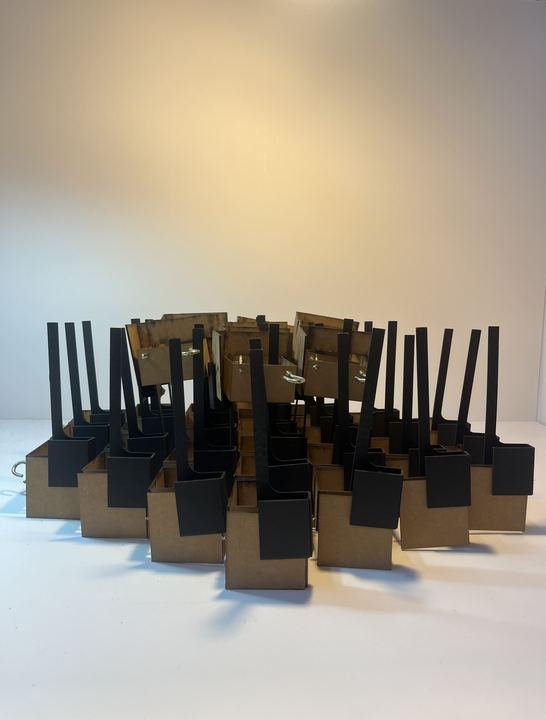
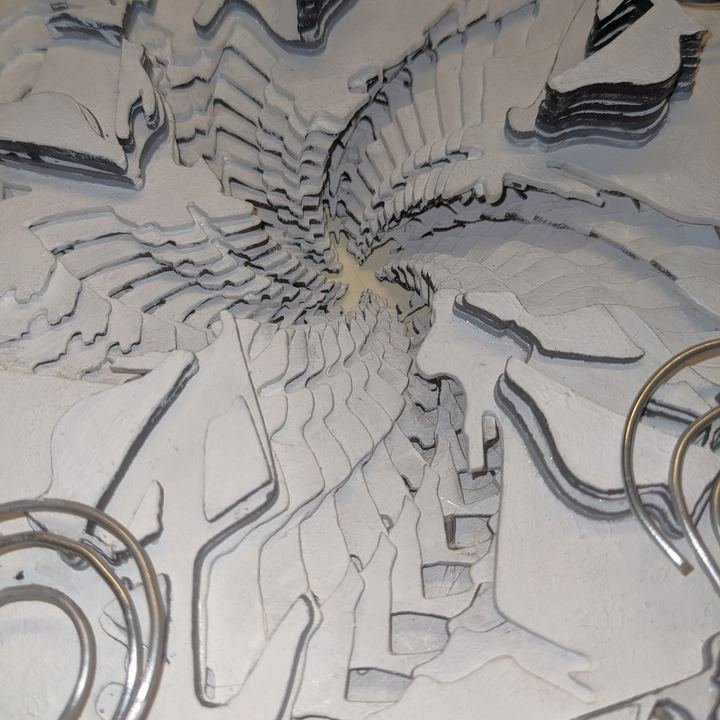
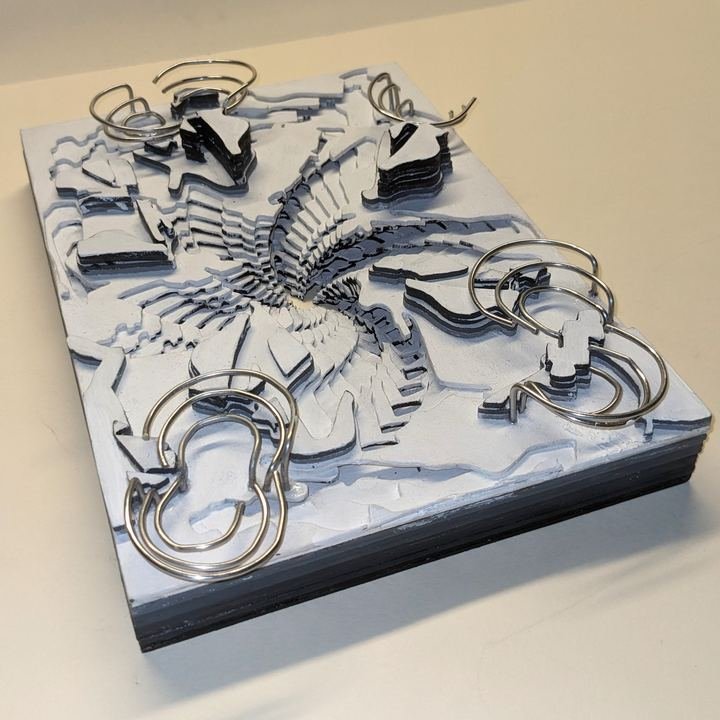
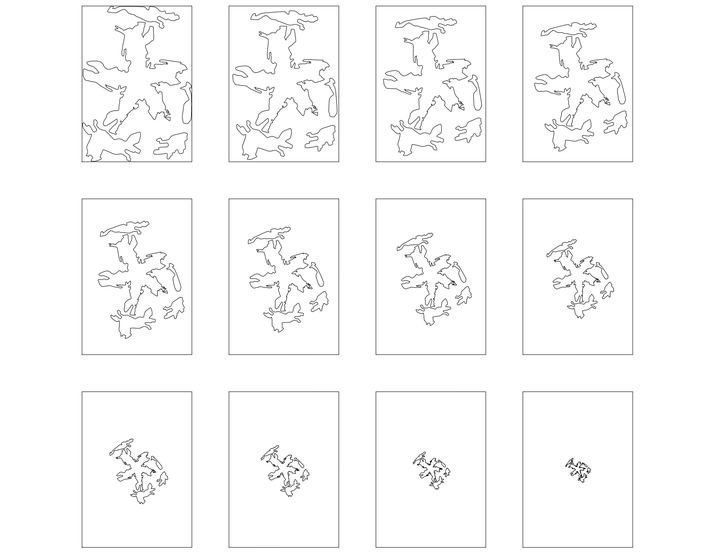
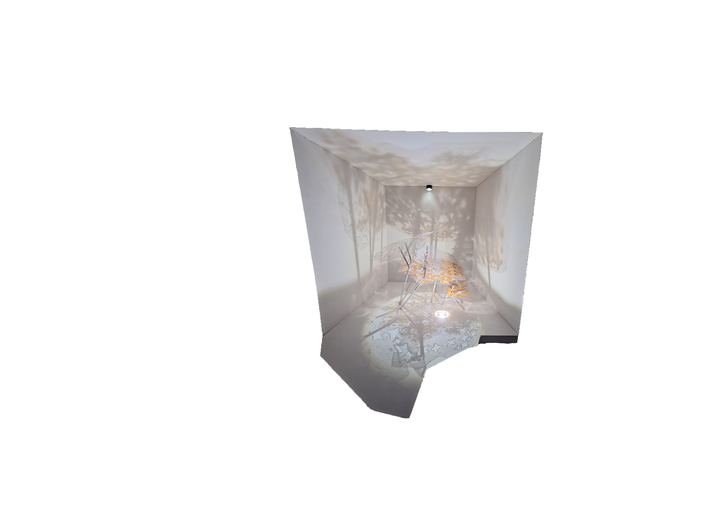
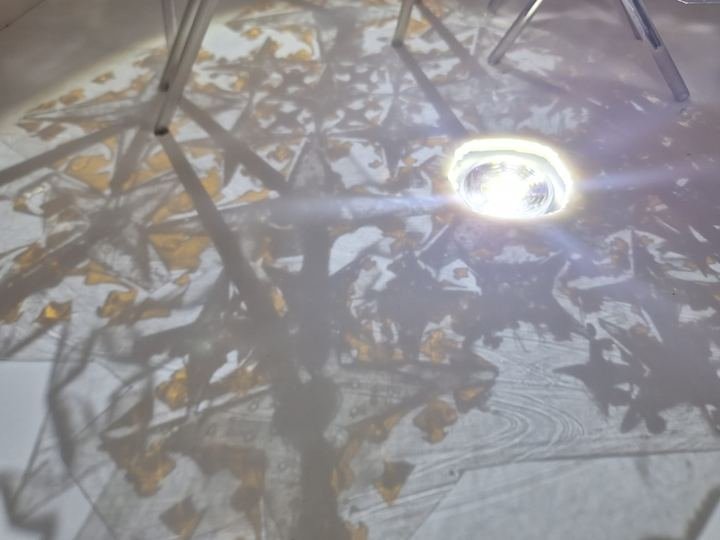
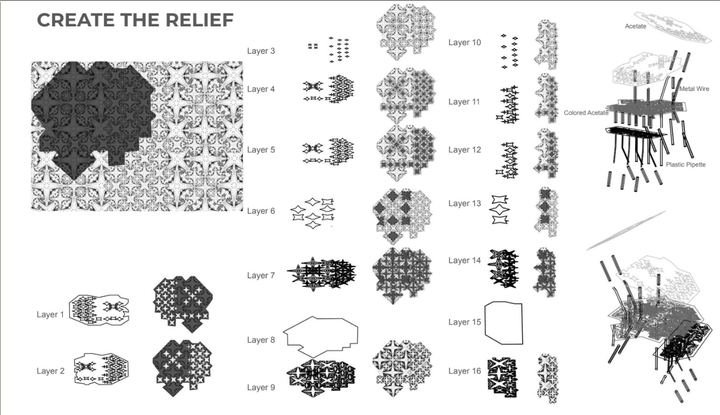
- Relief: the pattern arrived at in the previous series was turned into a bas-relief; the projections of the relief in space were diversified with additional parameters such as thickness, distance, material, texture, number, degree of transparency and colour.
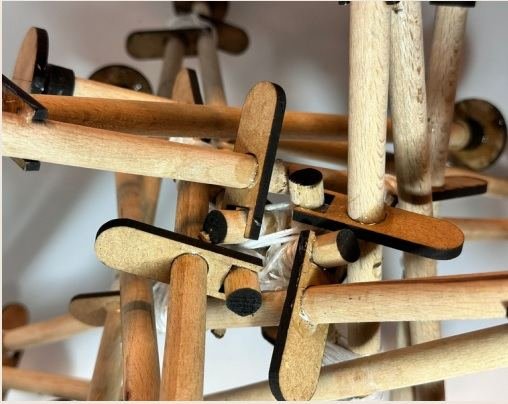
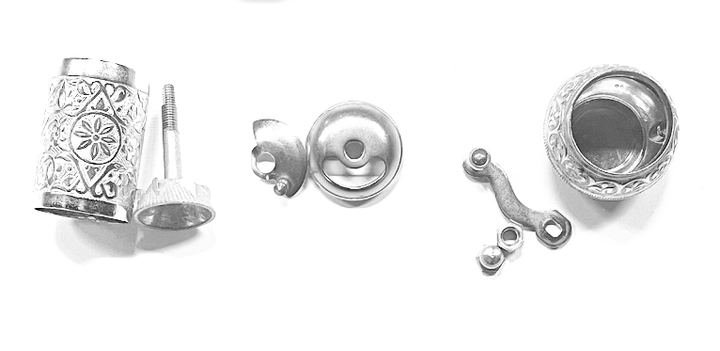
- Part objects: one of the object’s most characteristic parts was isolated and multiplied in the object’s own material or in other materials.
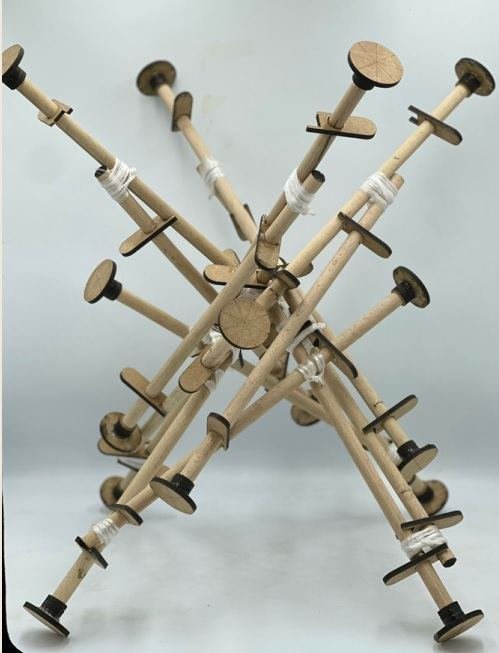
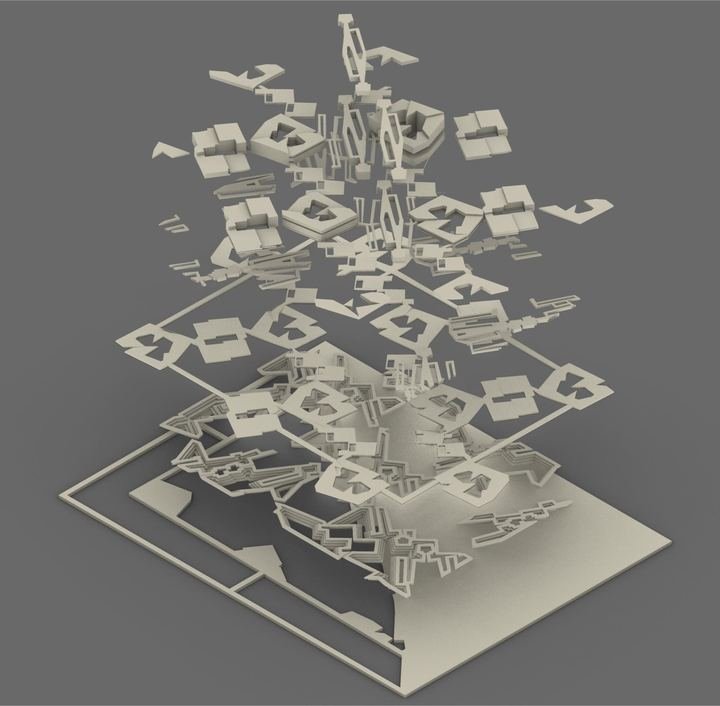
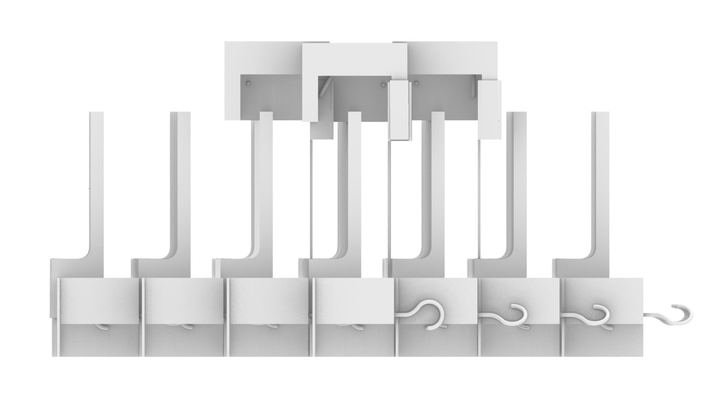
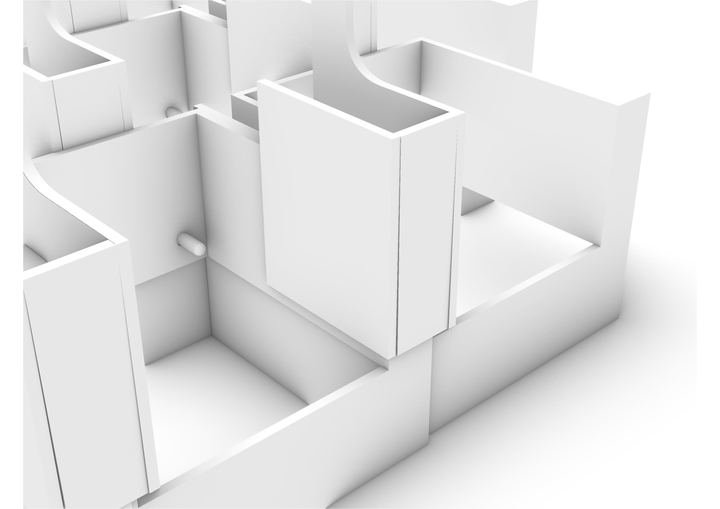
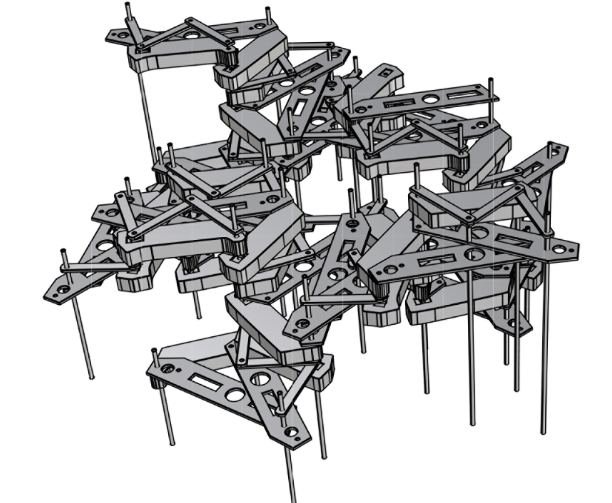
- Structural component: the part objects were recombined in different ways to form a multi-part, open-ended structural component with its own geometry, parameters and construction logic.
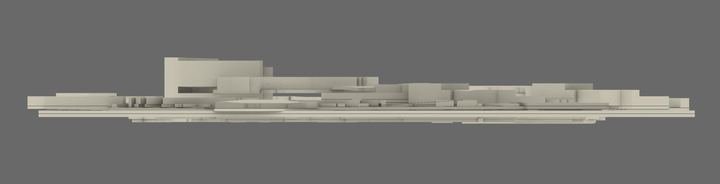
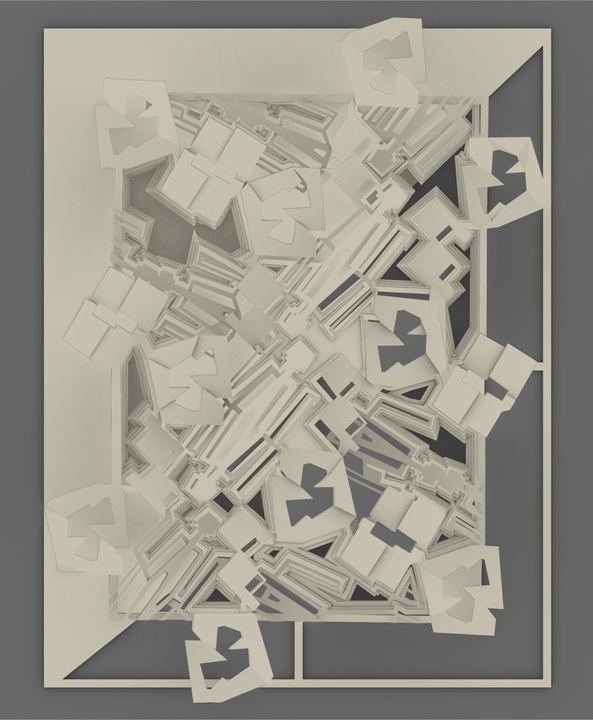
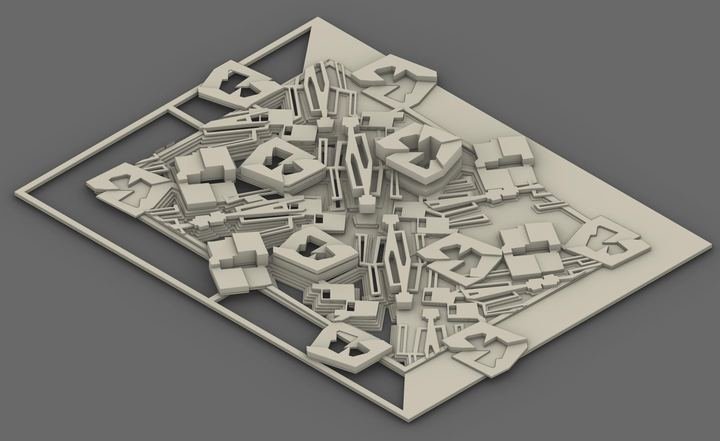
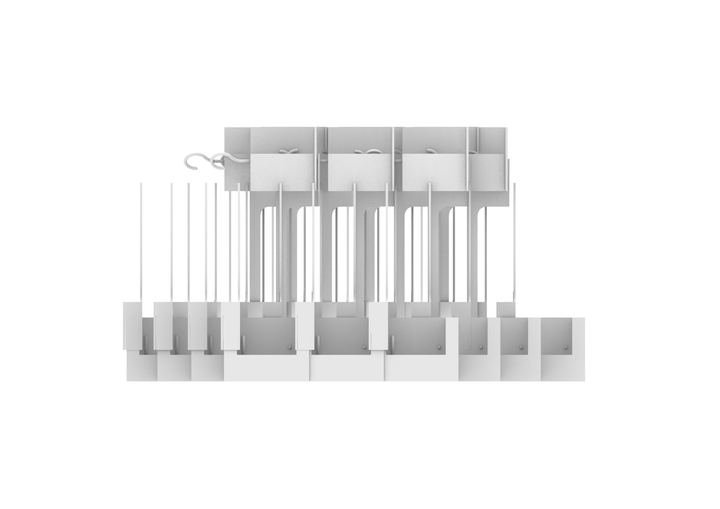
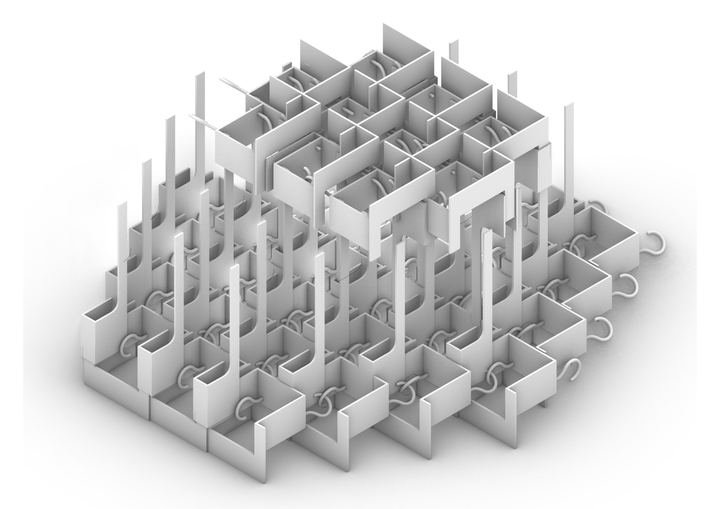
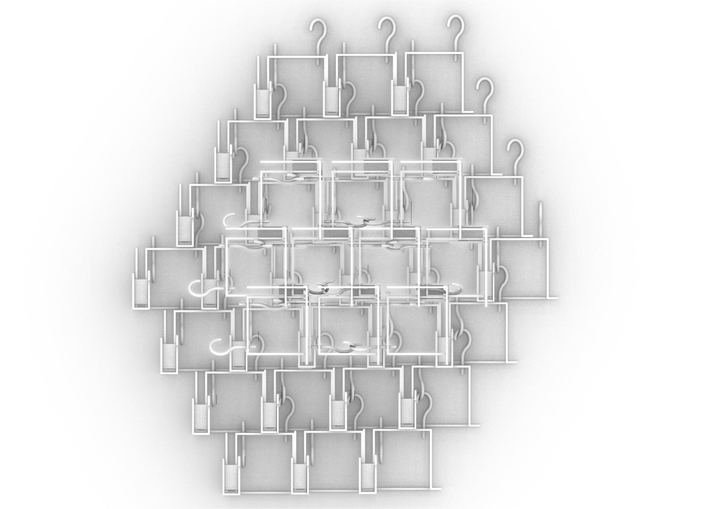
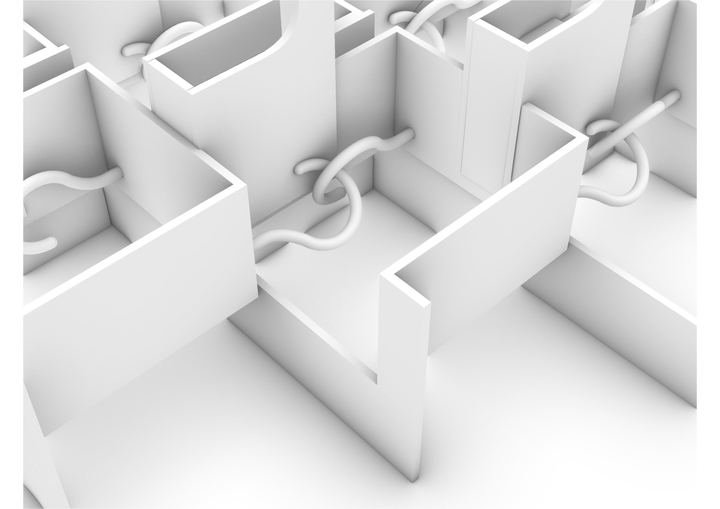
- 3D pattern: the component was repeated along horizontal, vertical and transverse axes through various isometric operations and turned into a self-supporting 3D pattern.
- Submission: digital models of the relief and the 3D pattern, photographs of the physical models, and diagrams.
student works 6
Ahmet Yiğit Özan, Irmak Darıdereli, Kenan Yavuztürk and Nisa Nur Horozoğlu
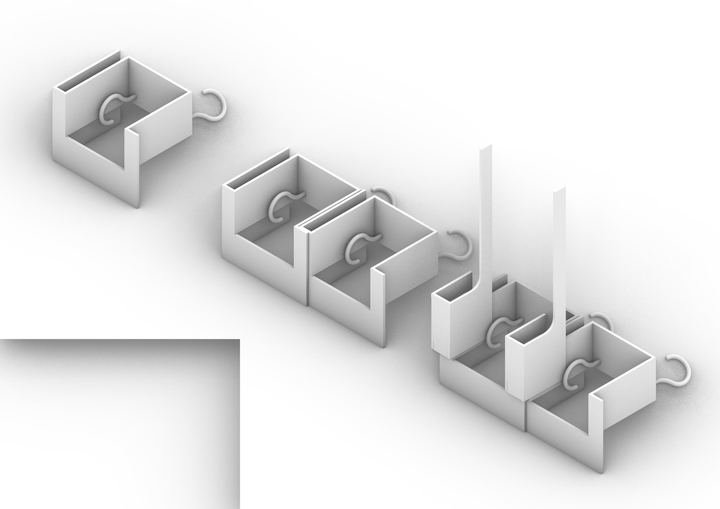
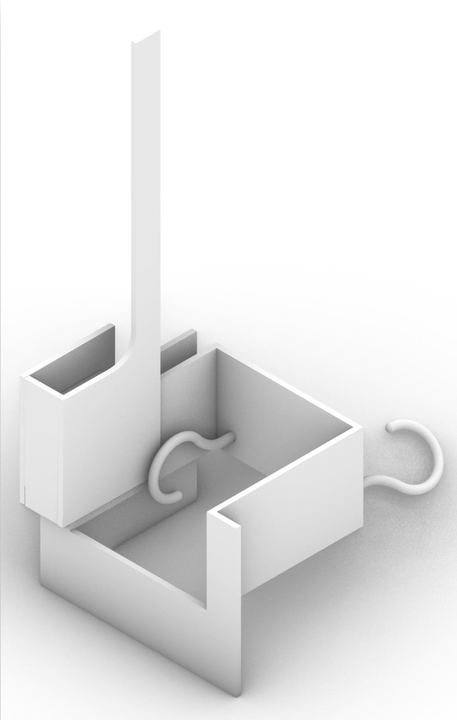
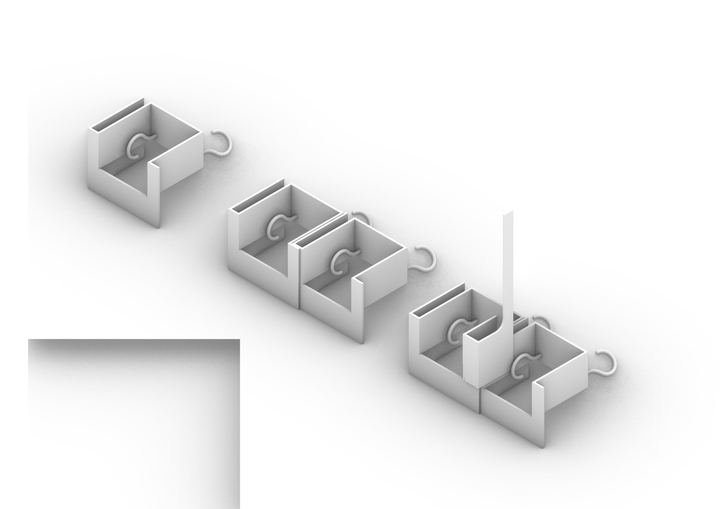
Alp, Ata, Nehir Bay
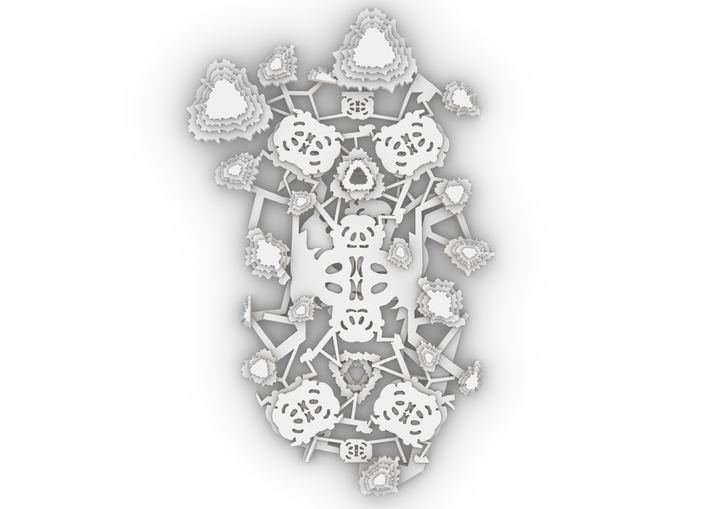


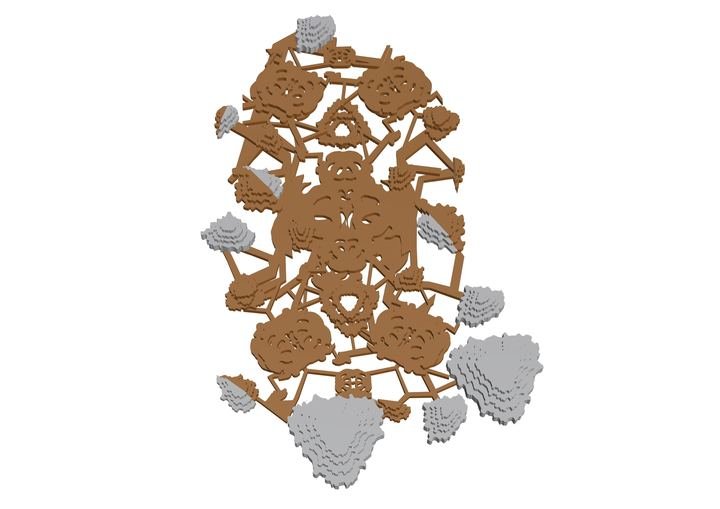

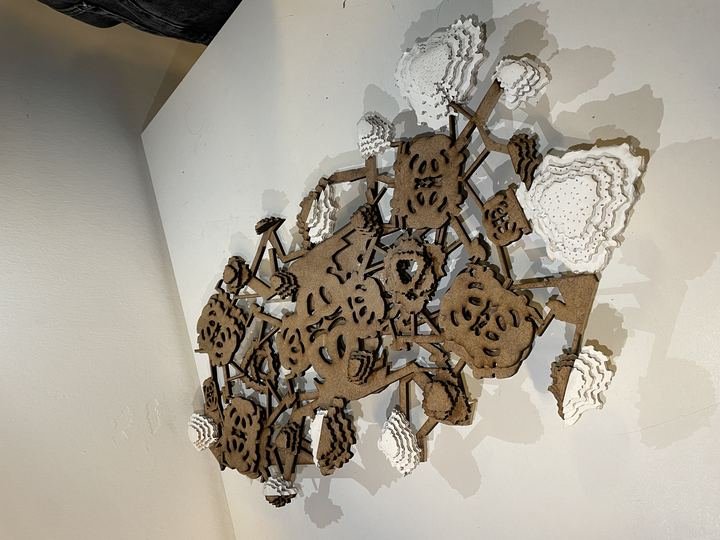

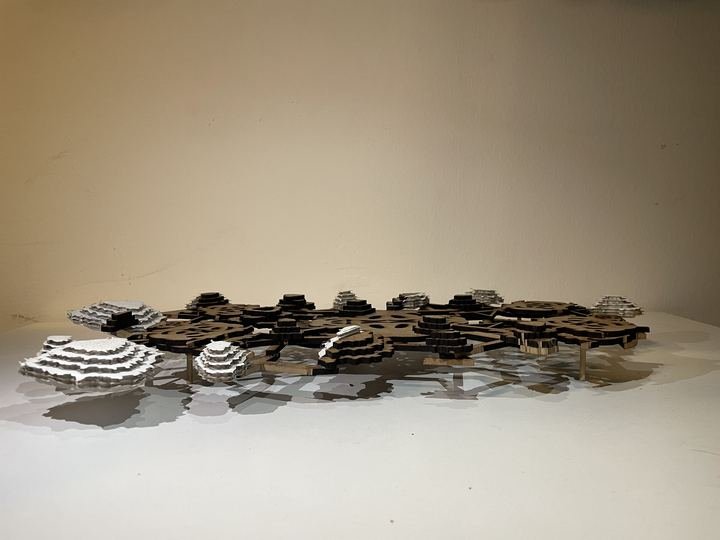


Berjin Sida Gün, İdal Şit, Ömer Ozan Yiğit, Zeynep Ece Şeker
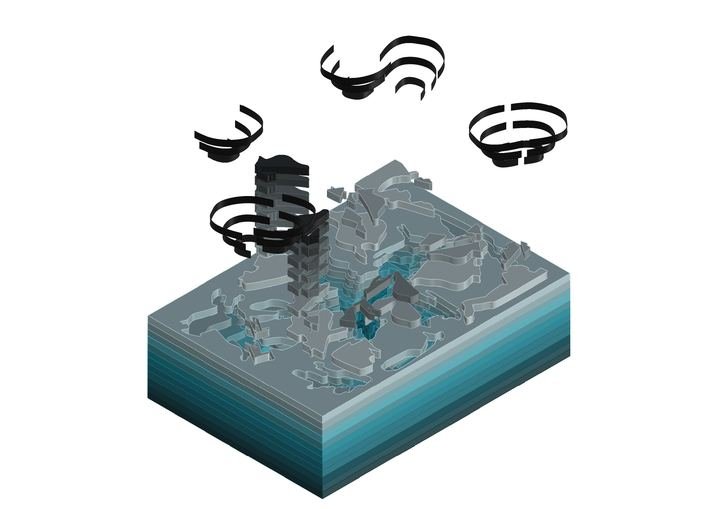







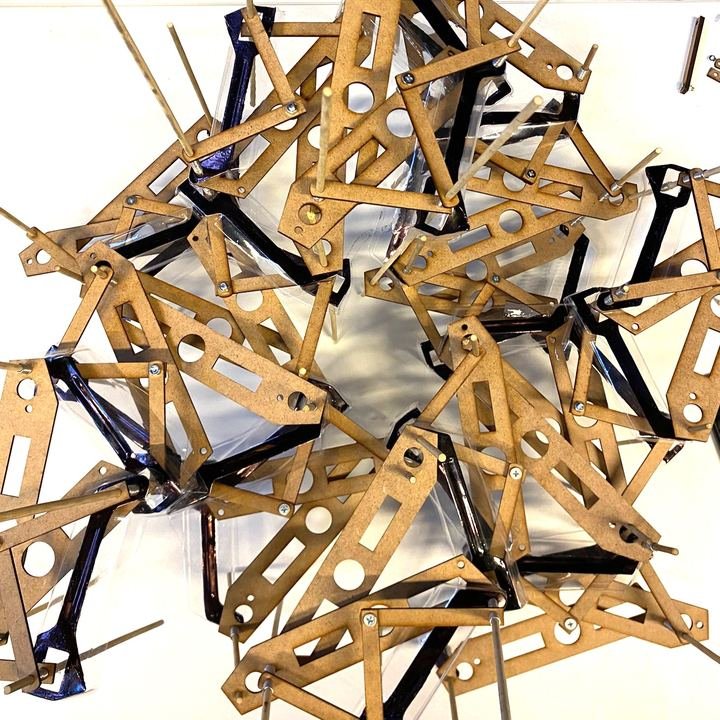


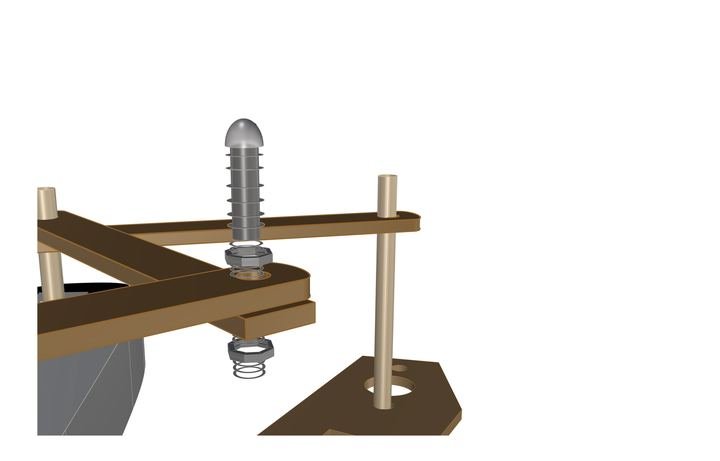
Cansu Kahveci, Dide Eda Şen, İremnur Tekdemir, Selin Yağmur


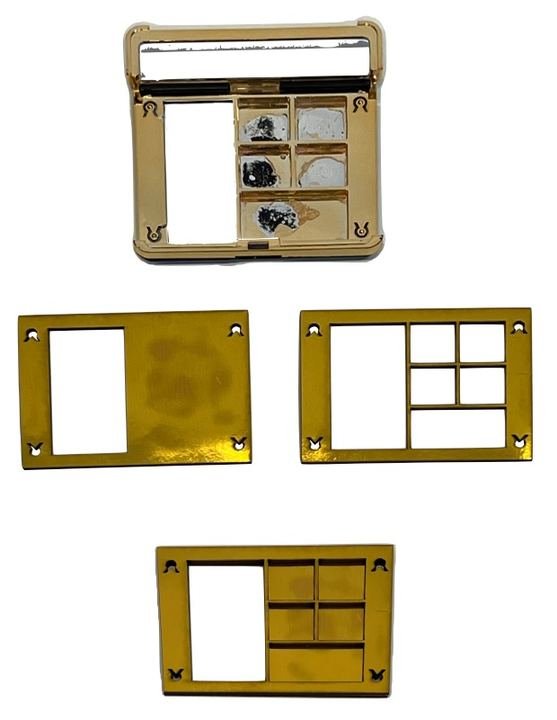


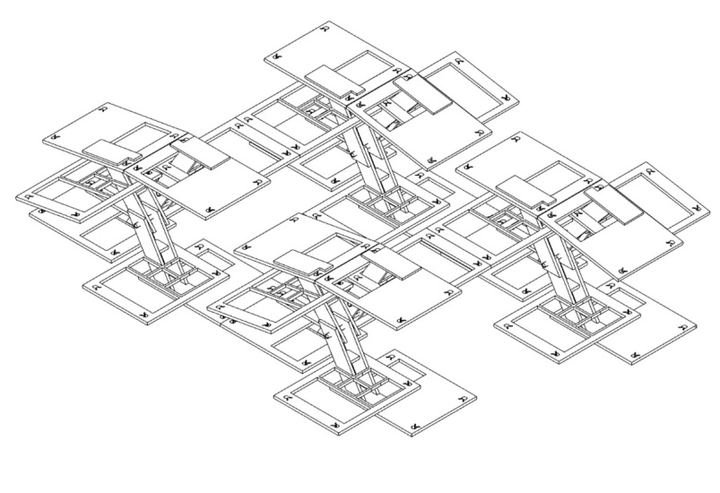


Ecem Nurgül Altuğ, Rozhan, Yeşim Gülver





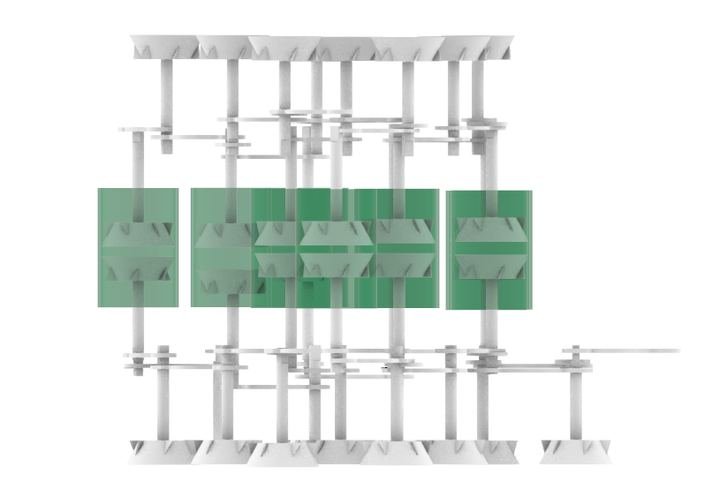


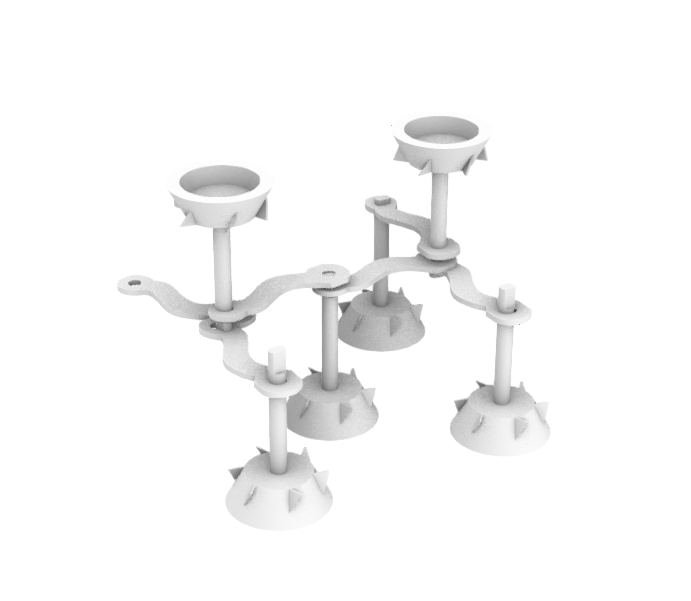


Mohammed, Yasmina, Yusuf