F111 · Architectural Design I
MİM 121 Architectural Design I
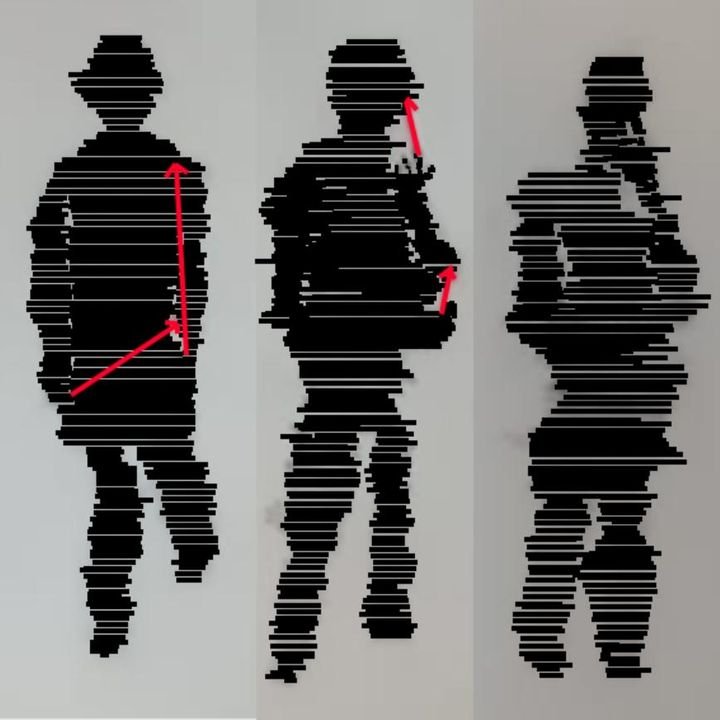
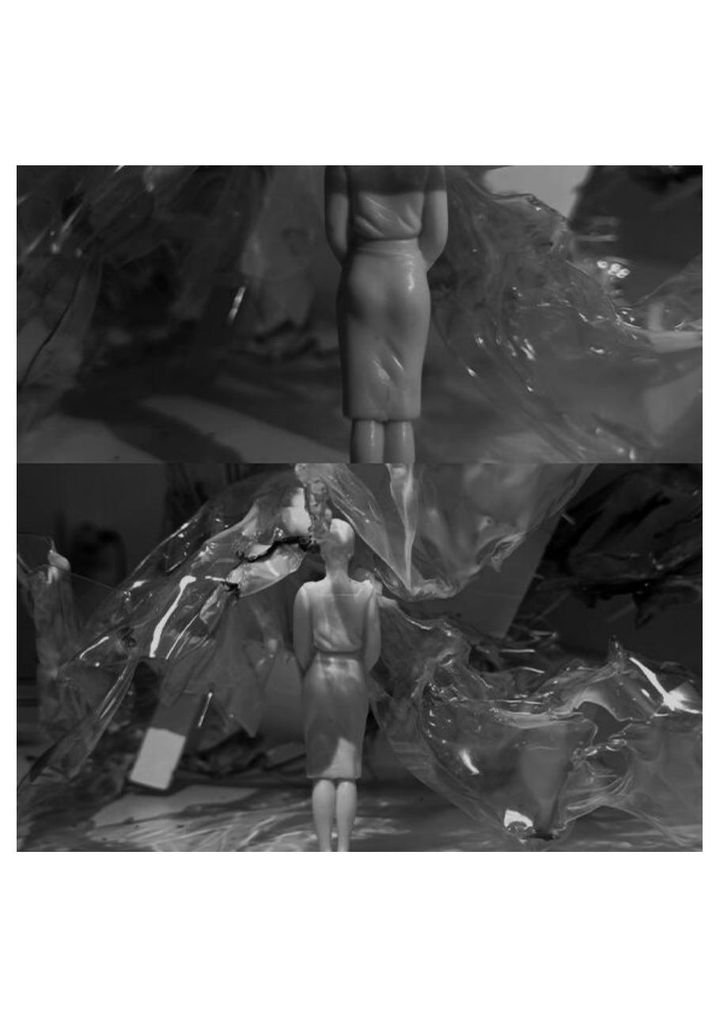
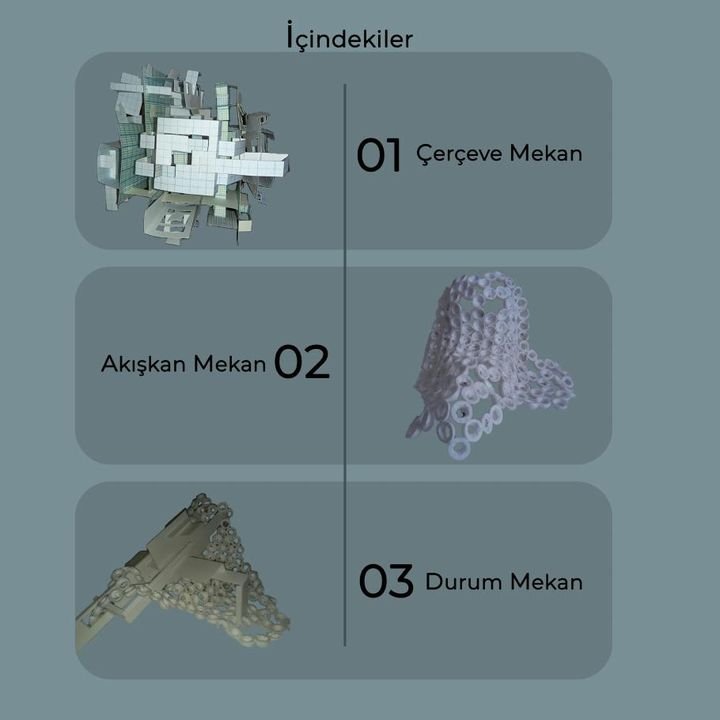
The previous year’s Studio UN-BOX experience turned, in autumn 2022–23, into a joint programme run together by four groups. The studio worked two days a week in GTU Lab F111 and was built around the concept of the “hub”: a “frame space” from a kinetic surface, a “fluid space” from the actions of a species from nature, and a “situation space” from a story written with this species.
Cross-readings (sessions in which two simultaneous texts were discussed in the studio and turned into a “sensory map”), cross-talks at İPA and cross-trips were placed between the modules. Interim critiques and the final colloquium were held with invited juries; students submitted the semester with booklets and process videos.
On the name F111
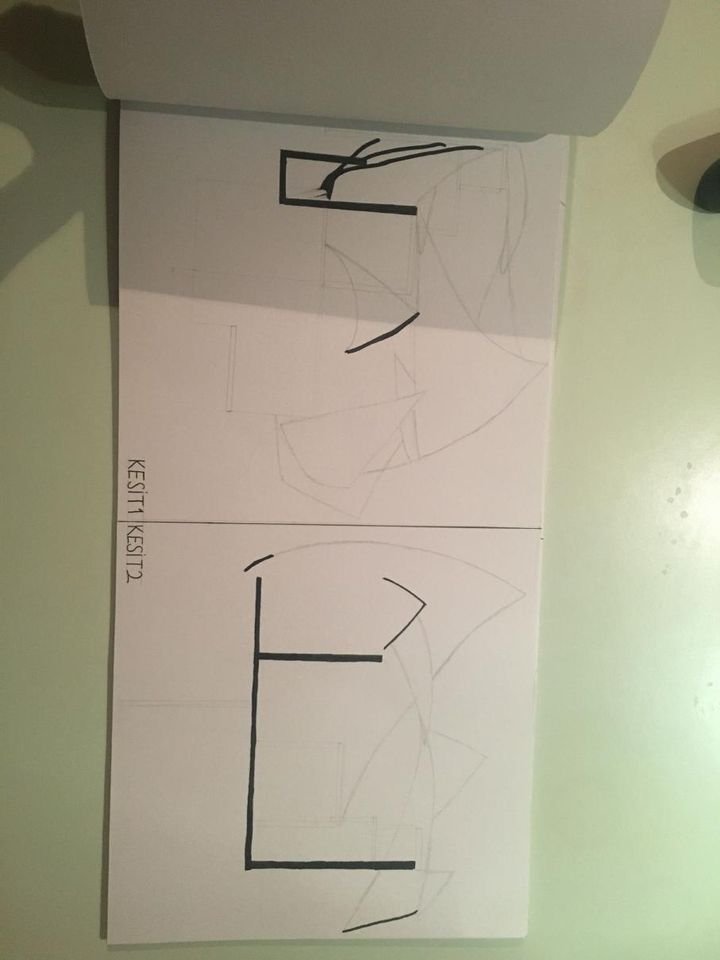
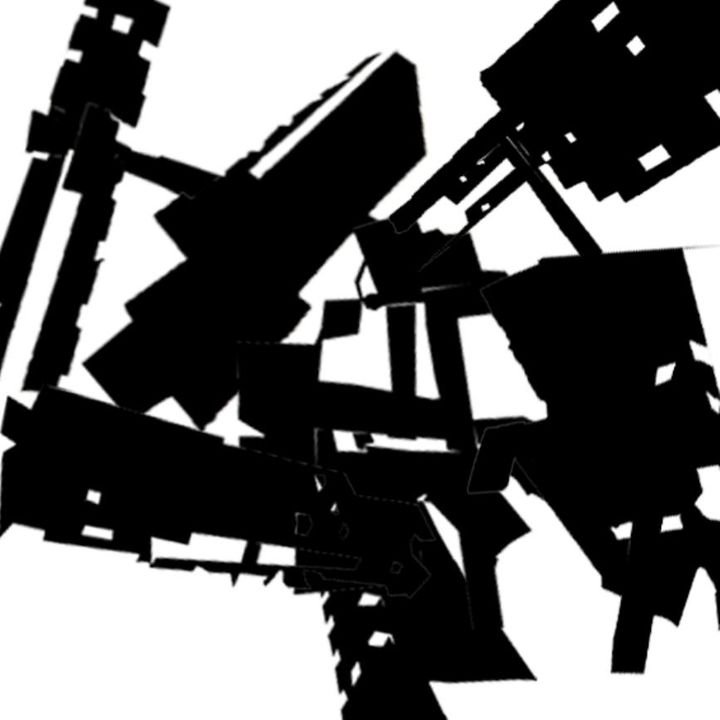
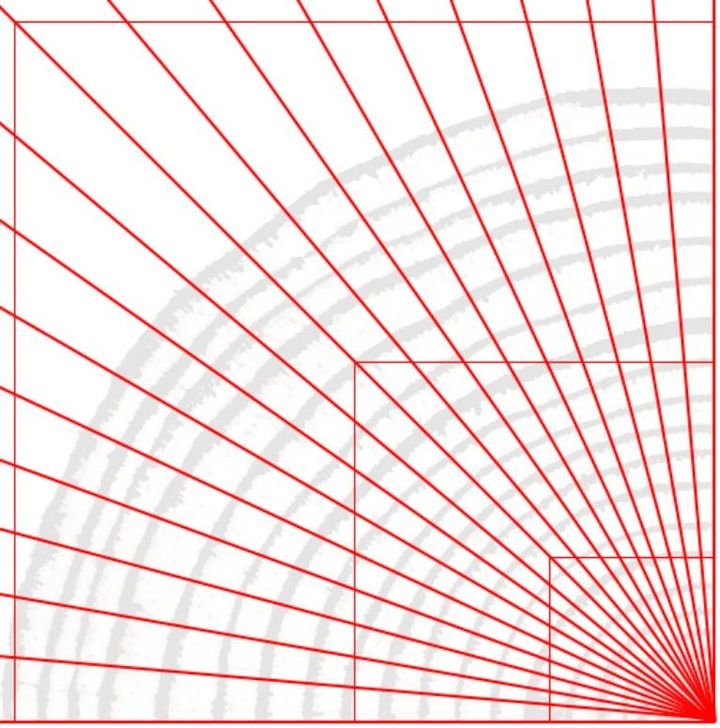
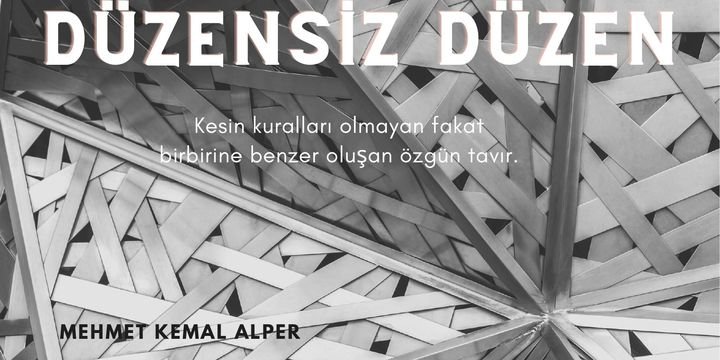
The name of the studio refers to the entry “F111” in the Metapolis Dictionary of Advanced Architecture. The entry describes a sharp change of direction in the design of aircraft invisible to radar. The first version resembles a stingray: an edgeless, curved, continuous body; a form dominated by the spline. The second version is its exact opposite: a faceted, sharp-edged profile built with right angles; a form dominated by the set square. Both serve the same purpose: evading radar.
The conclusion drawn from this is that form follows neither function nor structure, but strategy. This is why the entry is linked to the concepts of camouflage, form, formlessness, strategy and tactics. In F111 we did not tie form from the outset to a function or a load-bearing system; we made room for form to emerge from within the situation, as a strategy.
The studio takes its name from the entry “F111” in the Metapolis Dictionary of Advanced Architecture. The entry describes a radical change of direction in the design of invisible aircraft. The first version resembled a stingray: edgeless, curving and continuous, a form ruled by the spline. The second was its opposite: a right-angled, jagged, sharp-edged profile ruled by the set square. Both served the same purpose, to avoid radar detection.
The entry’s conclusion is that “the shape follows neither function, nor structure, but strategy”, which is why it links to camouflage, form, no-form, strategy and tactic. In F111 we did not tie form to a function or a structural system from the outset; we left room for it to emerge from the situation as a strategy.
source Willy Müller, “F111”, Manuel Gausa et al., The Metapolis Dictionary of Advanced Architecture, Barcelona: Actar, 2003.
modules 4
-
Module 1 · week 1
Encounter — body, space
Orientation and first encounter.
-
Module 2 · weeks 2–4
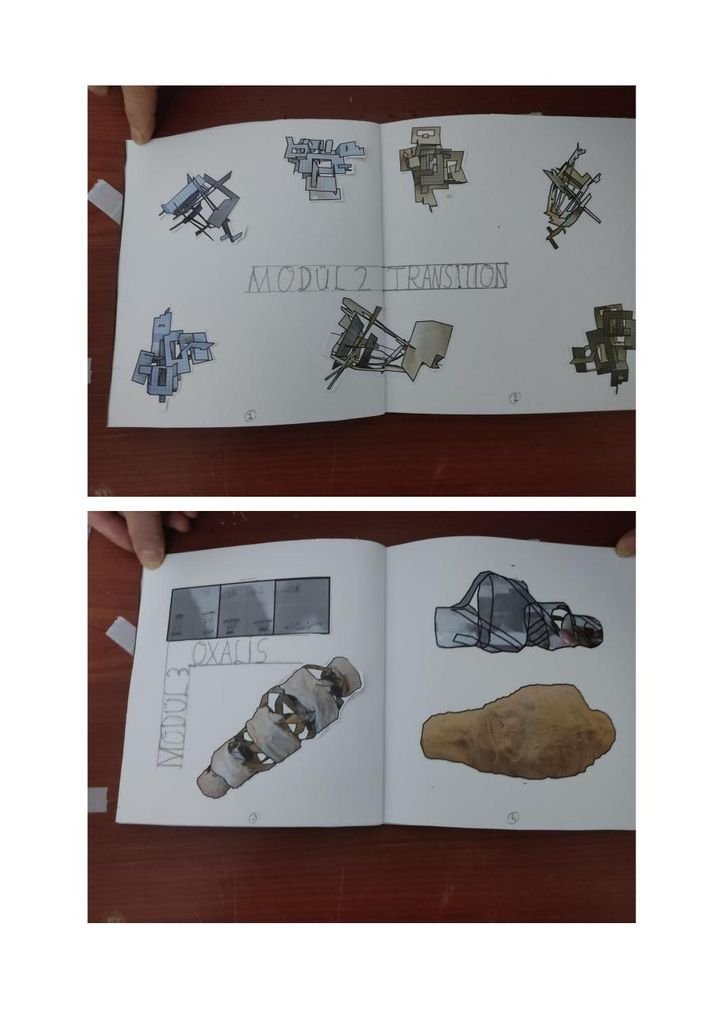
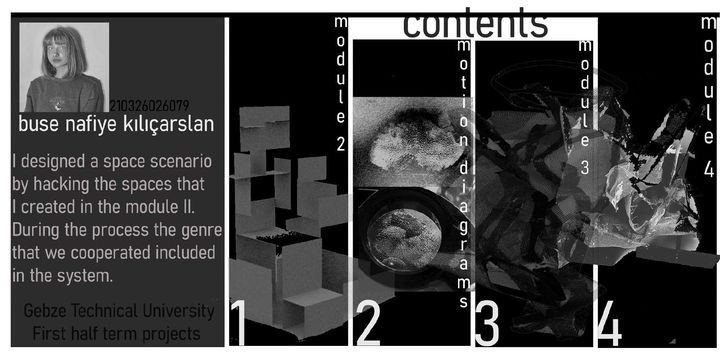
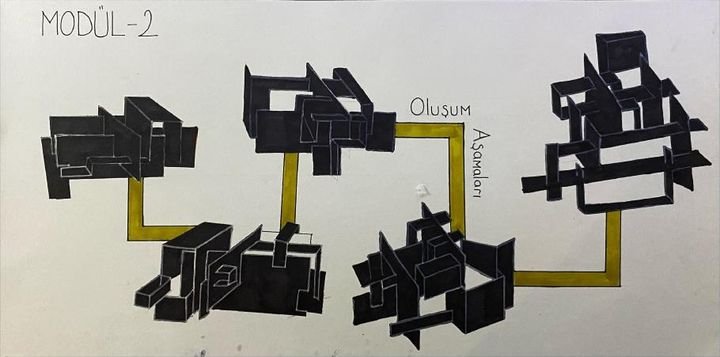
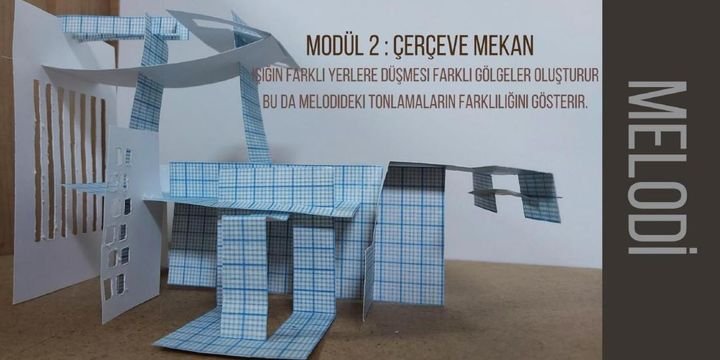
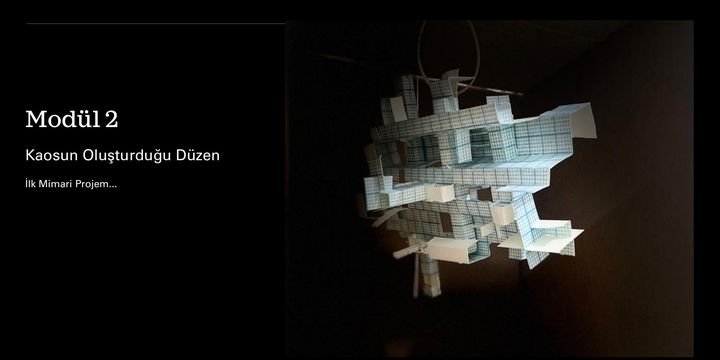
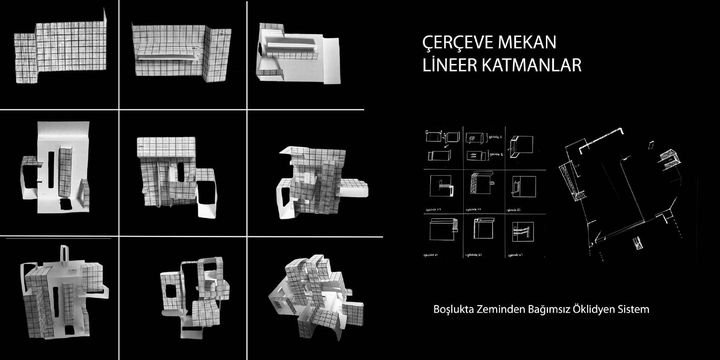
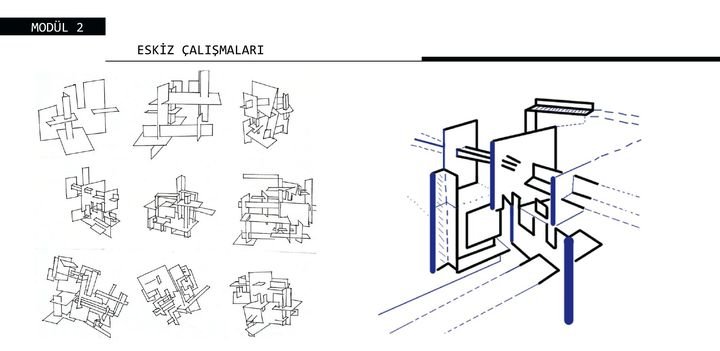
Frame space — Frame Hub
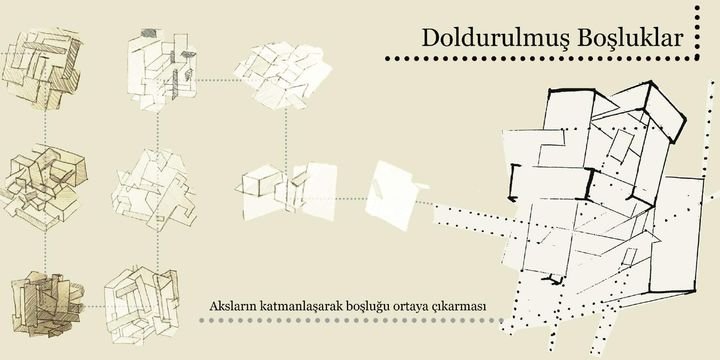
concepts continuity, transitions, loops, layering, vertical and horizontal frames, boundaries
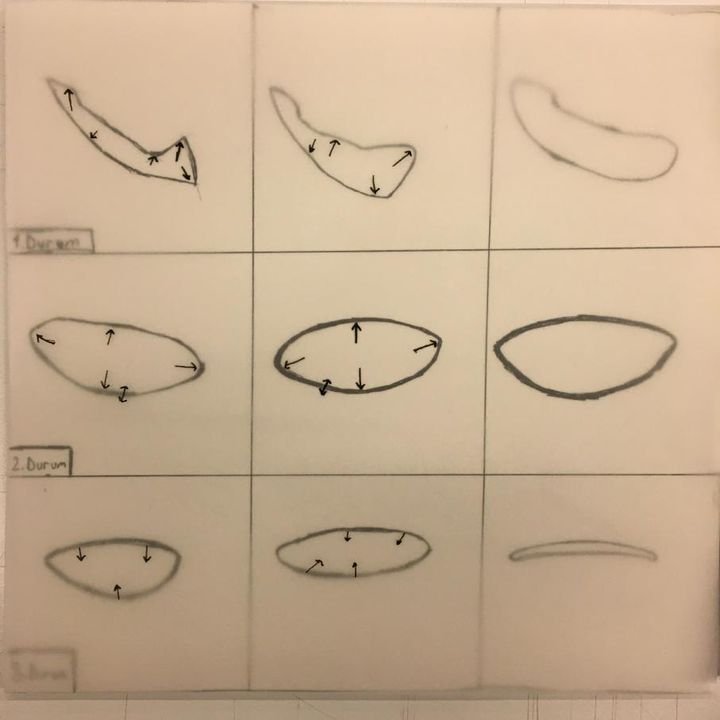
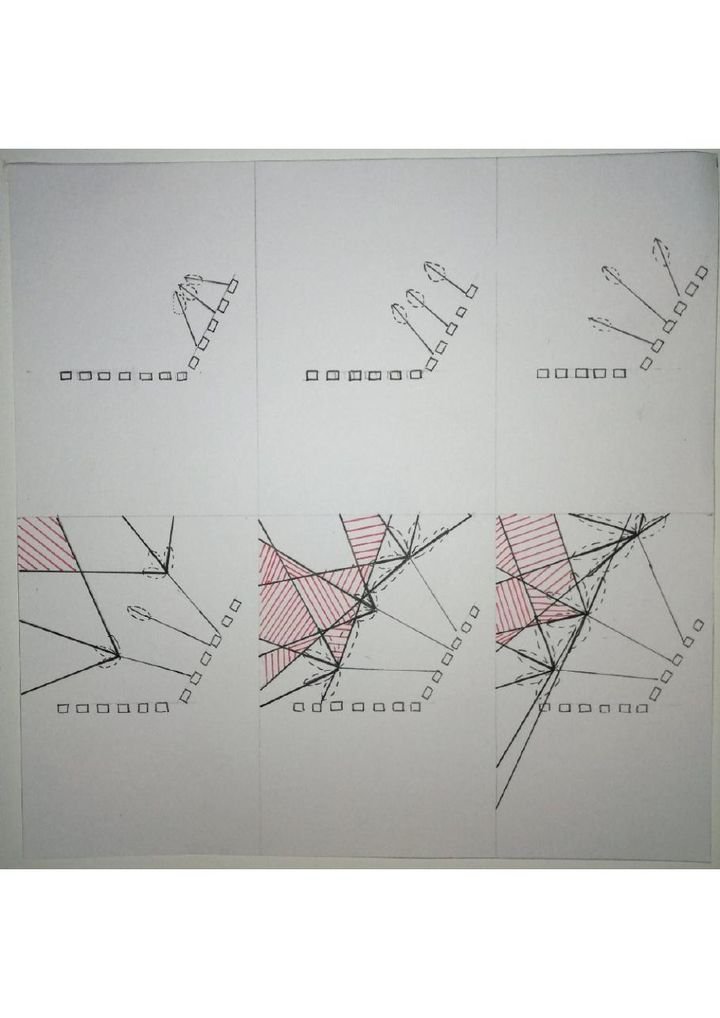
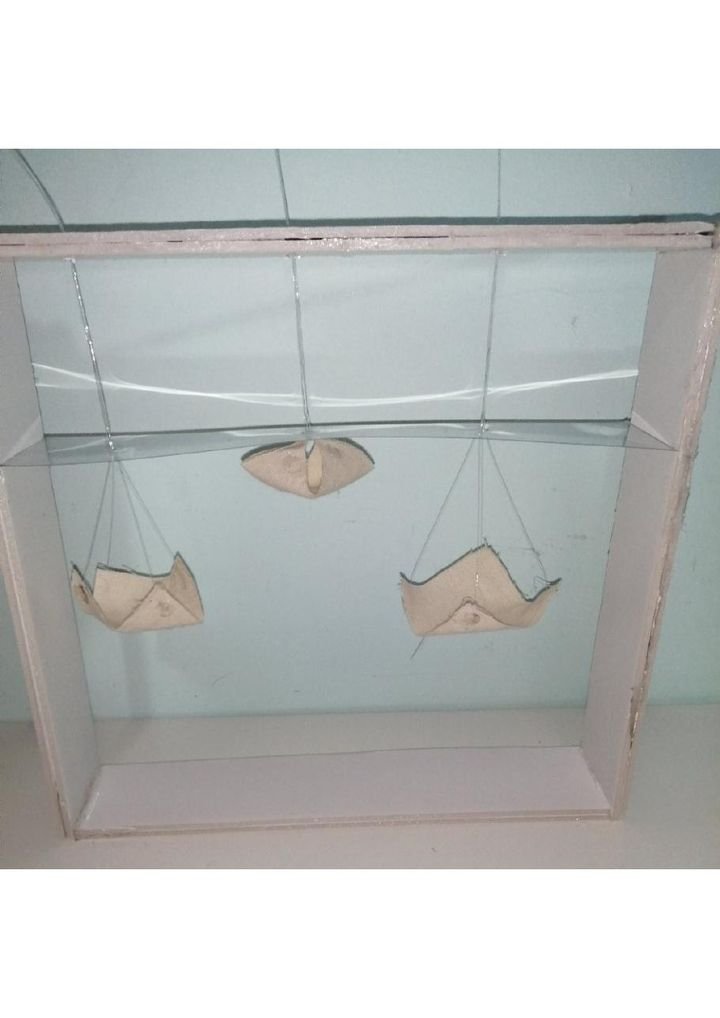
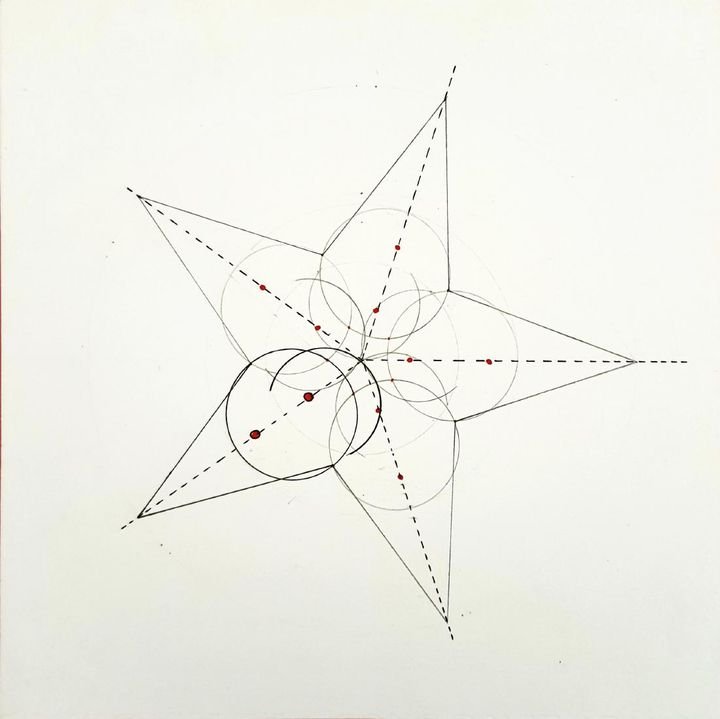
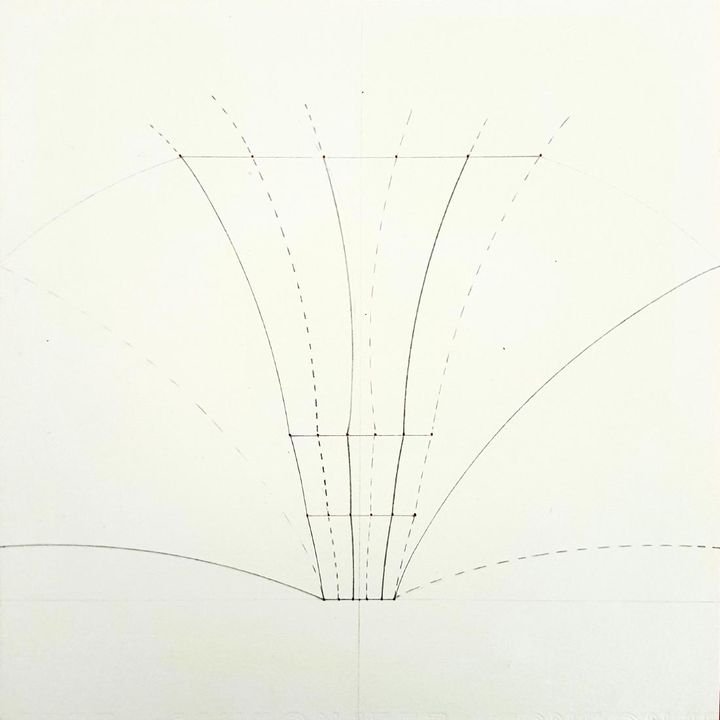
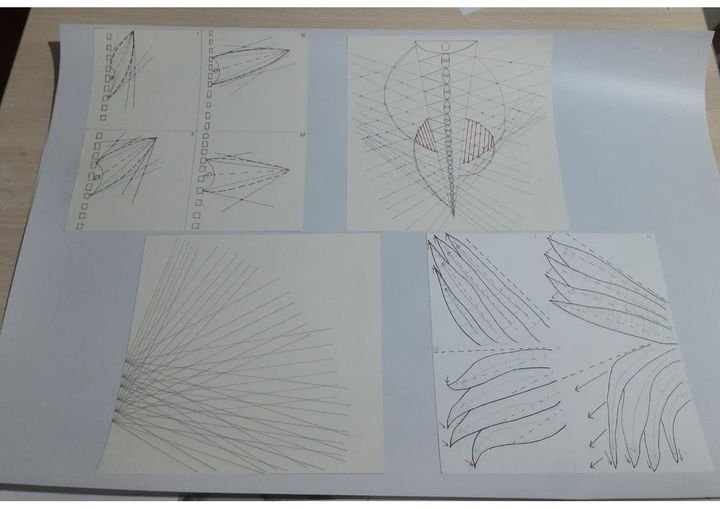
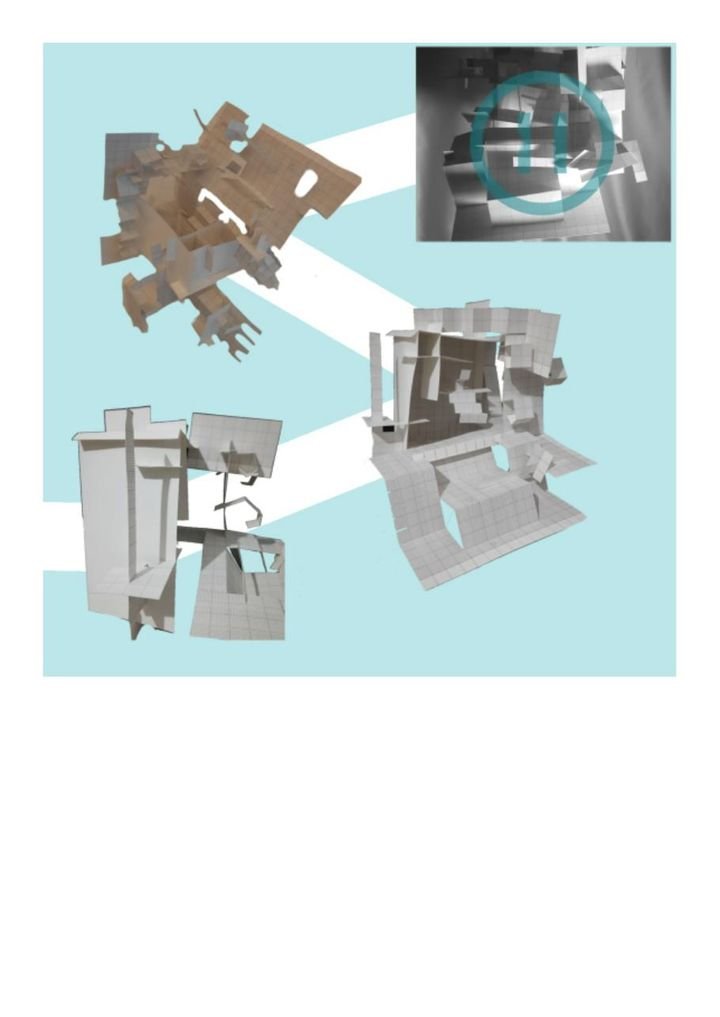
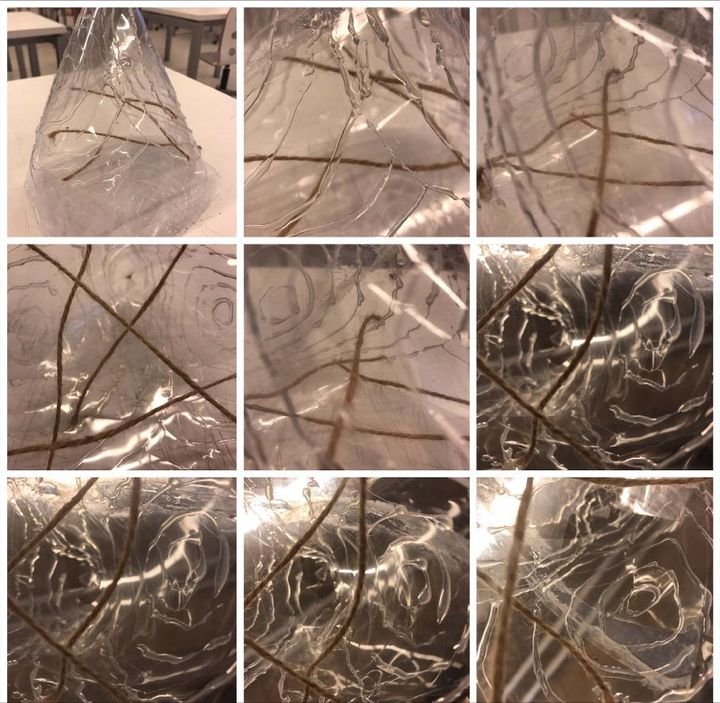
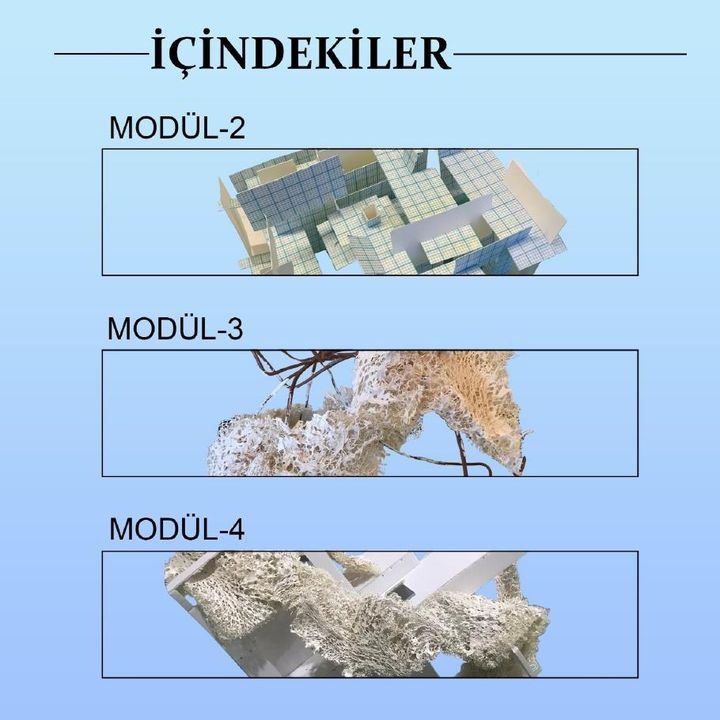
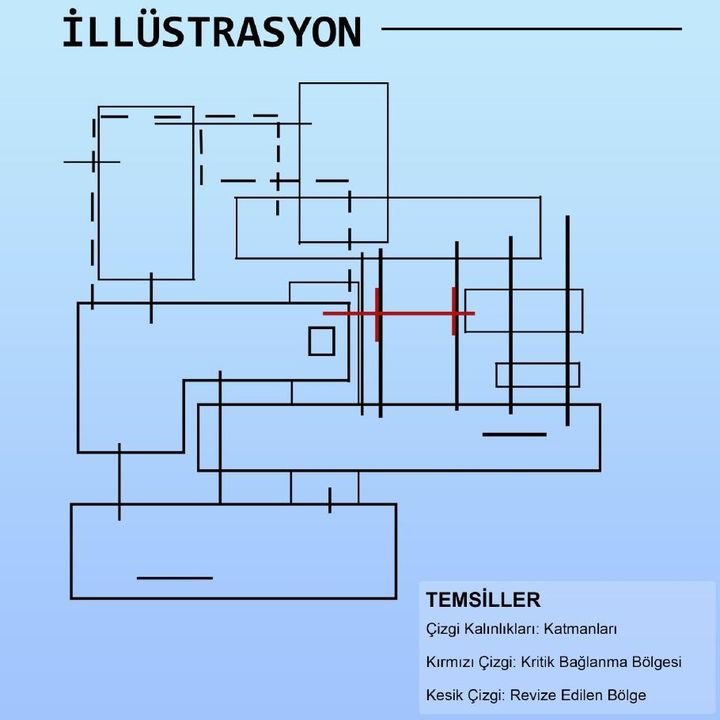
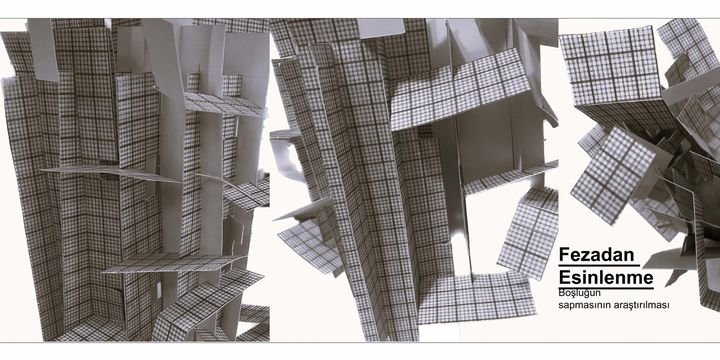
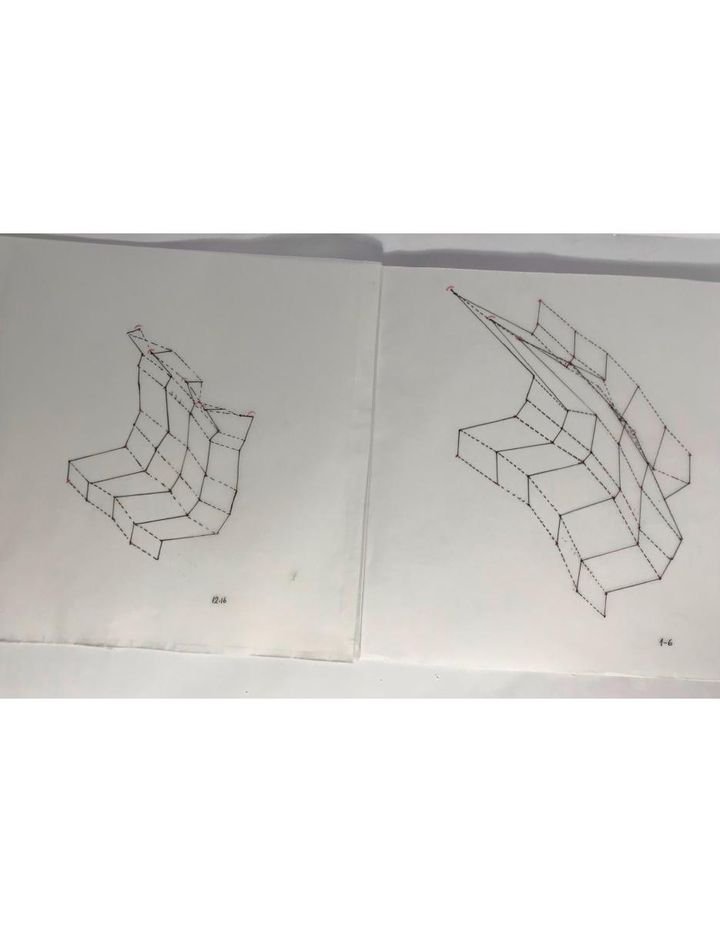
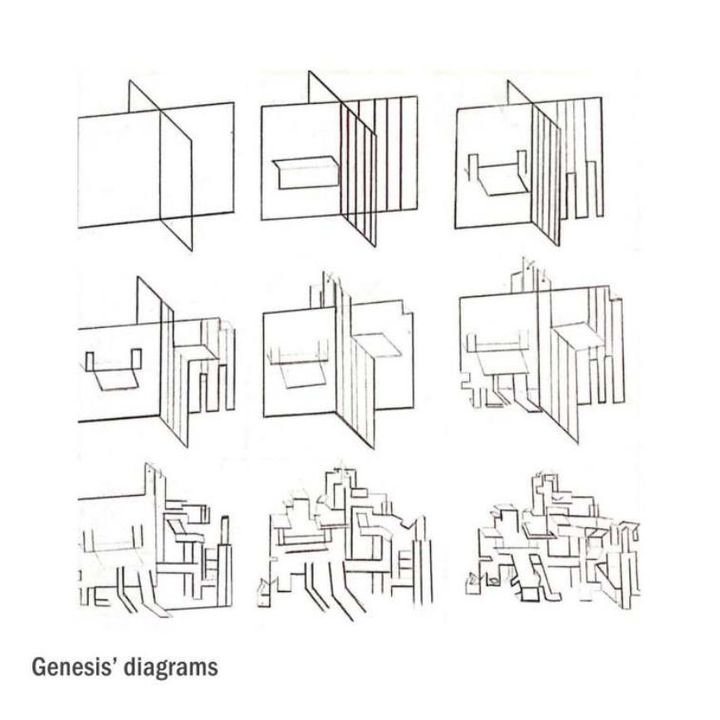
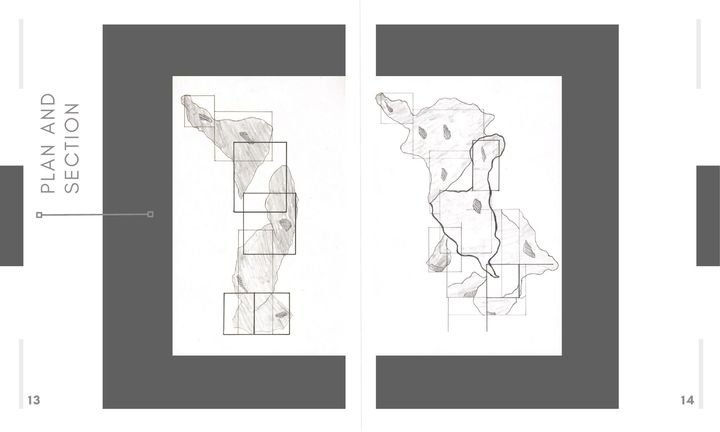
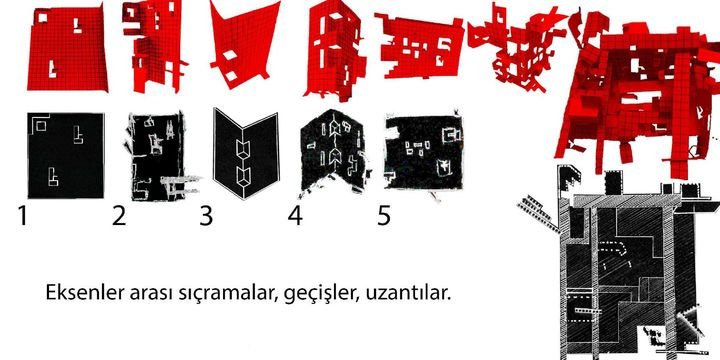
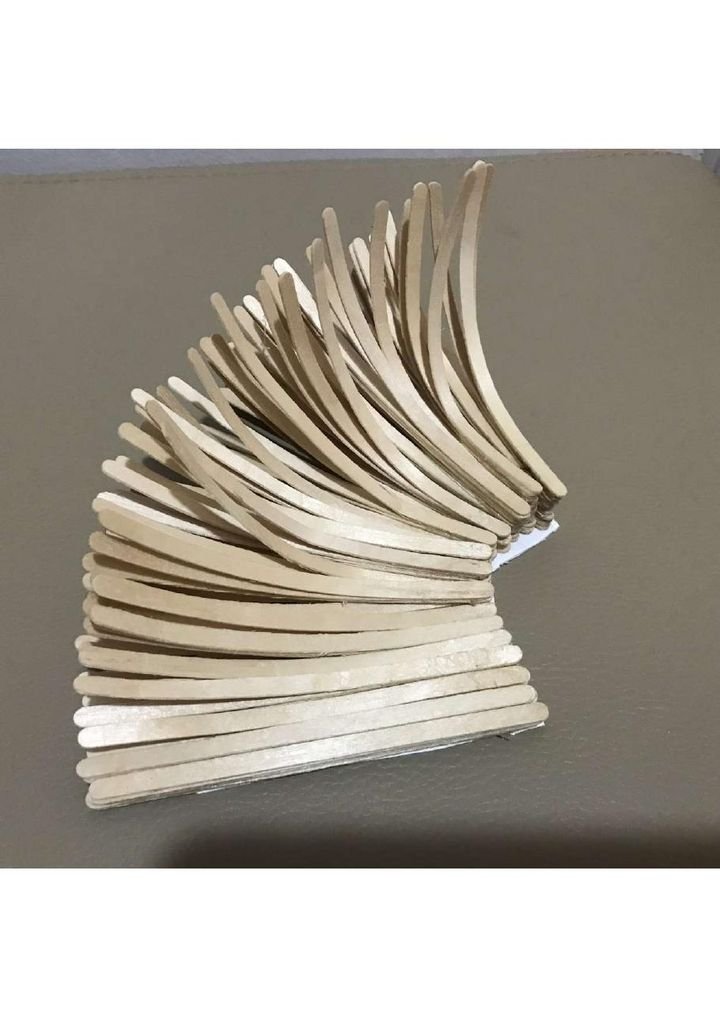
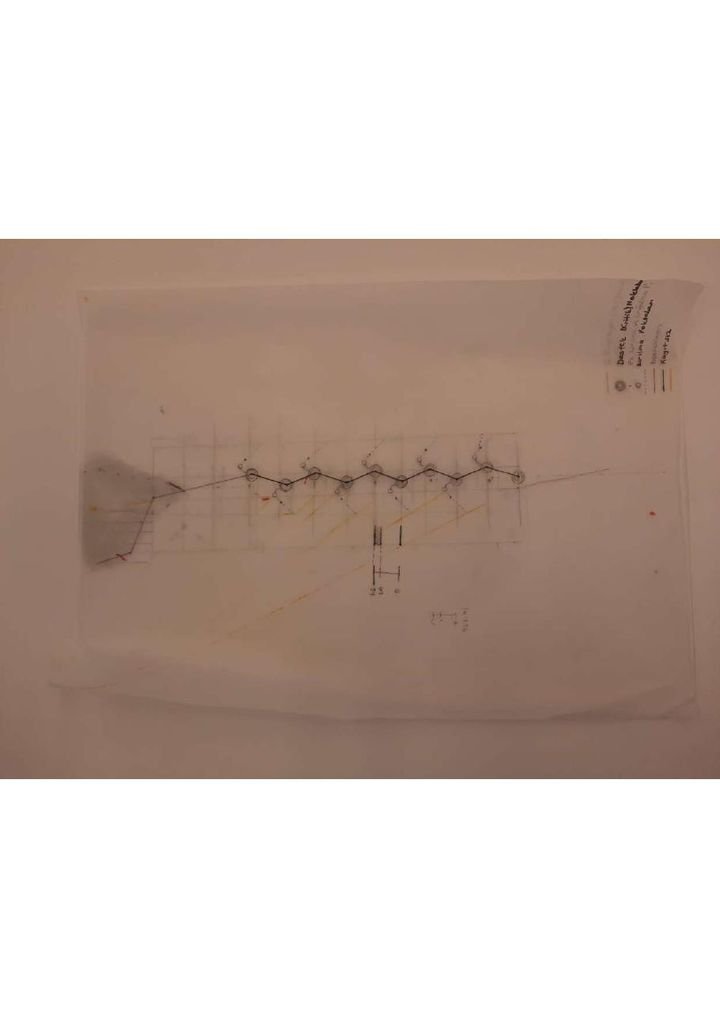
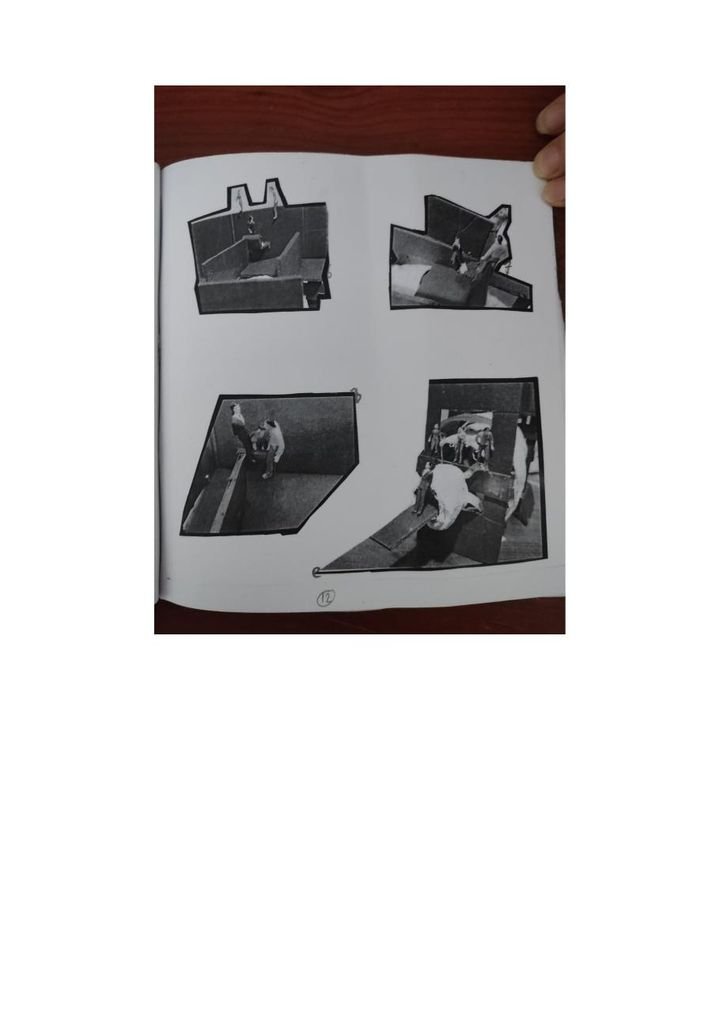
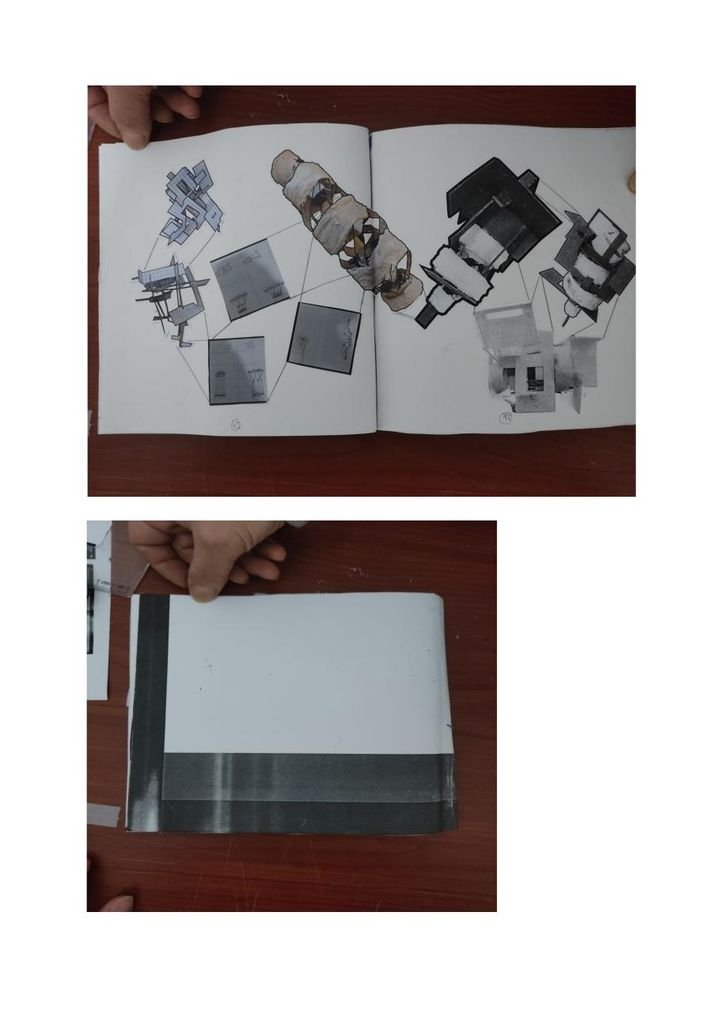
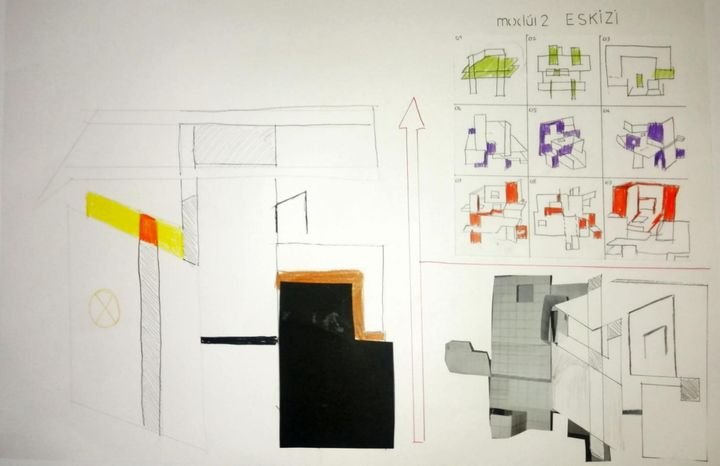
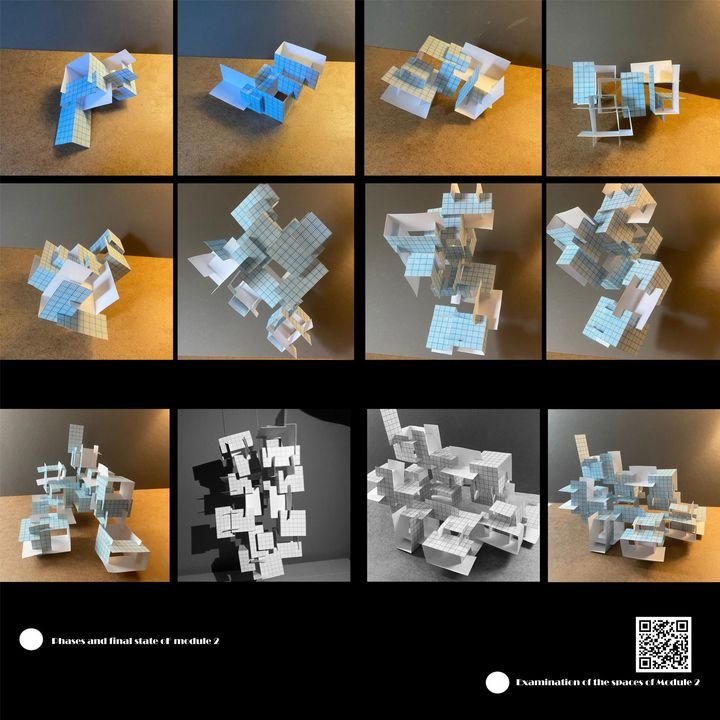
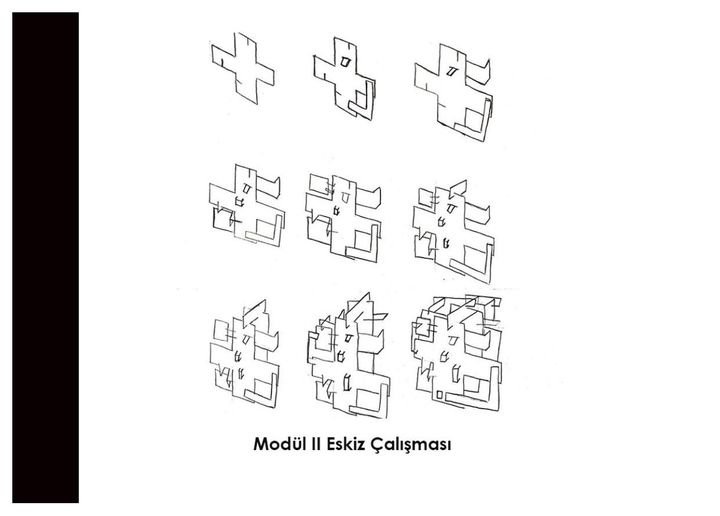
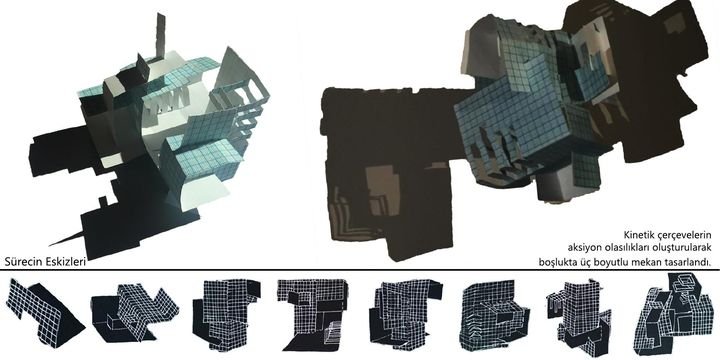
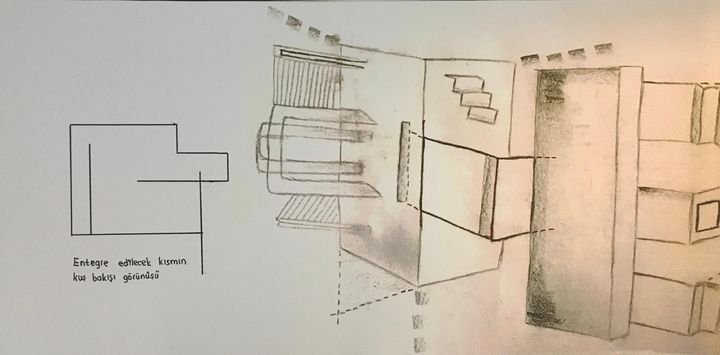
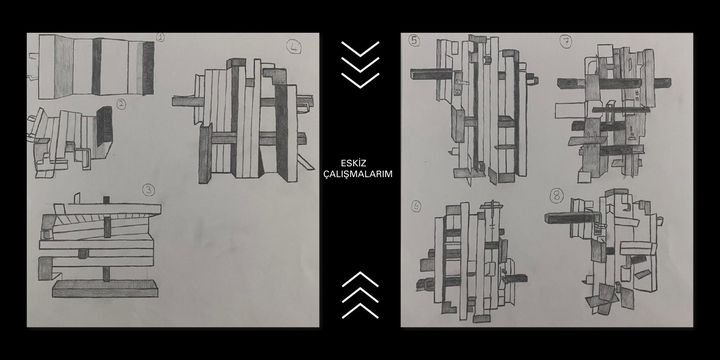
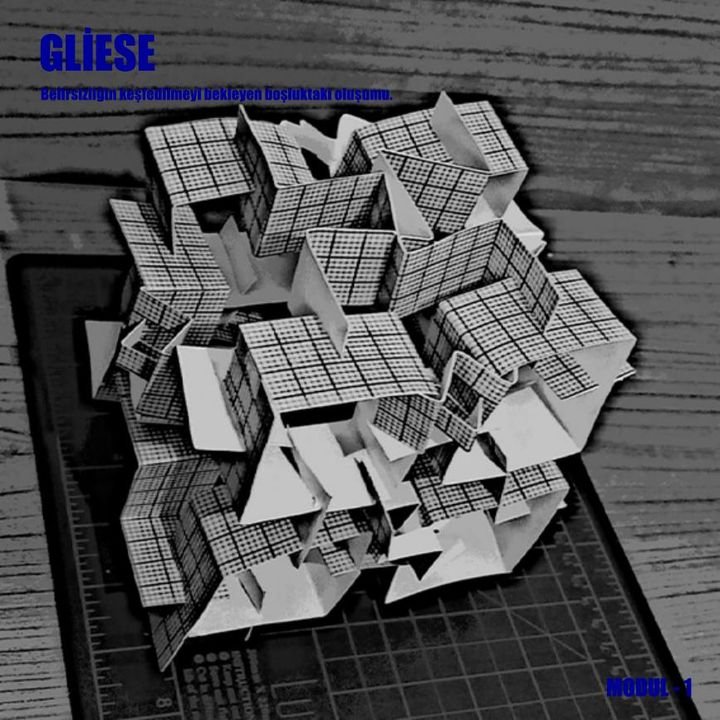
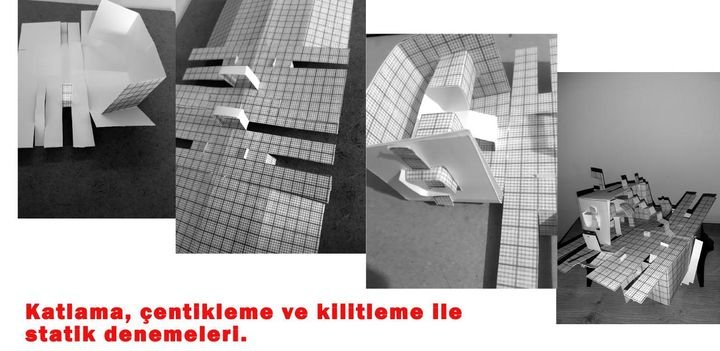
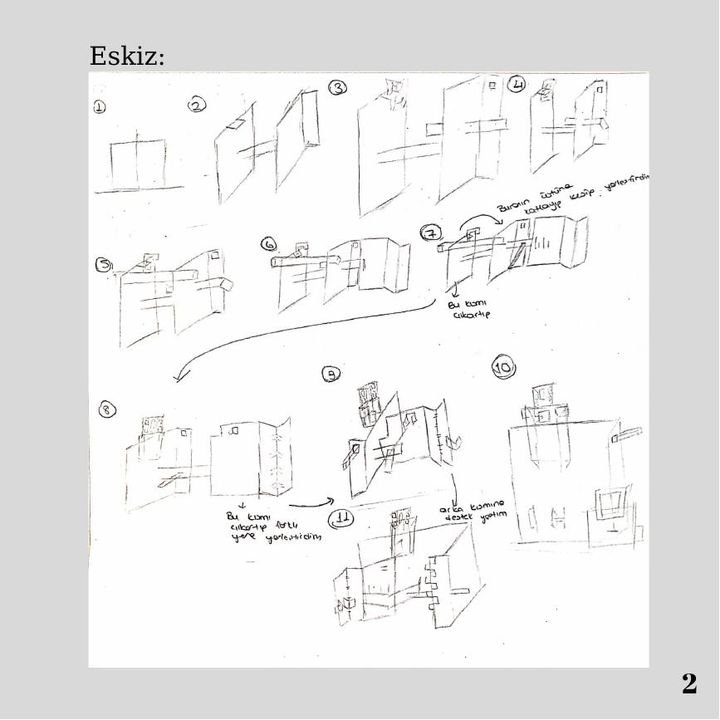
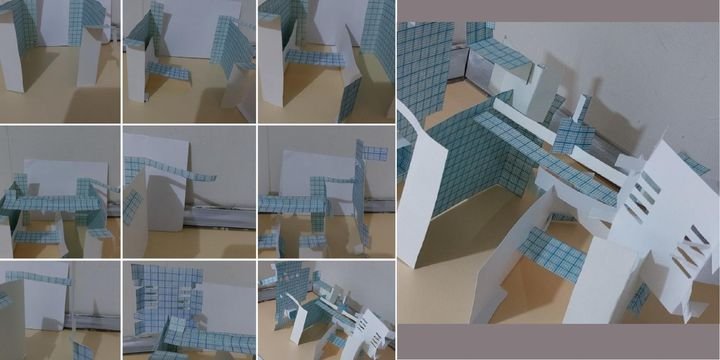
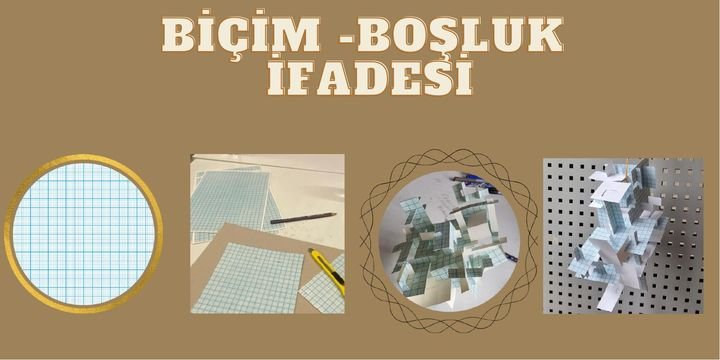
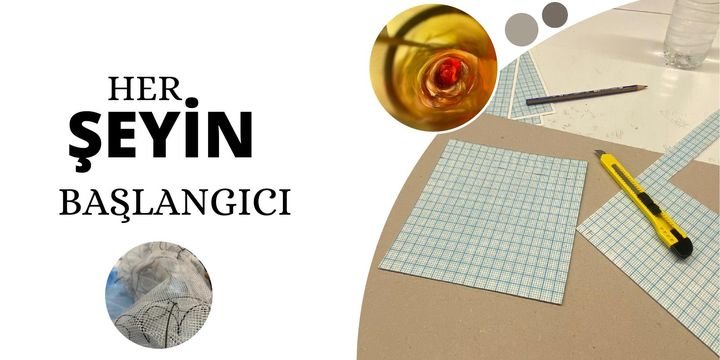
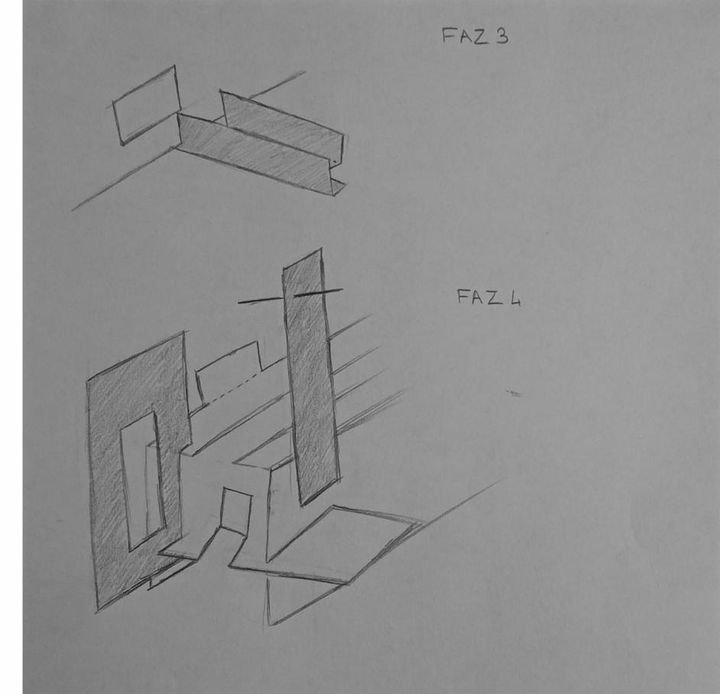
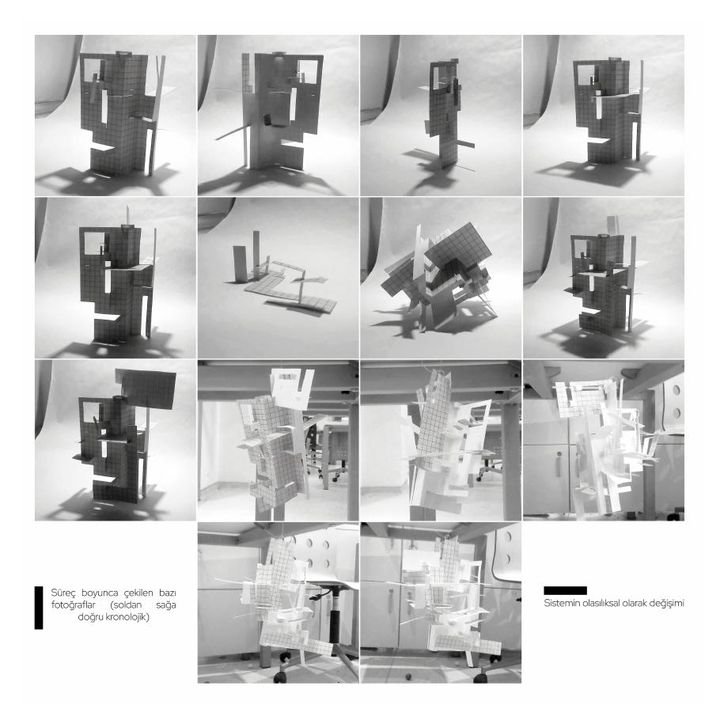
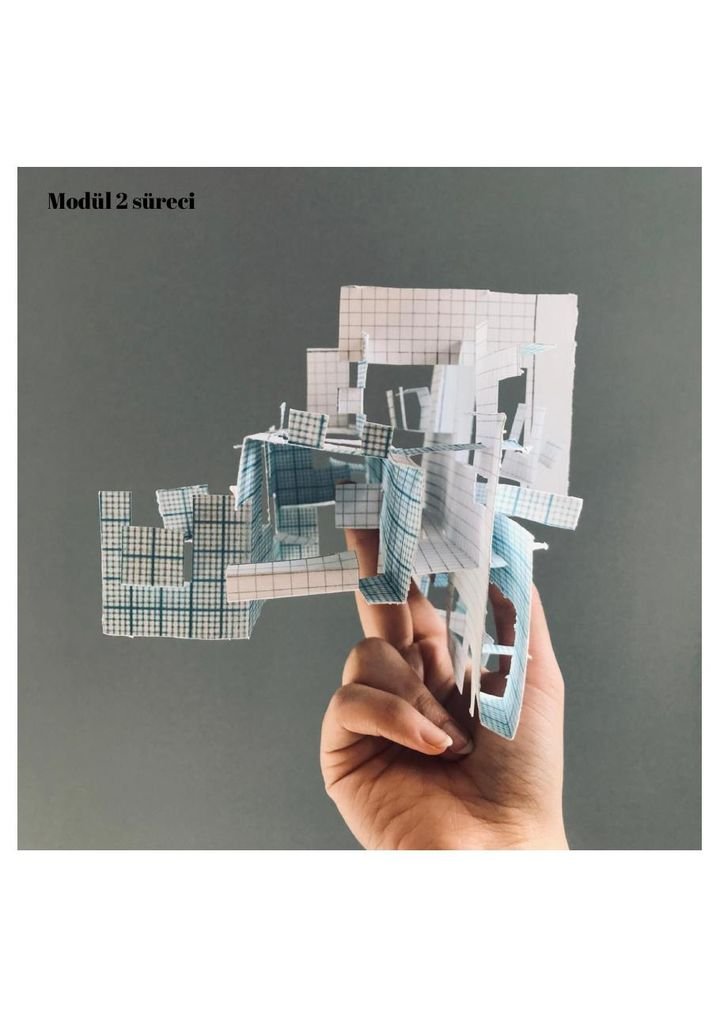
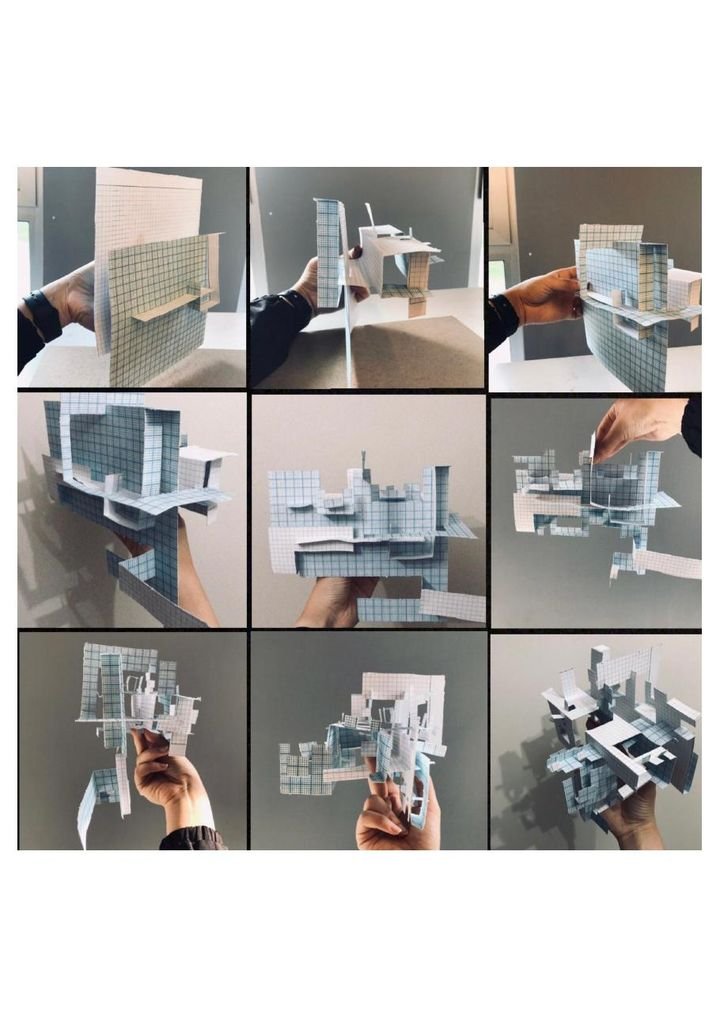
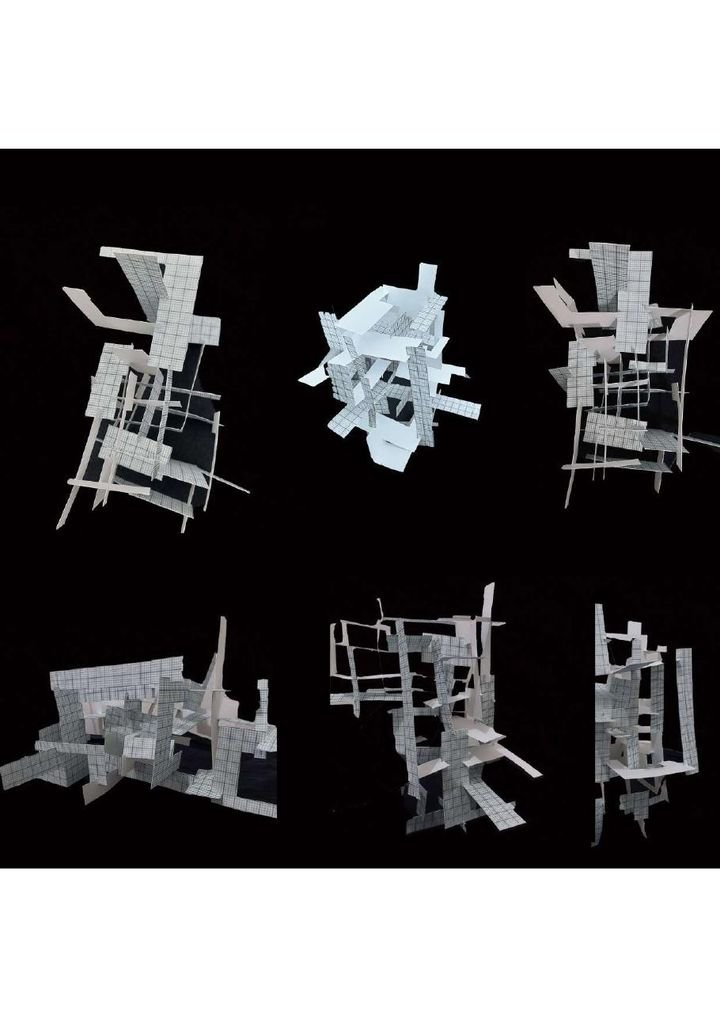
production kinetic-surfaced surface: articulating at least three and at most eight 20×20×20 cm millimetric paper surfaces together in nine phases by dividing, opening, cutting and folding; video or GIF record of the phases; exploring the action possibilities of the kinetic frames
materials and techniques surfaces photocopied from millimetric paper; cutting, folding, grafting, sliding, pulling; record sheet, model, perspectives, sketches, phase photo grid, diagrams, video collages
readings Thomas P. Kasulis, “The Allegory of the Bell” (1981) · Walter Murch, “The Rule of Six”, In the Blink of an Eye (1995) · Georges Perec, Species of Spaces (2017) · Esther Adrover, Deployable Structures (2015)
-
Module 3 · weeks 5–8
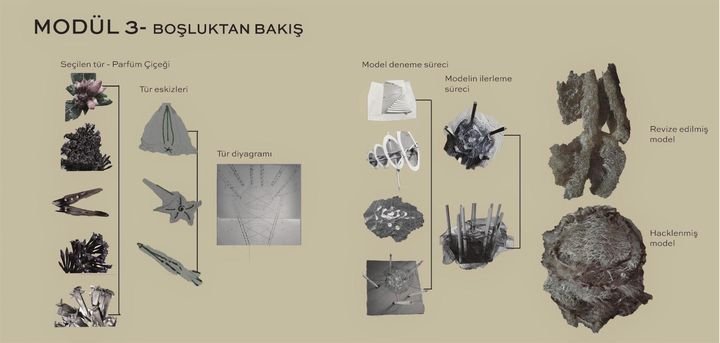
Fluid space — Fluid Hub
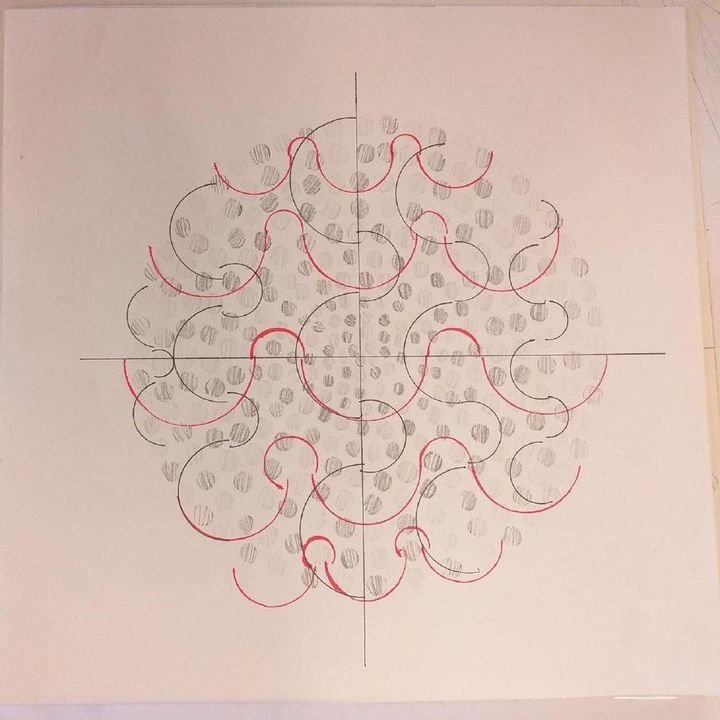
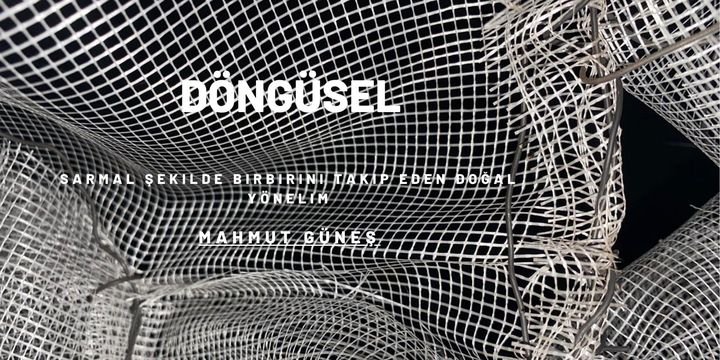
concepts Möbius strip, action and programme, fragmentation, time-space sequences, oblique and virtual planes, configuration, pattern, fractals
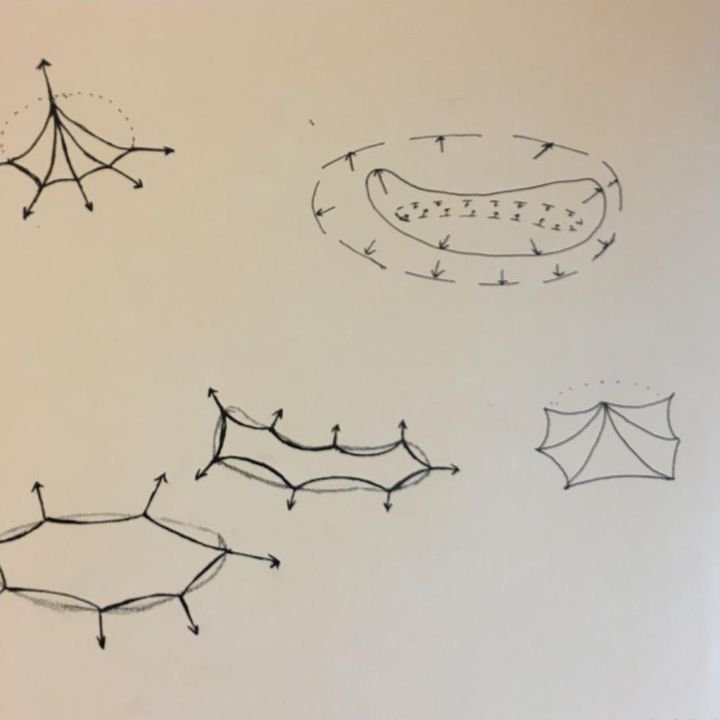
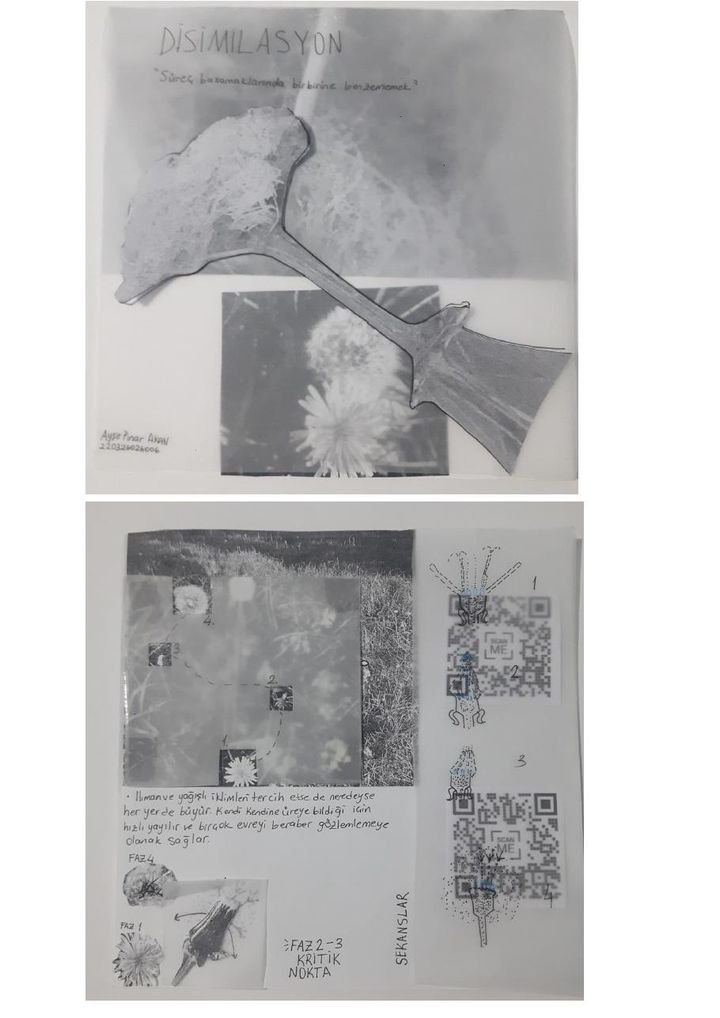
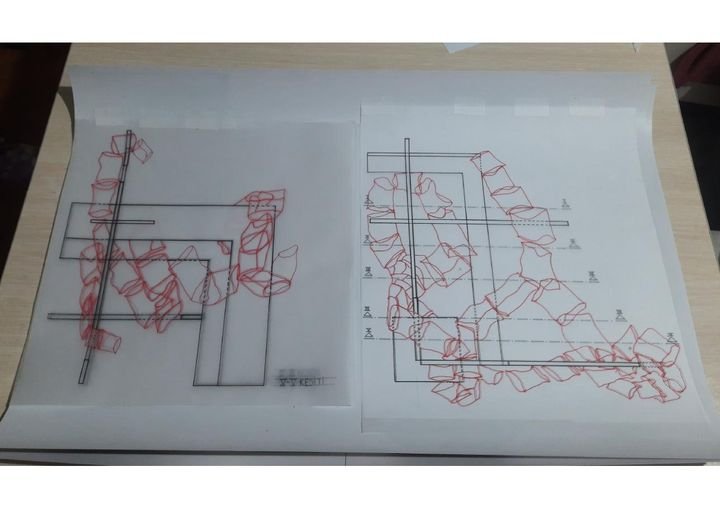
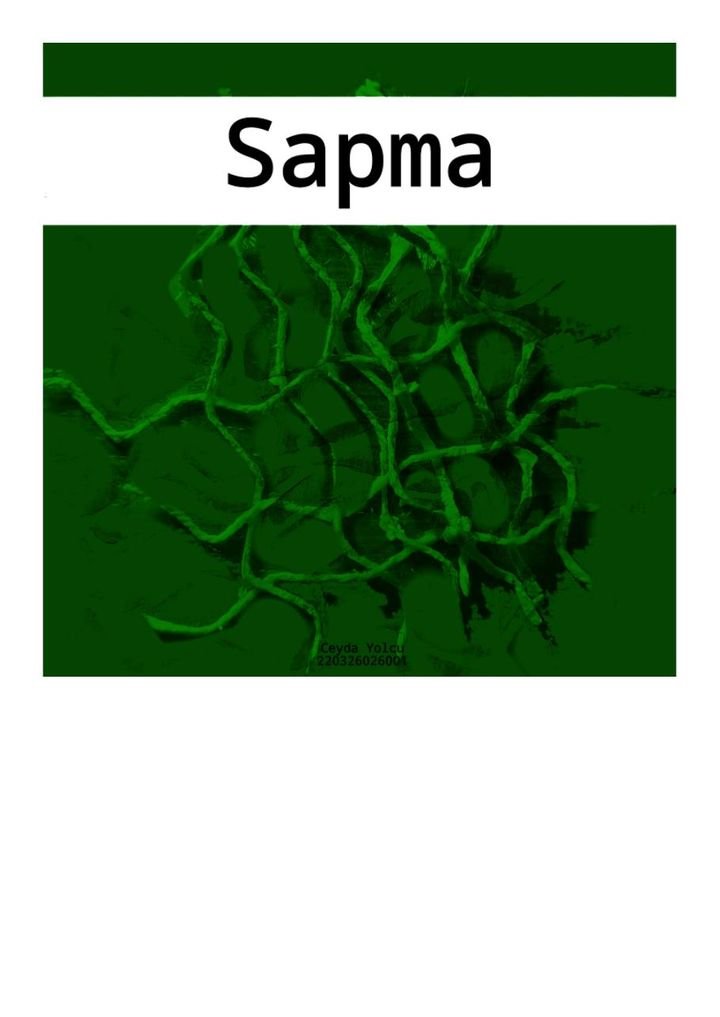
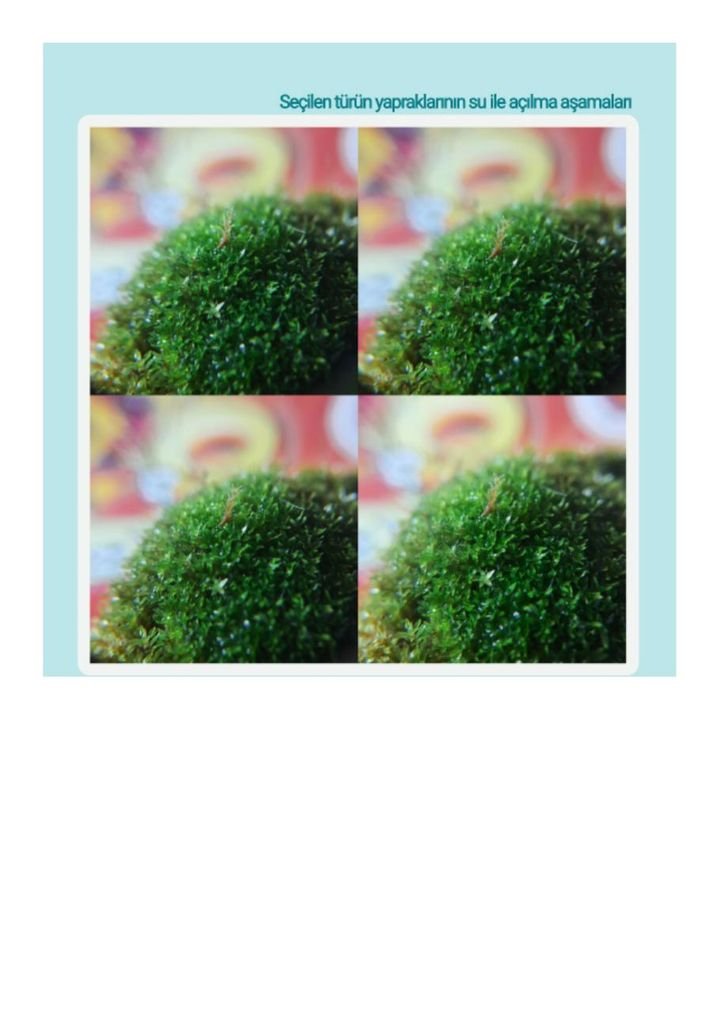
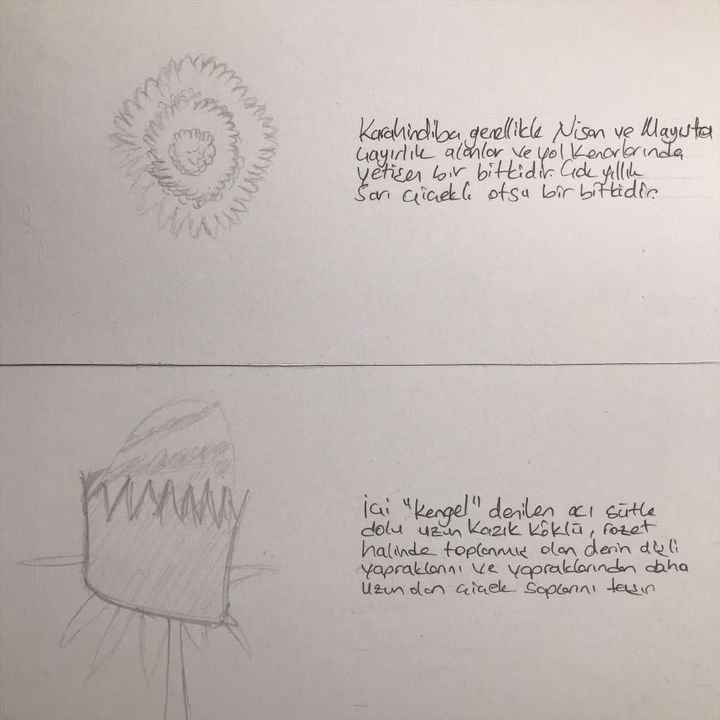
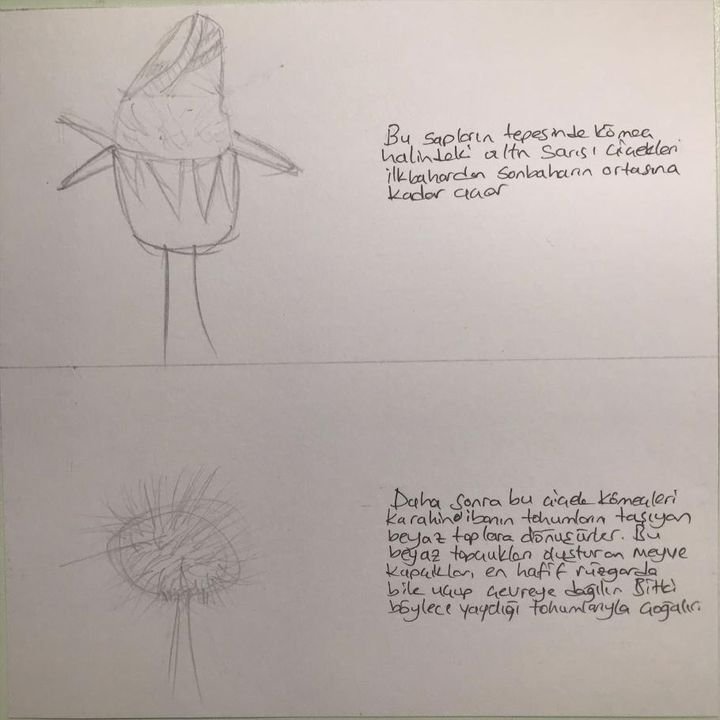
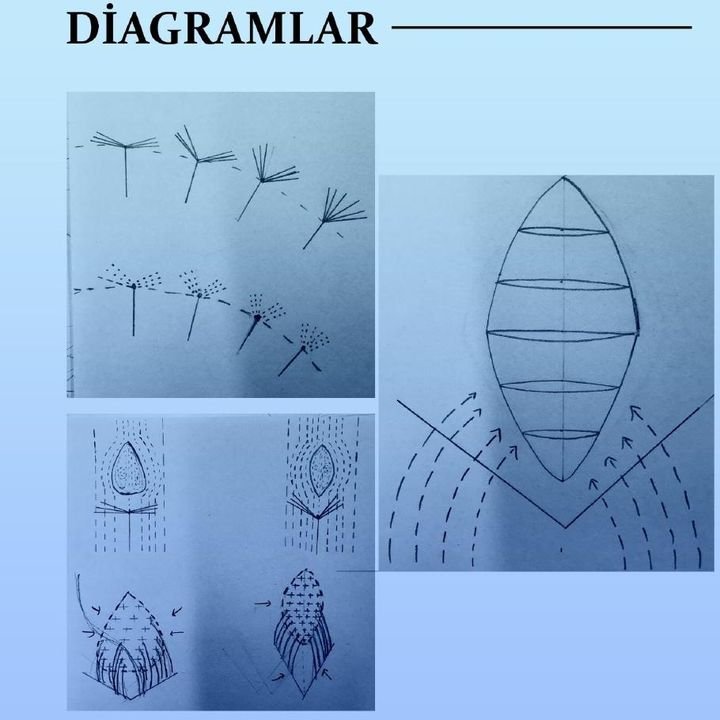
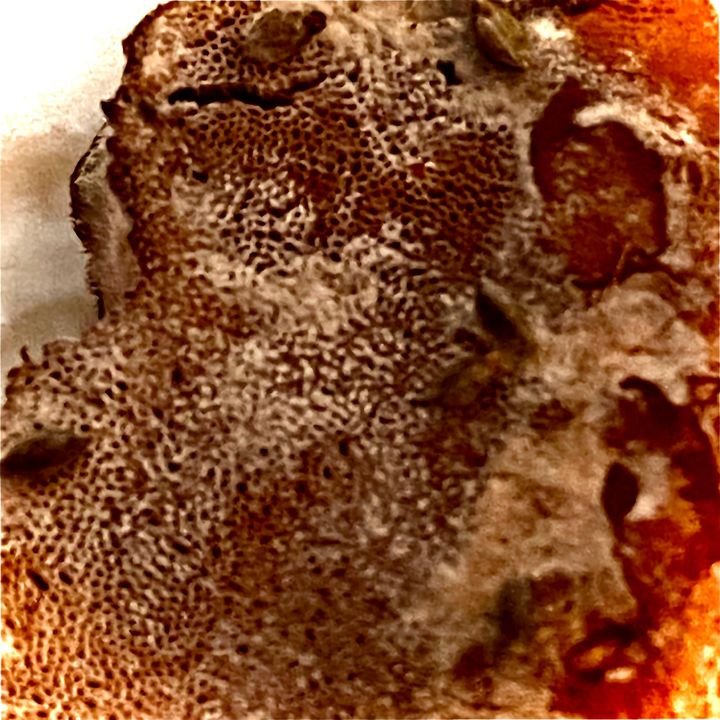
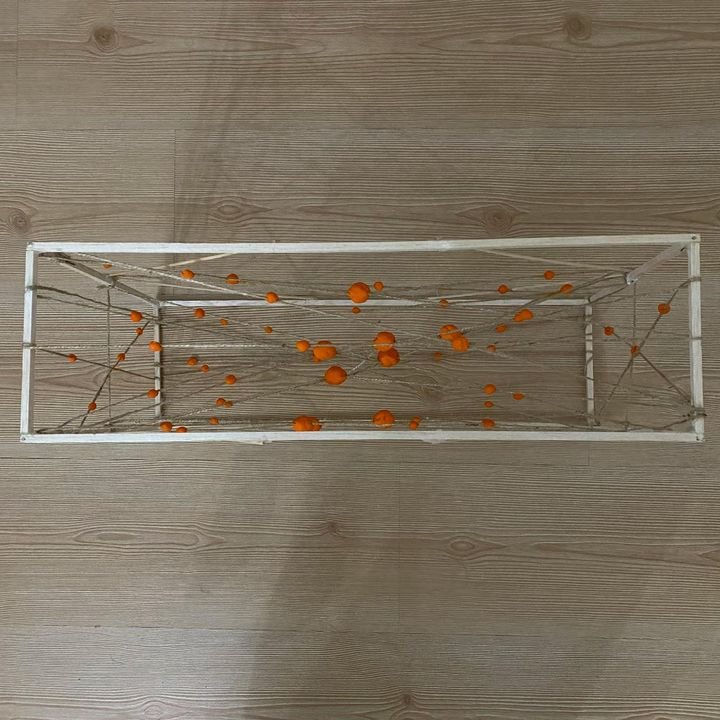
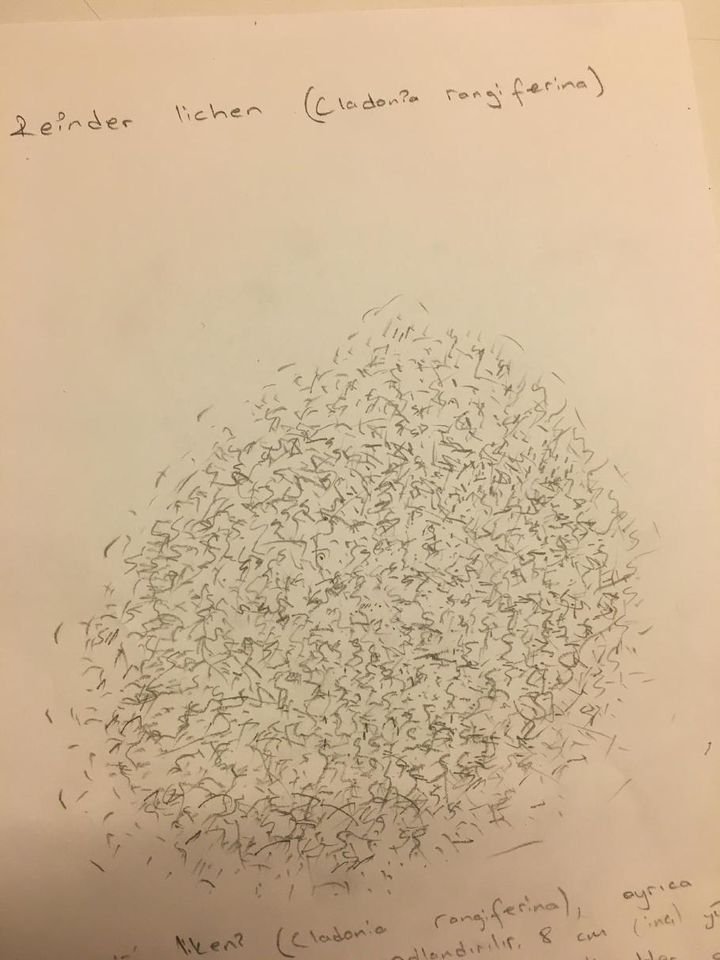
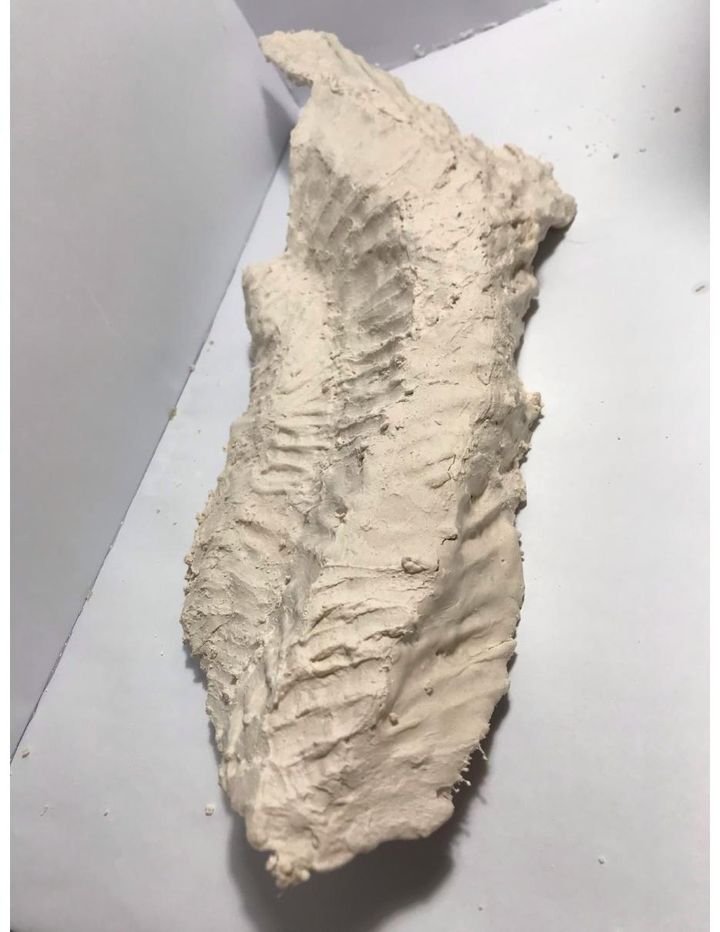
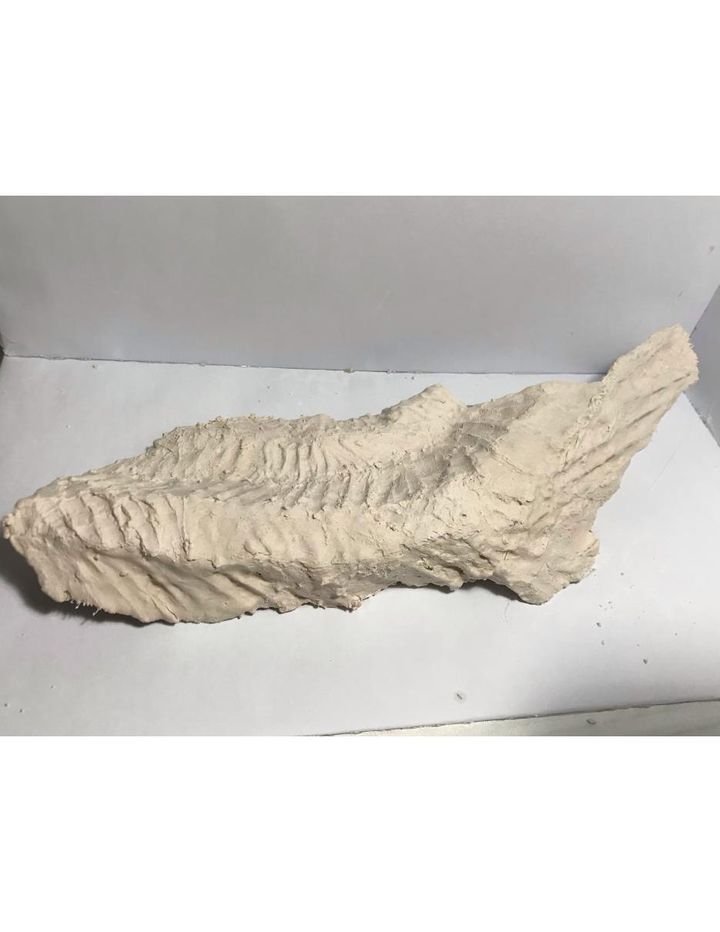
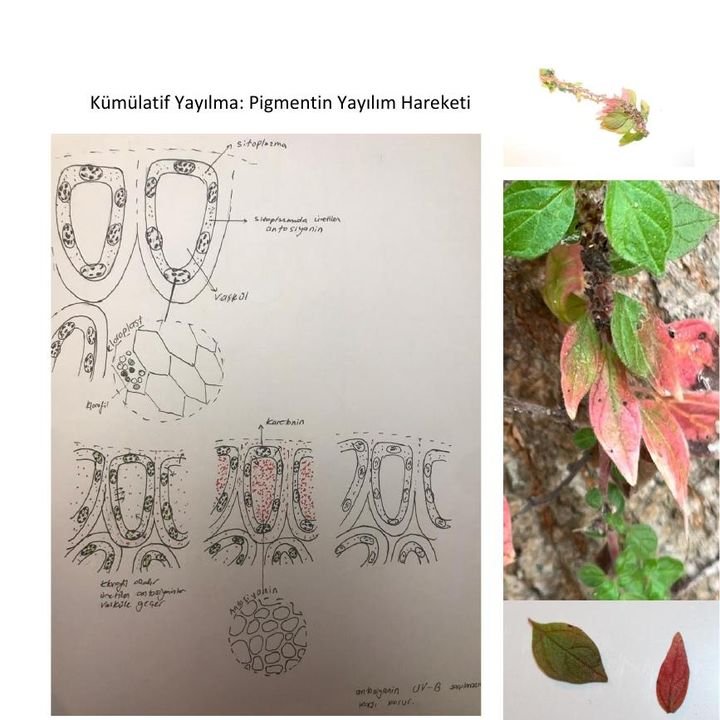
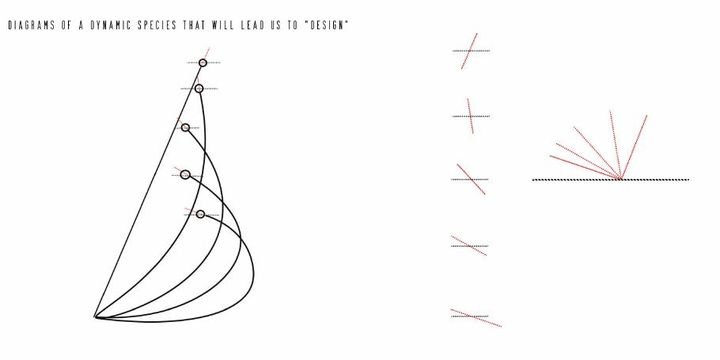
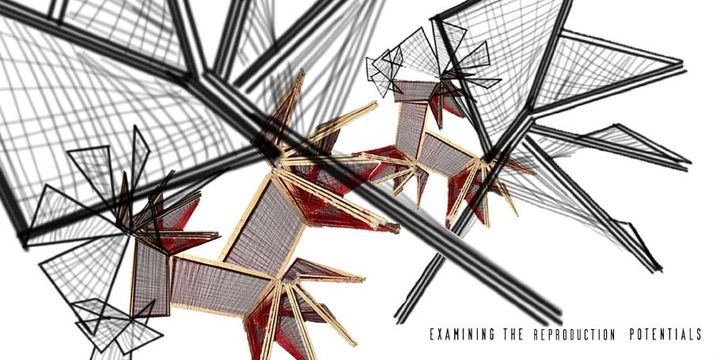
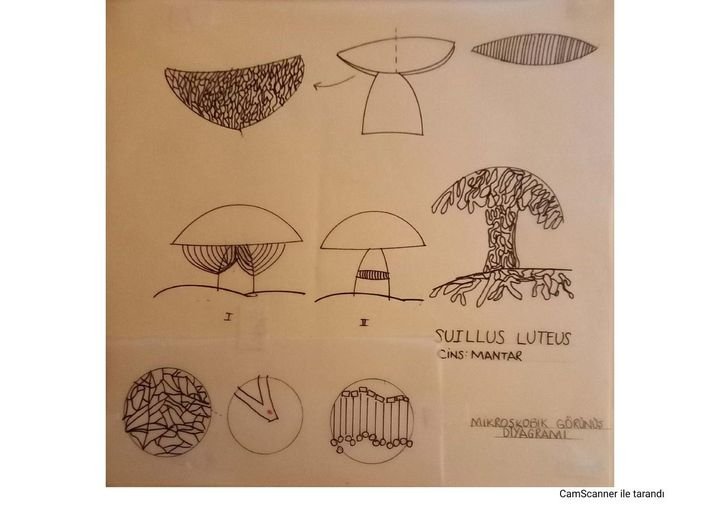
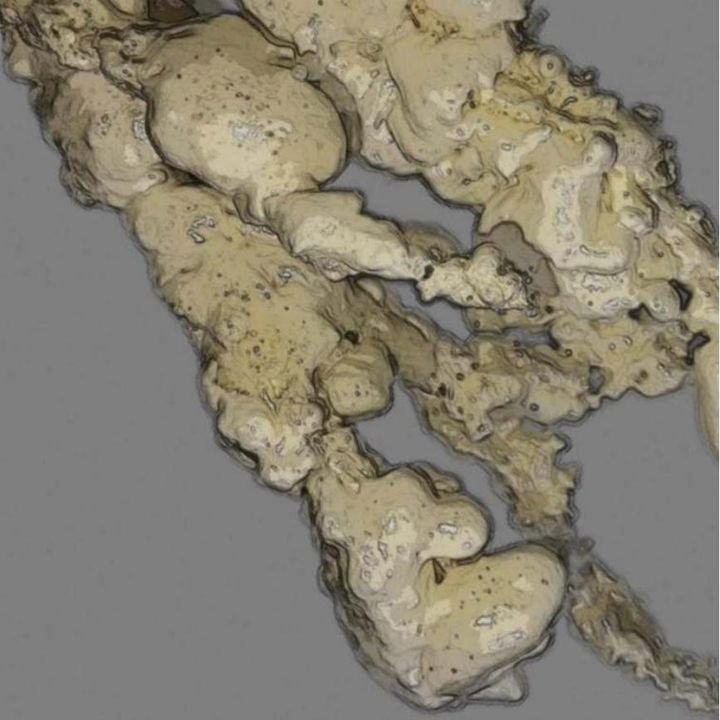
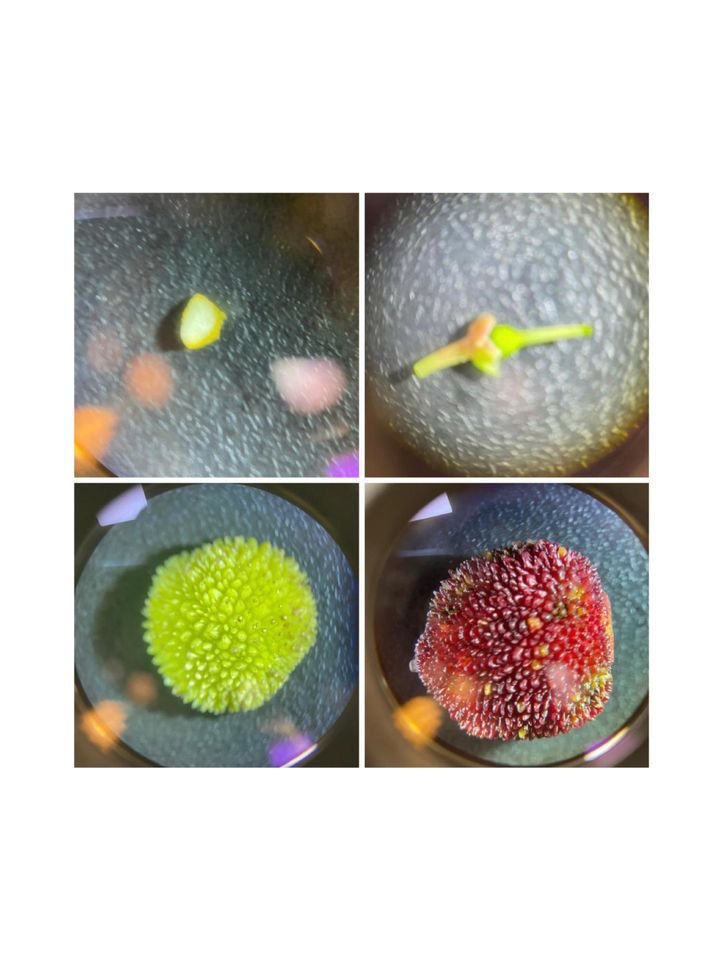
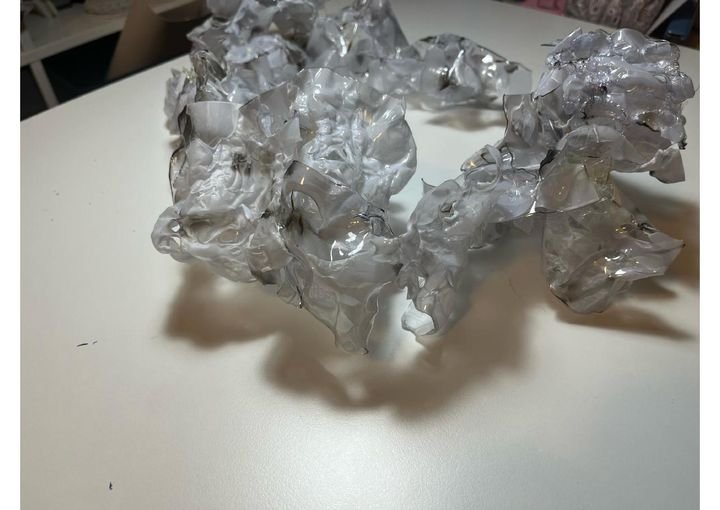
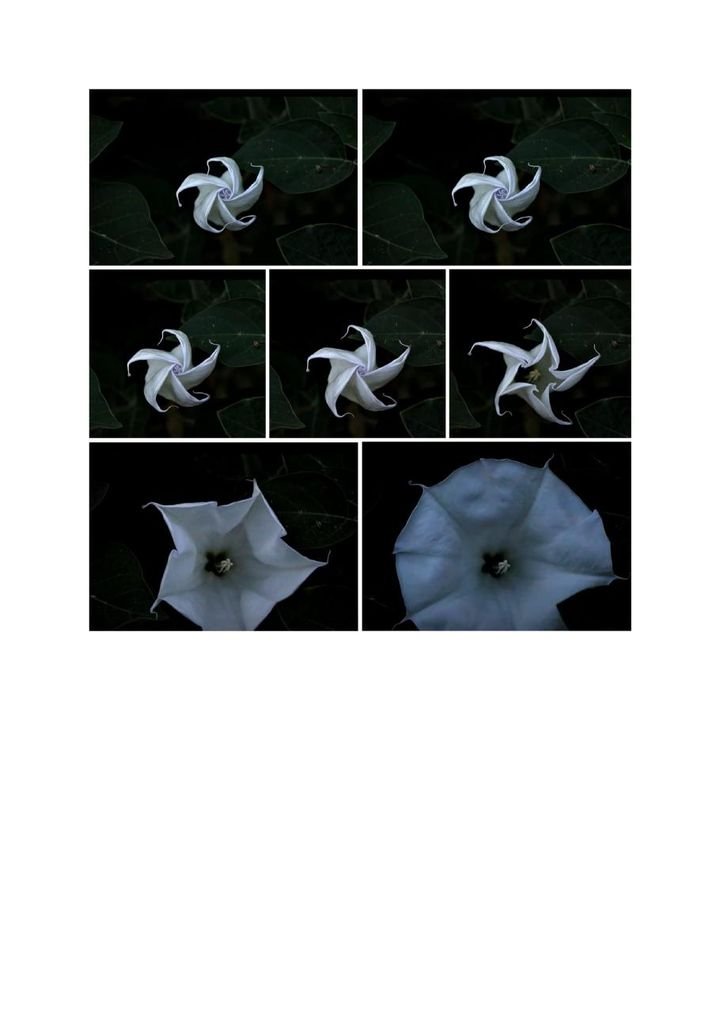
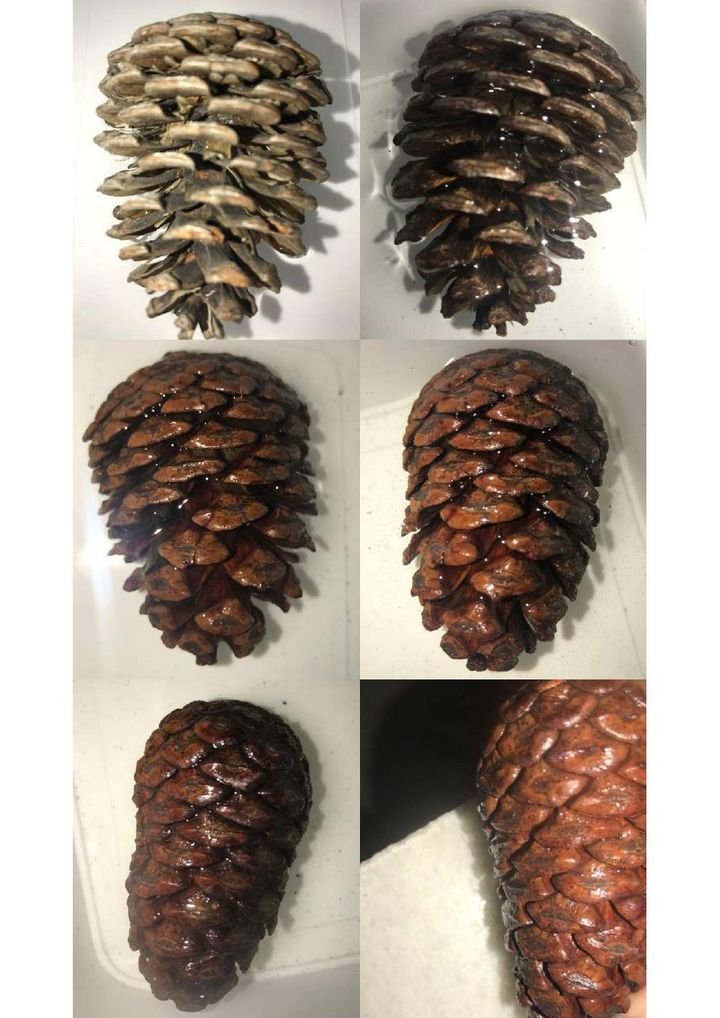
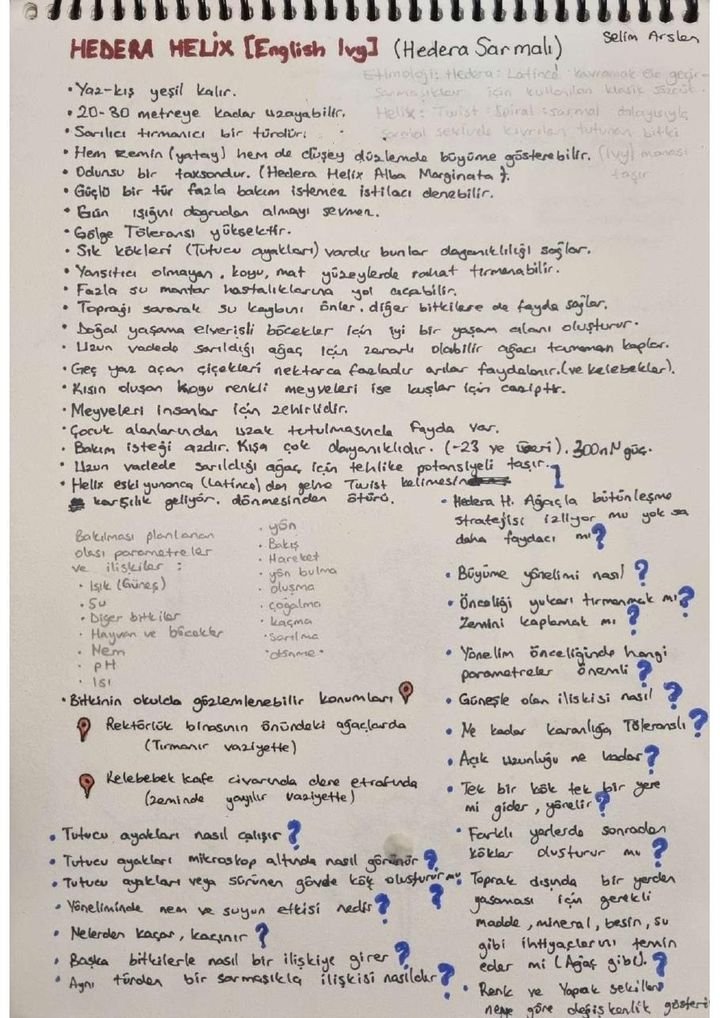
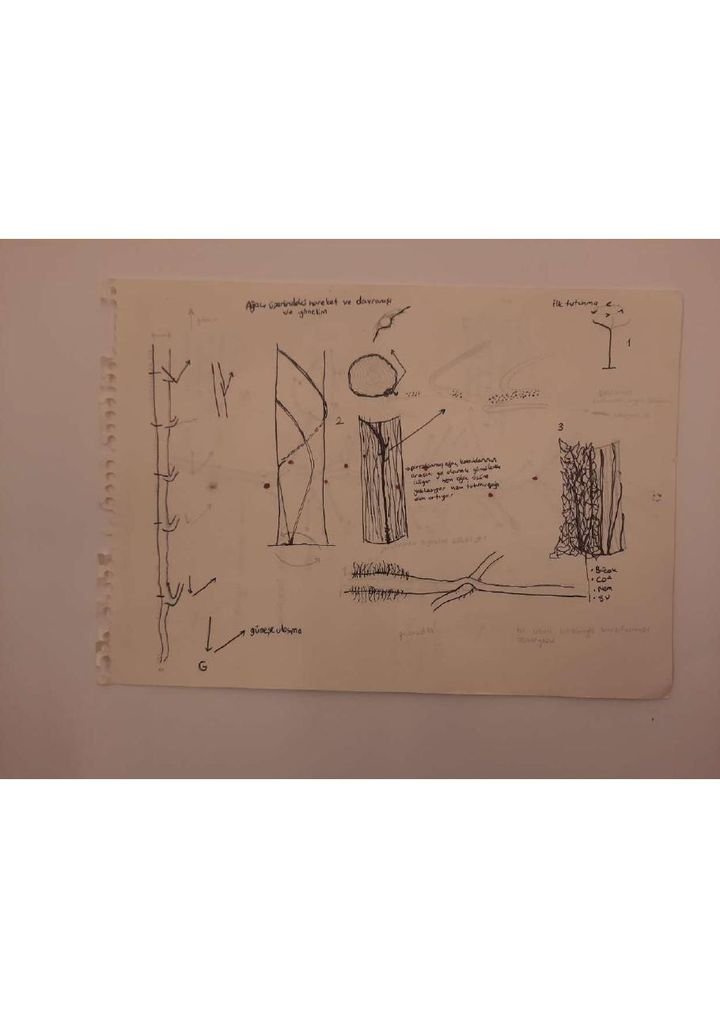
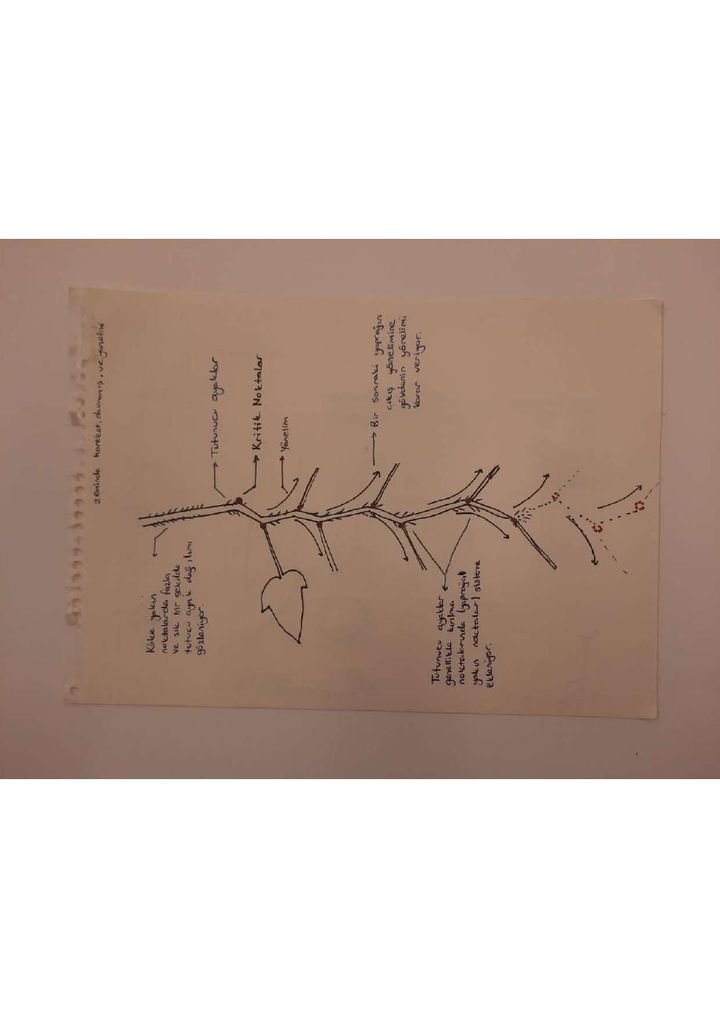
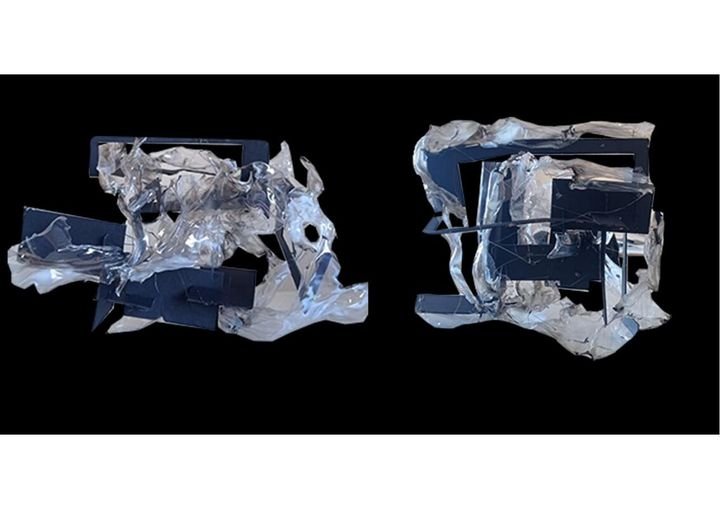
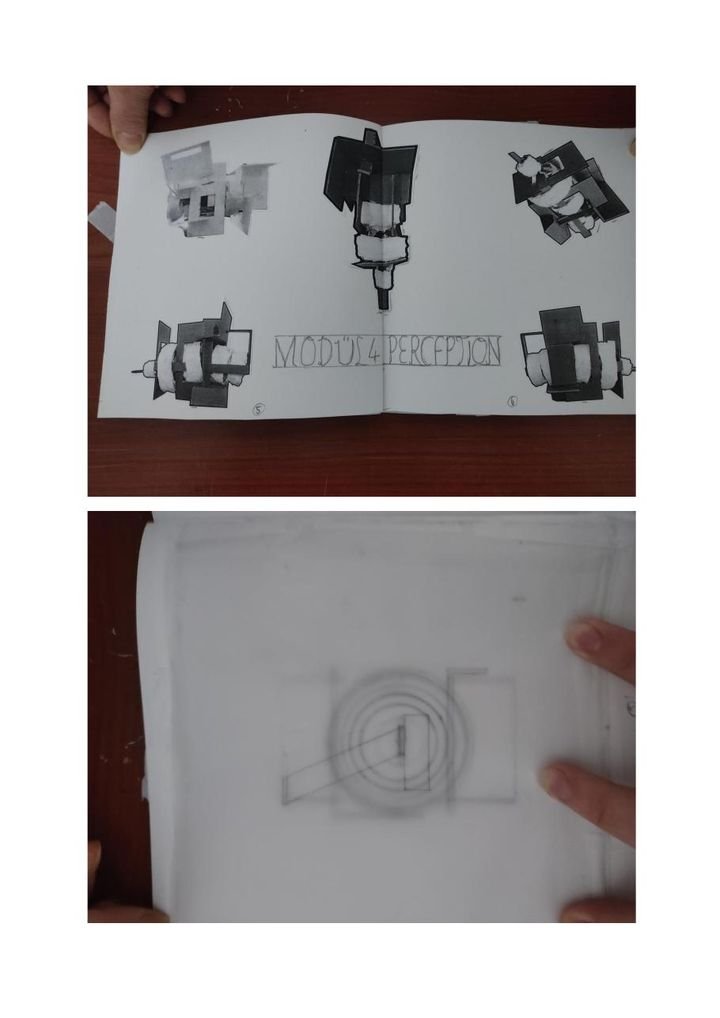
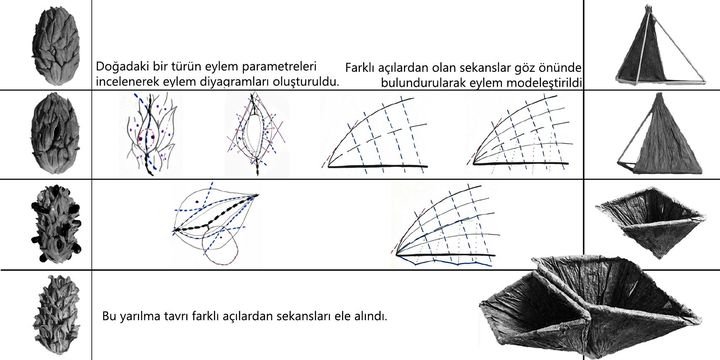
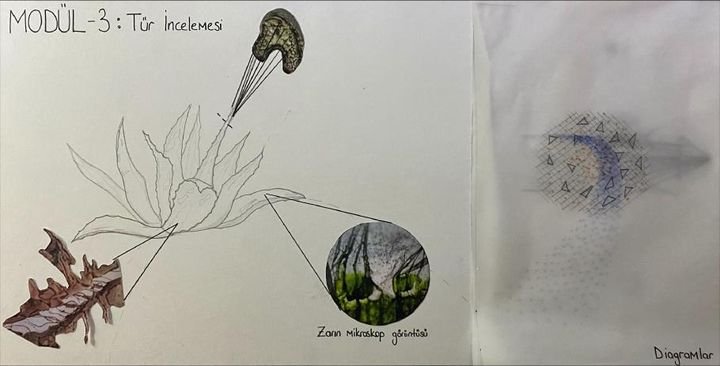
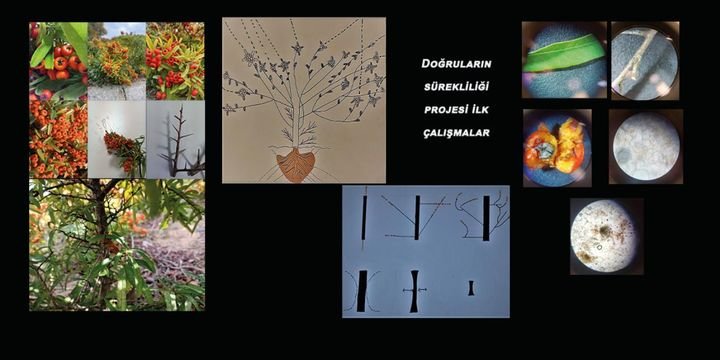
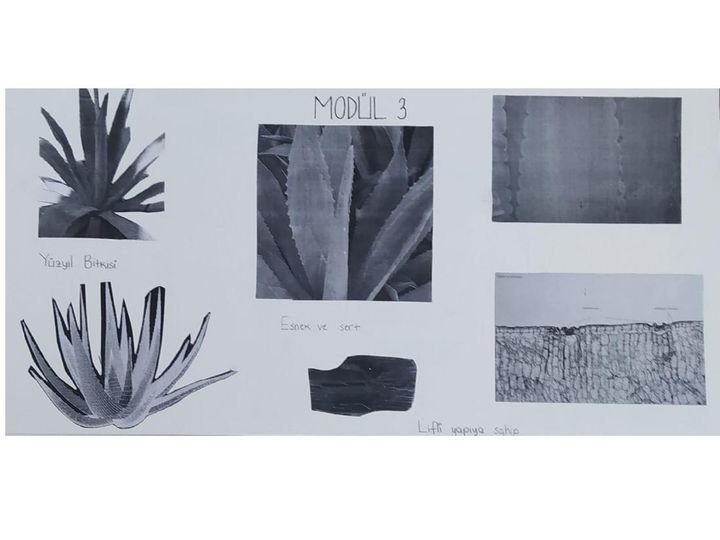
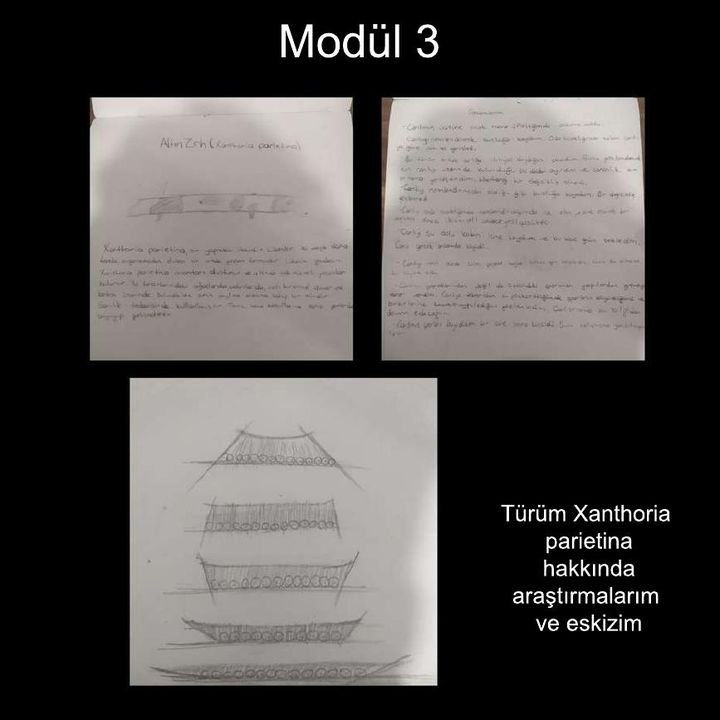
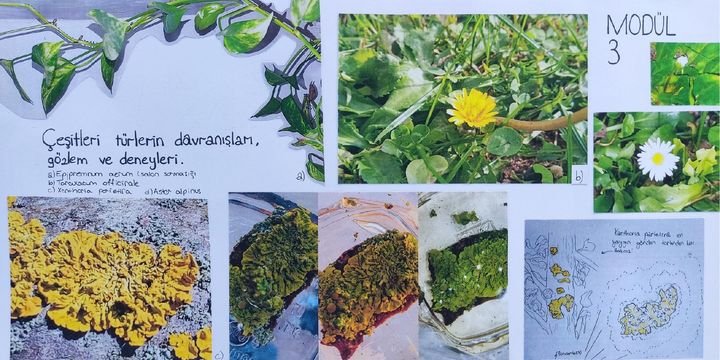
production fluid surface: documenting the action parameters (gaze, movement, orientation, formation, reproduction) of a species from nature; then constructing these actions with biomaterial as a “parasite” of the previous module
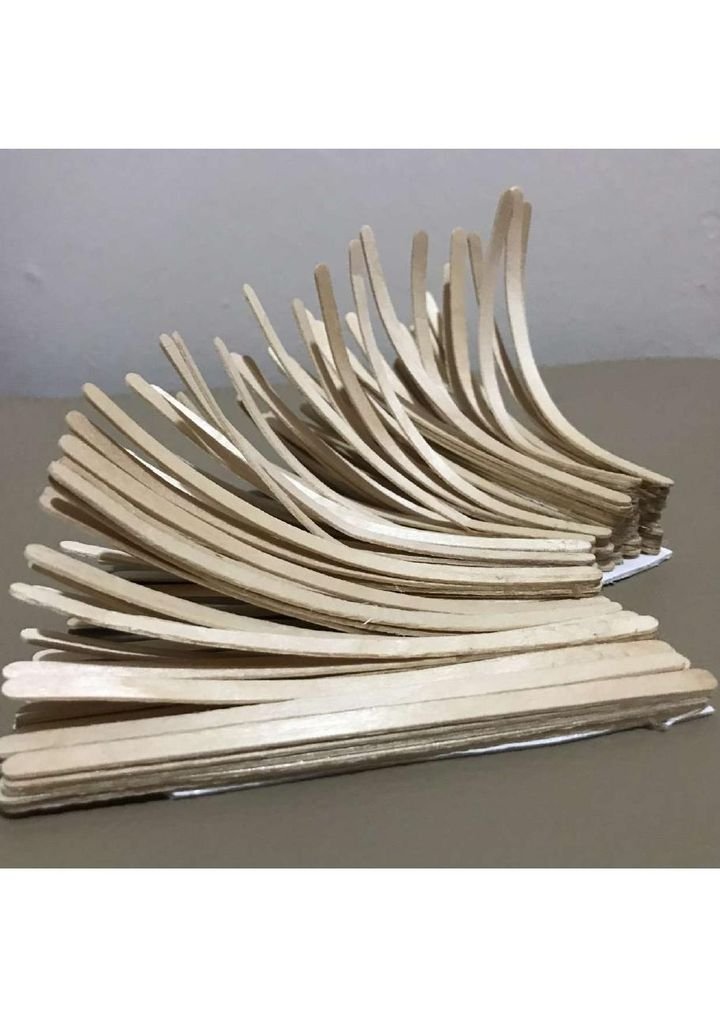
materials and techniques carving, sequential cutting, segmented joints, sewing, moulding, injection; record sheet, tectonic model, inter-phase illustration and GIF, phase grid, fragmented collage
-
Module 4 · weeks 9–15
Situation space — Micro Hub
concepts fractals and patterns, material tectonics, poetics of action and space, natural and built environment, collective production
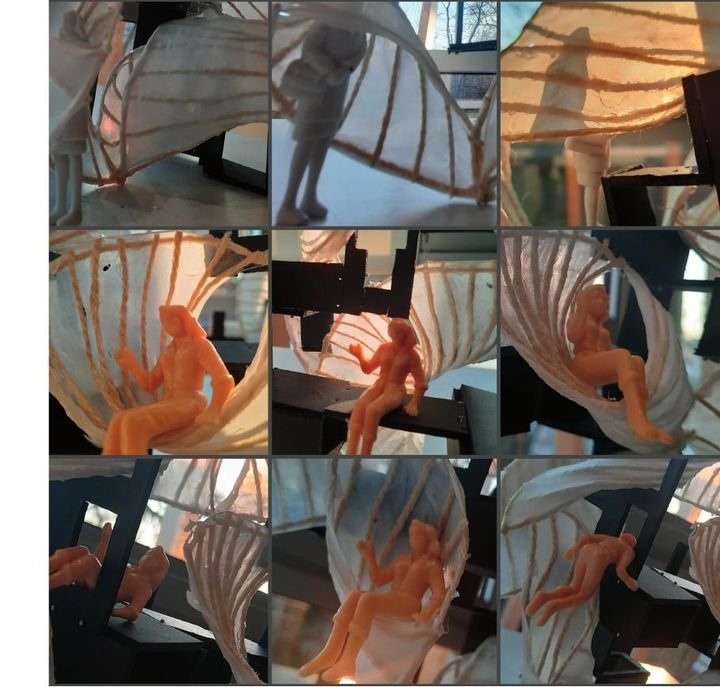
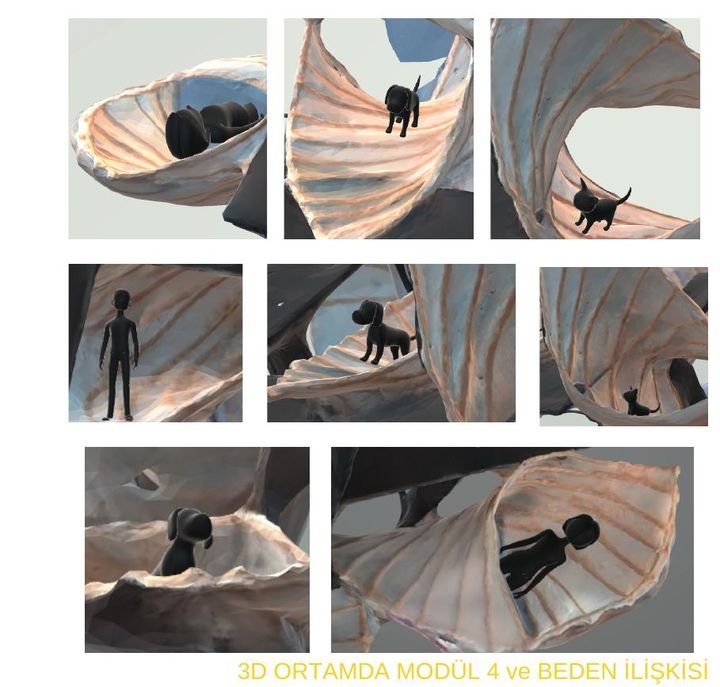
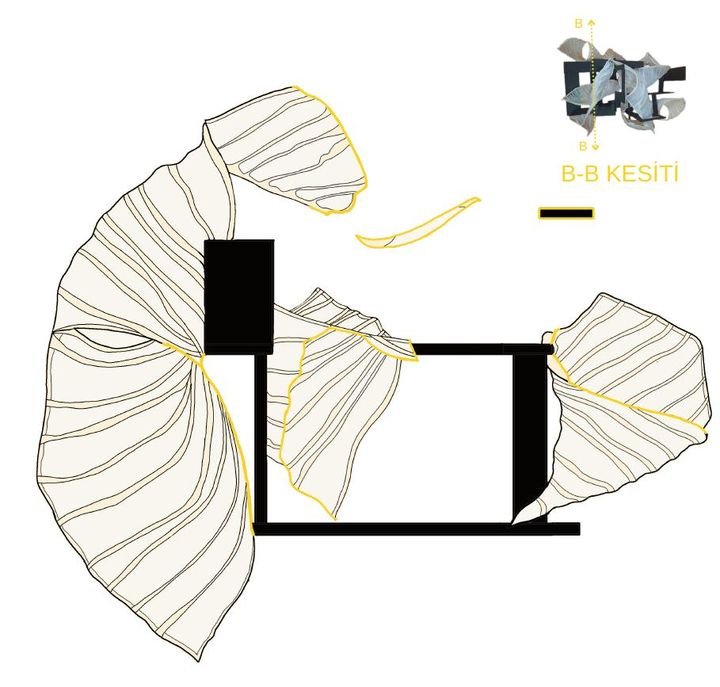
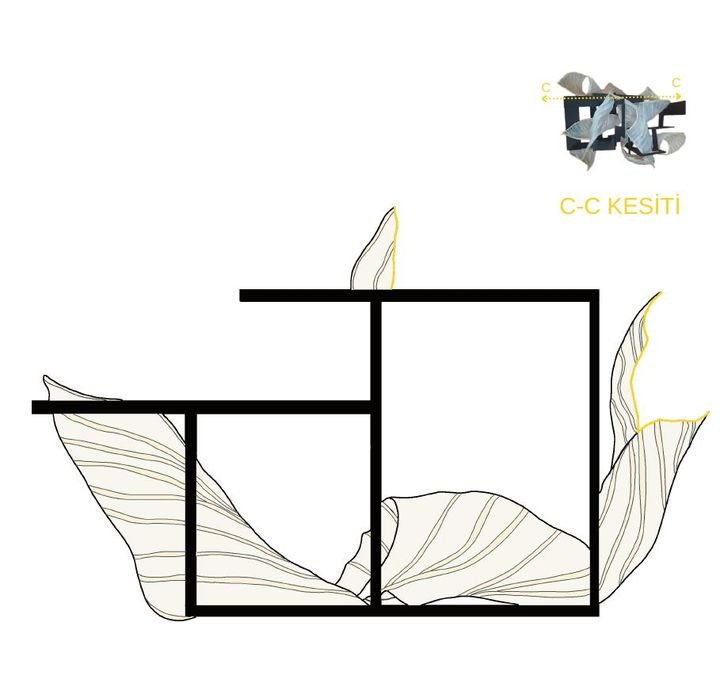
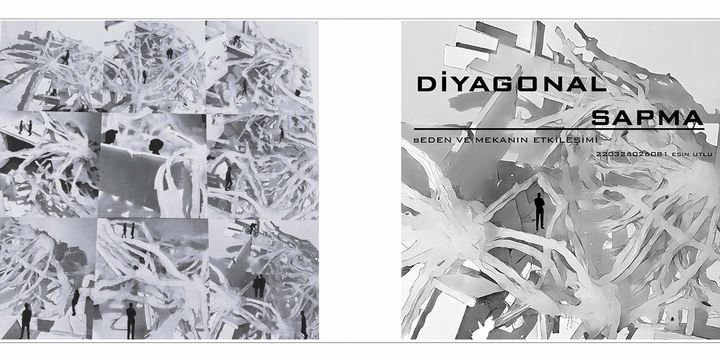
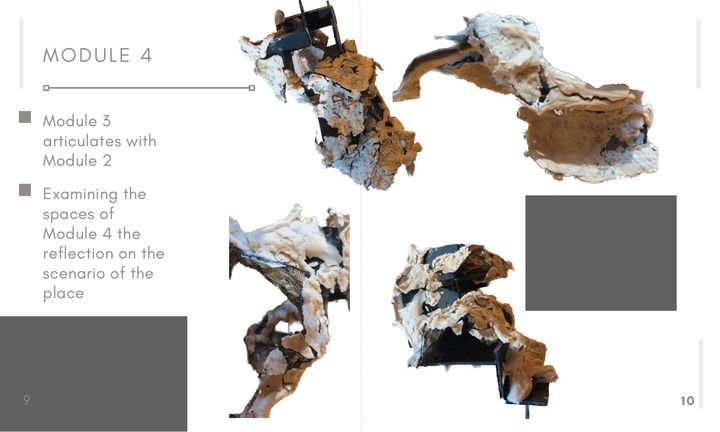
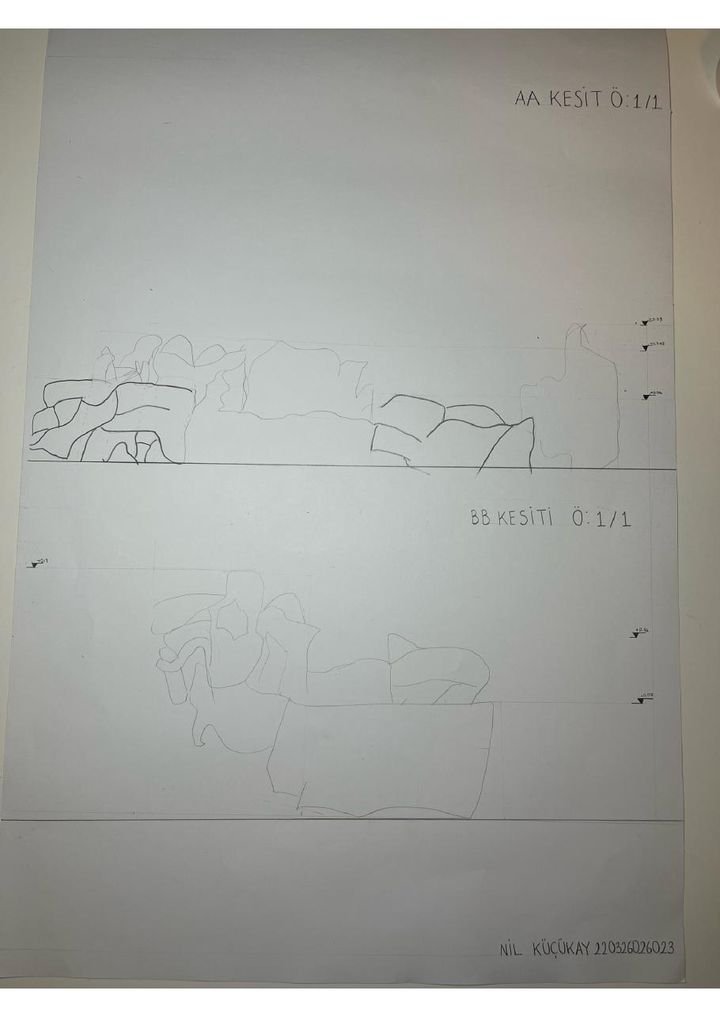
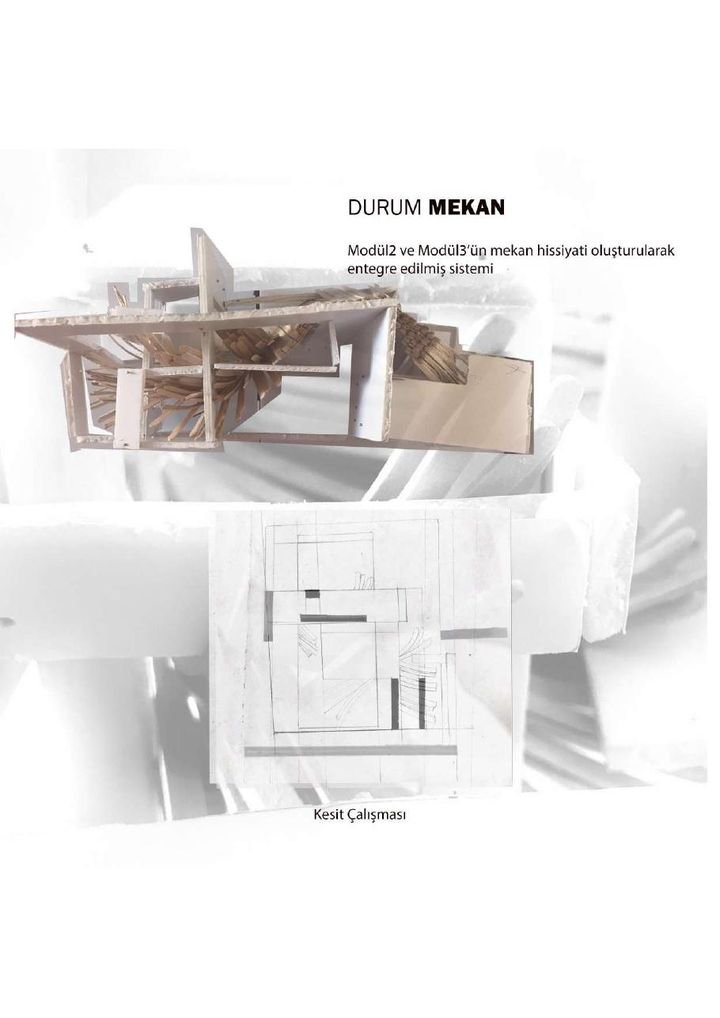
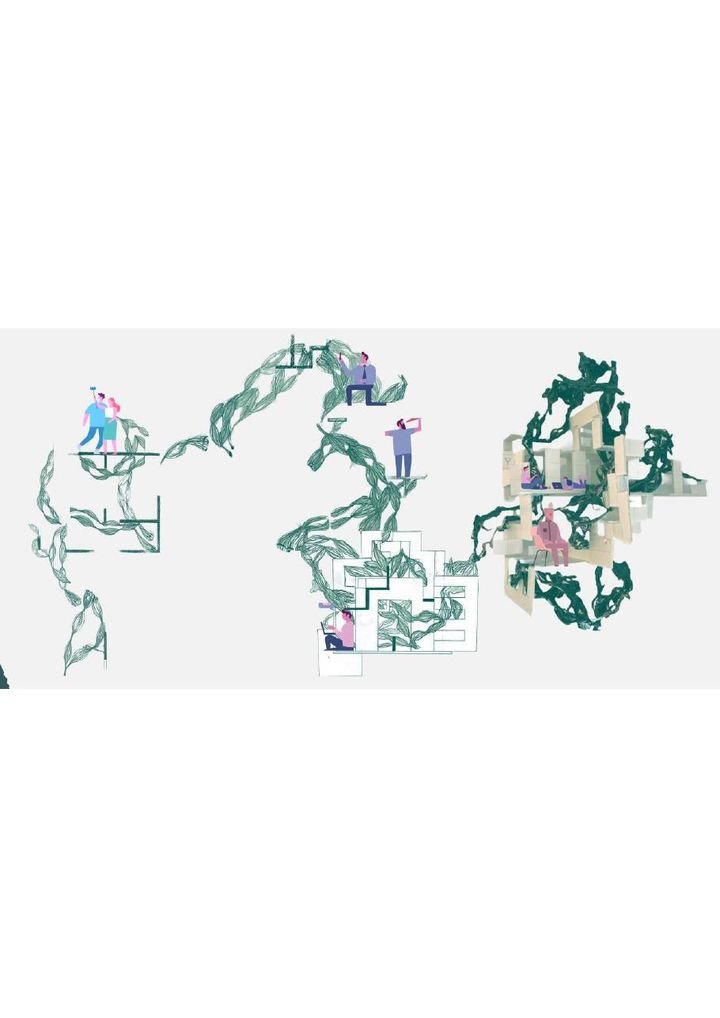
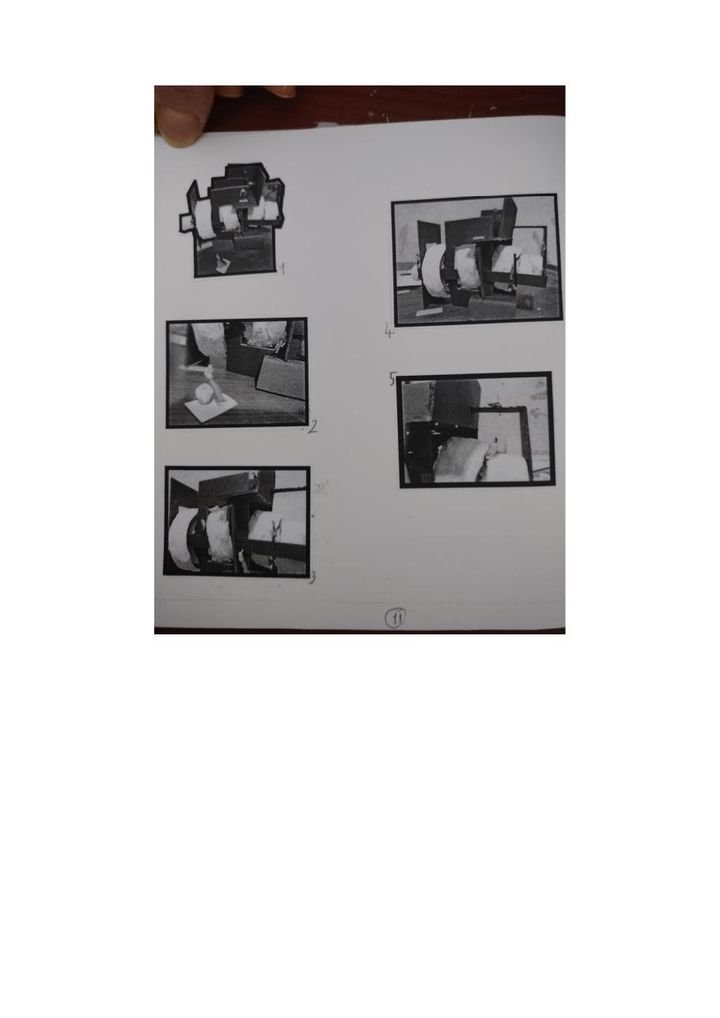
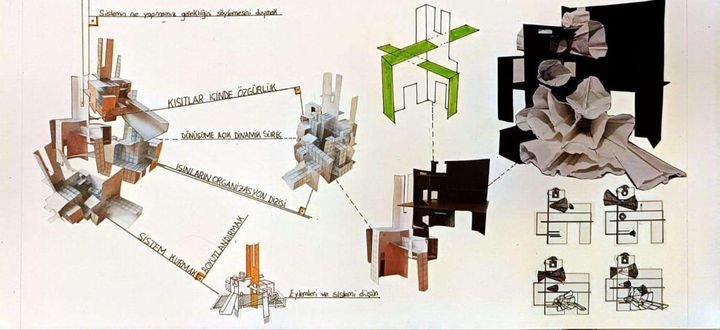
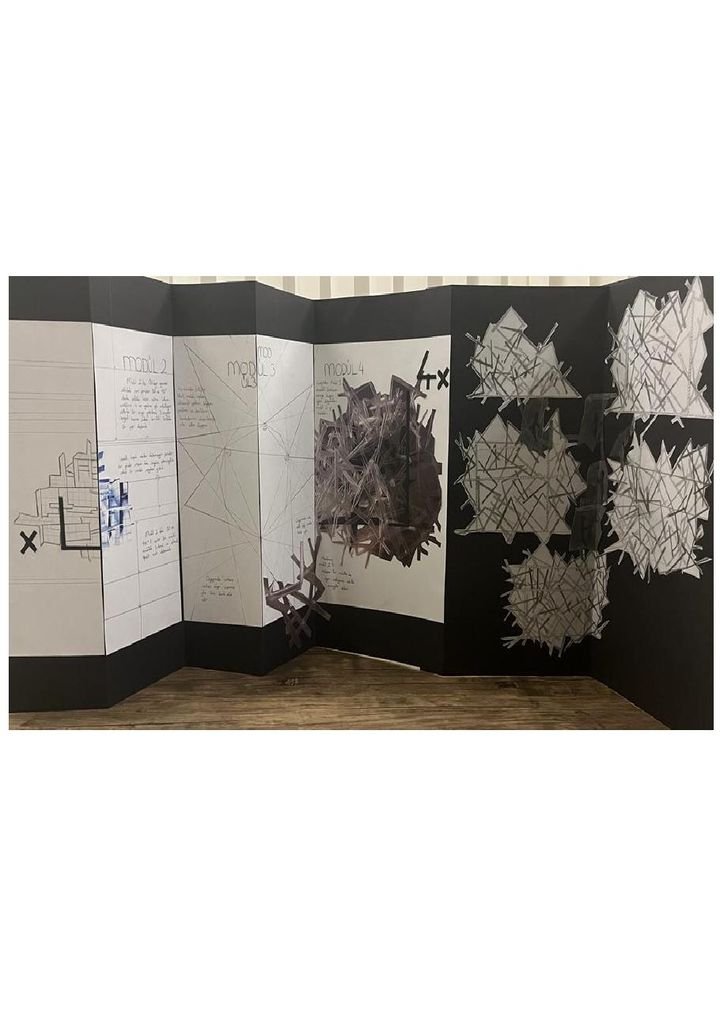
production body–action–structure: the problem of “place” on a fictional or virtual plane; building a story together with the species studied for the fluid hub, and constructing and documenting the story’s scale and its relationship with place
materials and techniques collage of story fragments, narration resembling a social media feed, booklet
readings Matyas Gutai, Trans Structures (2014) · Giovanni Corbellini, Bioreboot · Venice Biennale, “Cloud Pavilion”
throughout the semester
- 18 October 2022 — cross-trip 1: 17th Istanbul Biennial, Beyoğlu
- 21 October 2022 — submission and open critique 1 (Module 2) — jury: Betül Ozar, Dilara Yiğit
- 25 October 2022 — cross-talk 1, İPA: Esin Avcı and Dilara Yiğit
- 15 November 2022 — cross-talk 2, İPA: Büşra Ağaç and Betül Ozar
- 18 November 2022 — submission and open critique 2 (Module 3) — jury: Betül Ozar, Esin Avcı, Dilara Yiğit
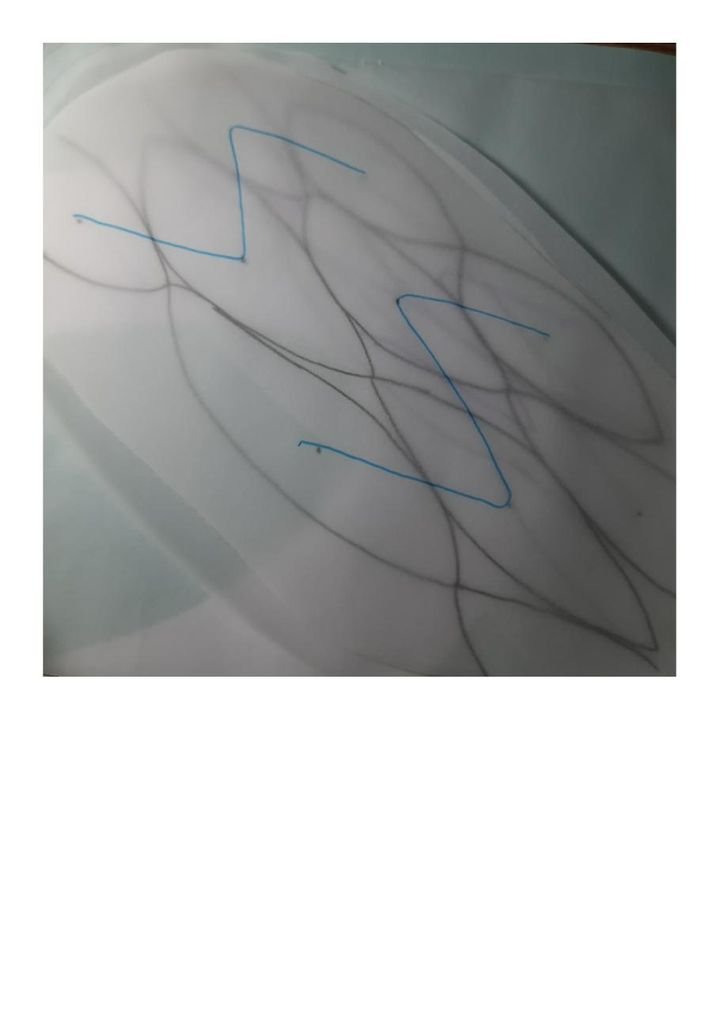
- 29 November 2022 — sketch exam (joint AD1–AD2, open workshop): “states of pausing as a way of interacting with space”
- 2 December 2022 — cross-trip 2: Gazhane Istanbul
- 3 January 2023 — final colloquium, GTU campus — jury: Sercan Apaydın, Betül Ozar, Esin Avcı, Dilara Yiğit, Merve Köklü
students 25
Ahmet Enes Dede, Asiltürk Ata Aslan, Ayşe Pınar Akan, Beste Yabar, Betül Serra Dursun, Büşra Kaya, Cansu Savaşkan, Ceyda Yolcu, Ertuğrul Öztel, Esin Utlu, İlhami Orhan, İmge Akkaya, Jasmin Rehan Sağlam, Lorin Genç, Melike Nisa Baykurt, Neslihan Şen, Nidanur Bozkurt, Nil Küçükay, Nilay Özkan, Nurseda Ünal, Pelin Sıla Yüksel, Selim Arslan, Şahin Tütüncü, Ülkü Yiğit and Yiğit Çağan Çalışkan